
OPINION
Etna's fire: what the world sees when Sicily burns
Editorial Board234 wordsEdition №33Thursday, 2 July 2026 — Edition № 33
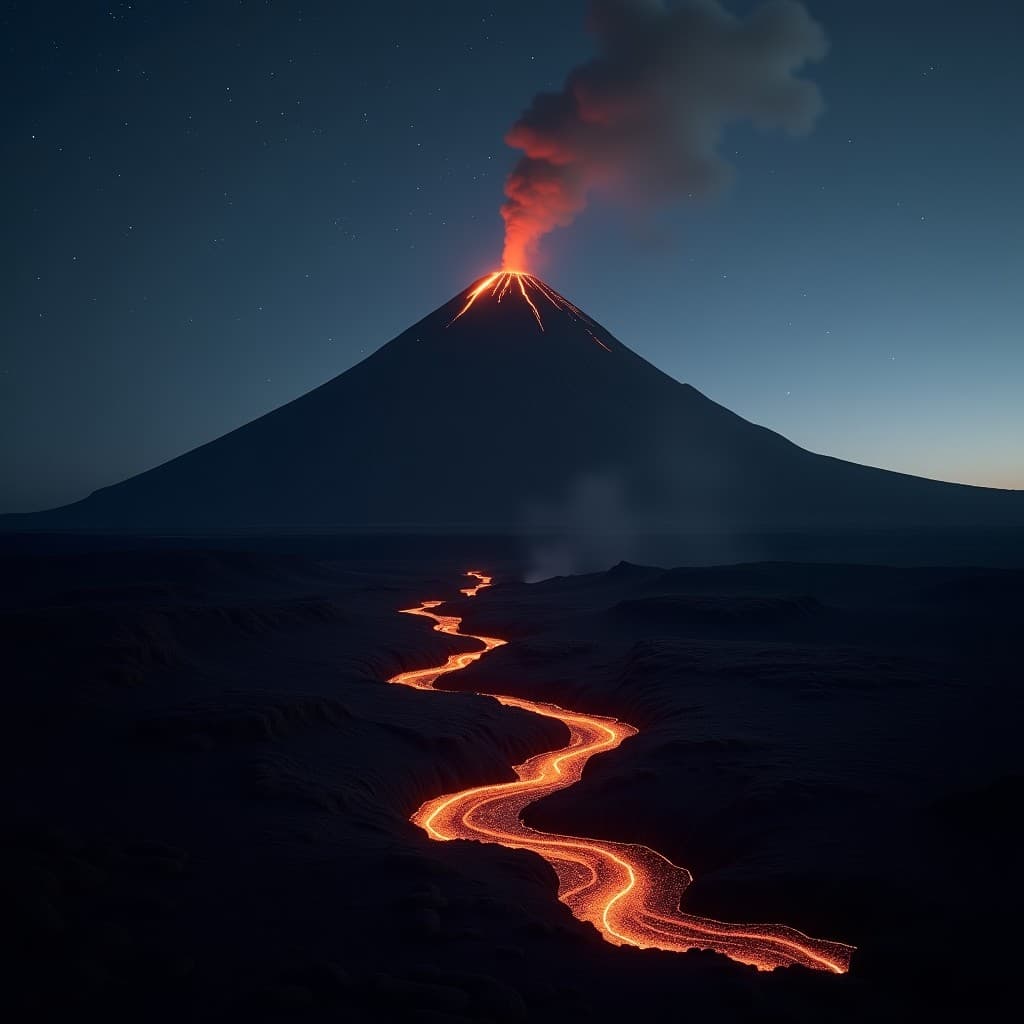
The Guardian's drone footage and the BBC's bright orange rivers of lava have made Mount Etna's late-June eruption a global spectacle. Lava gushing from vents at 3,000 metres, lava snaking down the mountain's slopes—these are the images that travel. The National Institute of Geophysics and Volcanology has the data; the world has the drama. And there is something true in that split: Etna is Europe's biggest active volcano, and it erupts often enough that the world has learned to watch it with a mixture of awe and detachment.
What the foreign press captures well is the sheer scale and frequency of the thing. What it cannot quite convey from a distance is the ordinary coexistence. Sicilians live on the slopes of a mountain that regularly reminds them of its power. Crops grow in soil made rich by ancient lava. Towns cluster at altitudes where the risk is real but the fertility is undeniable. The eruption is news abroad; at home, it is part of the rhythm.
The world's gaze on Etna also raises a question about Italy's relationship with its own drama. A volcano erupts and becomes content—striking, shareable, briefly urgent. But the deeper story, about how a region adapts to living with geological volatility, about infrastructure and evacuation planning and the long work of coexistence, rarely travels as far as the lava itself. The fire is what photographs. The resilience is what stays.