
CULTURE
Sealed Etruscan tomb yields secrets of seven-century B.C. life
Discovery near Rome in central Italy reveals 100+ grave goods and four burials in rare intact chamber
Niccolò Mariani447 wordsEdition №18Wednesday, 17 June 2026 — Edition № 18
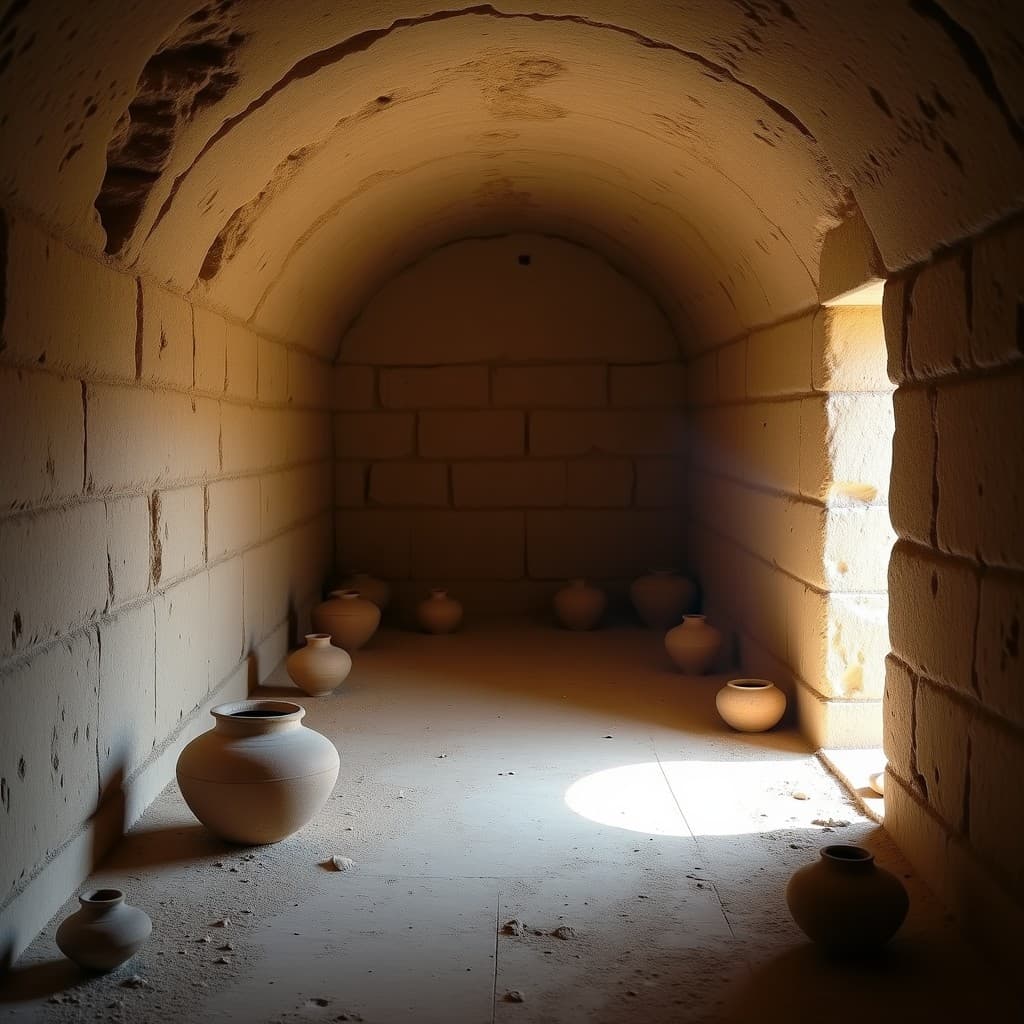
A team of archaeologists working on the San Giuliano Archaeological Research Project opened a sealed Etruscan chamber tomb this year at San Giuliano, located about 43 miles northwest of Rome in the hilly region of central Italy. The discovery contained four burials and more than 100 grave goods—pottery, ornaments, weapons and household objects—preserved intact for nearly 2,600 years. According to Yahoo News, which reported on the find, the team described it as one of the most significant Etruscan discoveries in recent decades.
The San Giuliano site sits in the territory between Rome and Umbria, a region where Etruscan settlement was dense and their influence on Roman civilization profound. Such sealed tombs are rare; most Etruscan burial chambers have been disturbed or looted over centuries, making the intact context of this chamber an unusual opportunity to study how the Etruscan elite lived, what they valued, and how they prepared the dead for the afterlife. The grave goods themselves—their materials, craftsmanship and arrangement—offer archaeologists direct evidence of trade networks, artistic practice and social hierarchy in pre-Roman Italy.
The find arrives at a moment when inland central Italy, including Umbria, has become a focal point for international interest in archaeological heritage and its relationship to tourism. The region's hill towns and archaeological sites draw visitors seeking connection to ancient and medieval history, yet the pressure of that tourism on fragile communities remains contested. This discovery, grounded in careful excavation rather than the disruption of looting, illustrates what careful stewardship of buried heritage can reveal.
The Etruscan civilization, which flourished in central Italy from roughly the eighth to the first century B.C., left behind a material culture that shaped early Rome. Etruscan metalwork, religious practices, architectural forms and social structures influenced Roman development profoundly, yet much of what we know of them comes from tomb contexts—the objects buried with the dead. A fully sealed chamber, undisturbed by grave robbers or agricultural work, is therefore invaluable to archaeologists seeking to understand daily life, belief and economy in the pre-Roman world.
The discovery also underscores the archaeological richness of central Italy beyond the famous sites. While Rome itself, Pompeii and the Uffizi Gallery in Florence dominate international cultural tourism, the interior regions—Umbria, Lazio, Tuscany—hold layers of history that foreign archaeologists and heritage institutions continue to investigate. For communities in these regions, such finds can become a point of pride and economic interest, drawing scholarly attention and cultural tourism. Yet, as the BBC reported earlier this month, some World Heritage sites in fragile regions have begun to question whether international designation brings genuine benefit or instead strains local resources and changes the character of place.