
LIGURIA
EU biometric border checks threaten summer ferry chaos at Italian ports
European ferry operators warn EES system will clog Riviera access as tourism season peaks, raising pressure on Genoa and coastal gateways.
Marina Doria456 wordsEdition №13Friday, 12 June 2026 — Edition № 13
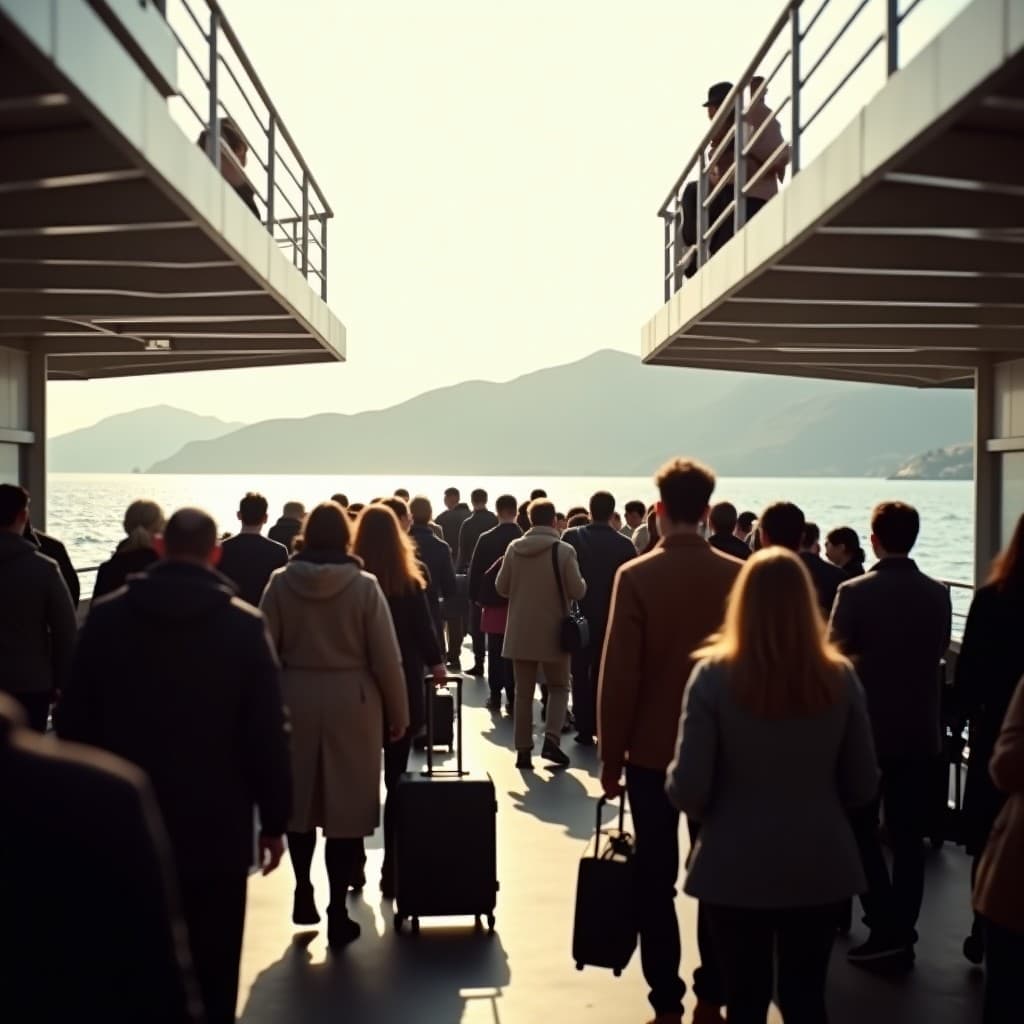
European ferry ports have warned that the EU's new Entry-Exit System (EES), which requires biometric data collection for non-EU travellers, will create severe congestion at maritime borders this summer, according to The Local Italy. The system, designed to tighten border security, demands the capture of fingerprints and facial images for every third-country national entering the EU—a process that adds minutes per passenger and compounds during peak tourism season.
For Italy's Riviera ports, which funnel cruise passengers and ferry travellers into Liguria's coastal towns and onward into Tuscany and beyond, the EES represents a critical chokepoint. Genoa's passenger terminals and smaller ports along the coast handle seasonal surges of ferry traffic; adding mandatory biometric processing to each arrival threatens to create queues that deter time-sensitive travellers and damage the experience that draws them to the Mediterranean in the first place.
Global tourism chiefs have reinforced the warning. According to The Local Italy, tourism leaders say travellers from around the world are already being deterred by the prospect of long border delays at European entry points. For Liguria, which competes with other Mediterranean destinations for cruise and leisure traffic, the EES rollout arrives at a moment when the region's tourism recovery remains fragile.
The Italian government has faced pressure to clarify its position on EES implementation. The Local Italy reported that Italy has not formally committed to suspending the system over summer, despite calls from ferry operators and tourism authorities. Rome's stance remains unclear, leaving port operators and cruise lines without definitive guidance as summer bookings accelerate.
The mechanics of the bottleneck are straightforward: a ferry carrying 1,000 passengers, each requiring 30–60 seconds of biometric processing, creates a 500–1,000 minute processing window before passengers can disembark and clear the port. Multiply that across multiple daily arrivals at Genoa's cruise terminals and the Riviera's smaller passenger ports, and the cumulative delay becomes operationally unmanageable. Port authorities must either expand processing infrastructure at enormous cost or accept that vessels will sit idle at berth, a commercial loss that shipping operators will pass to passengers through higher fares.
The timing compounds the pressure. Italy's tourism sector, already challenged by overtourism in Venice and Florence, is banking on Riviera and Cinque Terre capacity to absorb summer demand. Delays at entry ports undermine that strategy and risk pushing leisure travellers toward competing Mediterranean destinations—Greece, Croatia, Spain—where EES implementation may be smoother or where governments have negotiated exemptions or phased rollouts.
For Genoa's port authority and the broader Ligurian tourism economy, the EES crisis is a test of whether Italian infrastructure can absorb EU-mandated security measures without sacrificing the speed and convenience that define competitive advantage in leisure travel. The answer will shape summer revenues and, by extension, employment in Liguria's hospitality and logistics sectors.