
LAZIO
Brussels set to rebuke Italy's fuel duty cuts
EU Commission criticises Rome's energy relief as fiscally misaligned; Rome seeks flexibility on excise taxes
Davide Ruspoli1,247 wordsEdition №3Wednesday, 3 June 2026 — Edition № 3
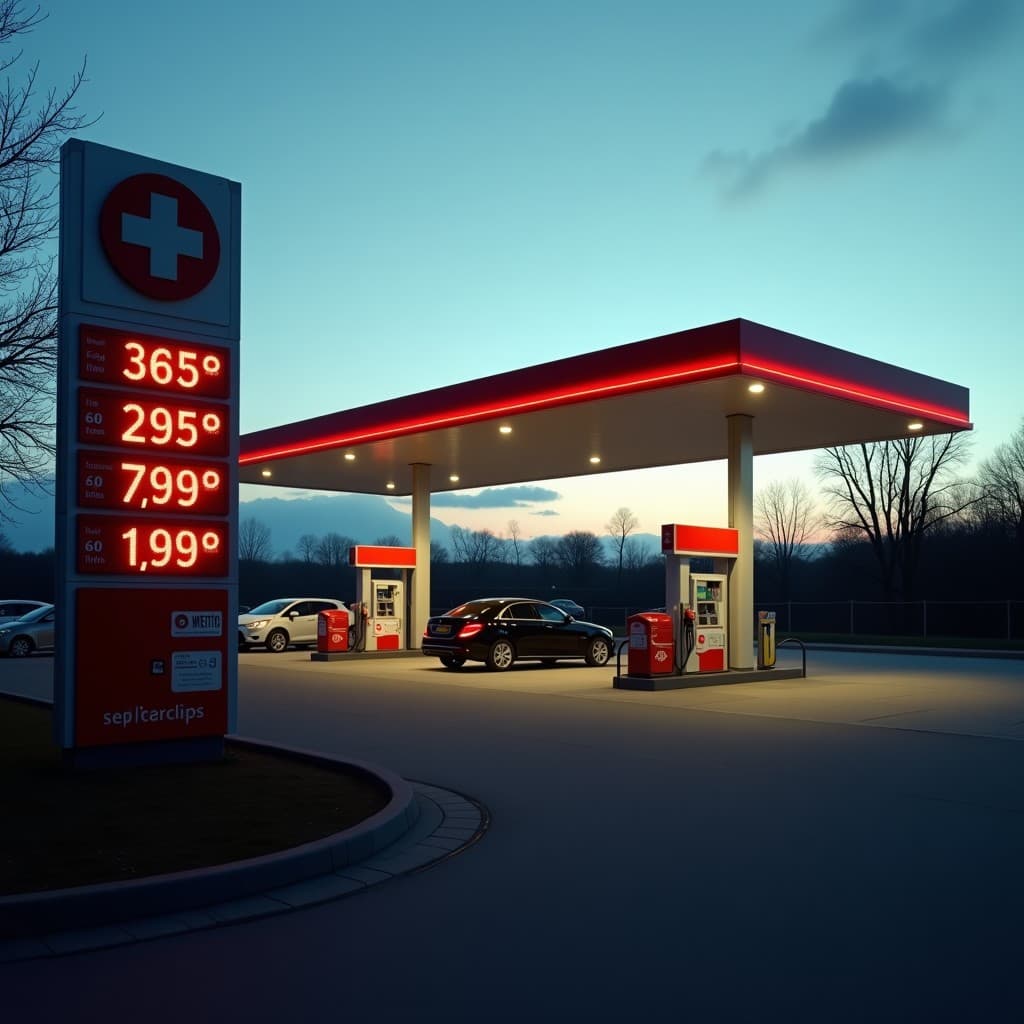
The European Commission is set to publish a report this week criticising Italy's decision to cut excise duties on fuel, according to Euronews. Rome has sought greater fiscal flexibility to manage the energy crisis, but Brussels contends that such relief should be targeted at vulnerable families and industries rather than applied broadly across fuel prices.
The dispute reflects a wider tension between Rome and the Commission over how member states should respond to energy shocks. Italy's government has argued that fuel duty reductions ease pressure on households and businesses facing elevated energy costs. The Commission's forthcoming rebuke signals that Brussels views the approach as economically inefficient and potentially inconsistent with EU fiscal guidelines.
The timing of the Commission's criticism coincides with broader scrutiny of Italian fiscal policy. Rome's public debt remains among the highest in the eurozone, and Brussels has long monitored how the Italian government deploys tax relief and spending measures. A fuel duty cut, which reduces government revenue, sits uneasily with the Commission's expectations for fiscal consolidation.
The European Commission's forthcoming report represents a formal institutional objection to a policy choice made by the Italian government in response to energy market conditions. Euronews reported that the Commission will argue Rome should have directed relief specifically toward households and sectors most vulnerable to energy price spikes, rather than implementing a blanket reduction in excise duties that benefits all fuel consumers regardless of need.
Italy's energy crisis has been acute. The country imports most of its natural gas and remains exposed to international price volatility. When energy costs spiked in recent years, the Italian government responded with a series of measures, including temporary reductions in fuel excise taxes. These cuts lower the price of petrol and diesel at the pump, providing immediate relief to drivers and transport operators.
From the perspective of Rome, such measures are economically necessary and politically defensible. Fuel price shocks ripple through the economy: transport costs rise, goods become more expensive to move, and households with limited incomes face acute hardship. A fuel duty cut is blunt but direct. It reaches consumers immediately and requires no complex means-testing or administrative apparatus.
Brussels, however, applies a different logic. The Commission emphasises fiscal sustainability and targeted relief. A blanket fuel duty cut reduces government revenue without distinguishing between those who need help and those who do not. A wealthy household that drives a large car benefits as much as a low-income family dependent on a vehicle for work. From Brussels's perspective, the same fiscal cost could have been deployed more efficiently—through direct cash transfers to vulnerable households, for example, or targeted support for industries most exposed to energy costs.
The Commission's position also reflects concern about fiscal discipline across the eurozone. Italy's public debt stands at roughly 140 percent of gross domestic product, among the highest in the EU. Every reduction in government revenue is scrutinised by Brussels as a potential threat to long-term fiscal sustainability. The Commission has repeatedly urged Italy to consolidate its finances and reduce the debt burden. A fuel duty cut, even if temporary, moves in the opposite direction.
The dispute also touches on the broader question of how much fiscal autonomy member states retain within the EU framework. Italy has periodically sought greater flexibility to respond to national crises—energy shocks, migration pressures, economic downturns. Brussels typically resists, arguing that fiscal rules exist to protect the stability of the eurozone as a whole. When one large member state pursues expansionary fiscal policy, it can affect borrowing costs and inflation across the currency union.
For Lazio and Rome specifically, the stakes are institutional and symbolic. The capital is the seat of government, and fuel price relief affects the city's transport operators, delivery services, and households. Rome's public transport system, run by the municipal authority, faces pressure when fuel costs rise. Bus operators and taxi services feel the impact directly. A fuel duty cut provides some relief to these sectors, even if Brussels deems the approach inefficient.
The Commission's report, when published, will likely recommend that Italy redirect such relief toward more targeted measures. Brussels may also use the occasion to reiterate its broader fiscal concerns about Italian government spending. The report will be framed as technical guidance, but it carries political weight: it signals to Italian voters and policymakers that Rome's fiscal choices are subject to external scrutiny and that Brussels retains the authority to judge whether those choices align with EU rules.
Italy's government has historically resisted such criticism, arguing that national governments must retain the capacity to respond to crises affecting their citizens. The fuel duty dispute is unlikely to escalate into a major confrontation—Rome is unlikely to reverse the cuts, and Brussels is unlikely to impose formal sanctions over a temporary measure. But it illustrates the persistent tension between national fiscal autonomy and supranational fiscal oversight that defines EU governance.
The energy crisis that prompted Italy's fuel duty cuts has eased somewhat from its peak, but energy prices remain volatile. International supply disruptions, geopolitical tensions, and the transition to renewable energy all create uncertainty. Italy's government may argue that maintaining some fiscal flexibility to respond to future shocks is prudent. Brussels will counter that fiscal rules exist precisely to prevent ad hoc responses that undermine long-term sustainability.
The Commission's report will also be read in the context of Italy's broader relationship with the EU. Rome has periodically clashed with Brussels over fiscal policy, migration, judicial independence, and other matters. Each dispute chips away at the political capital Rome needs to negotiate on other fronts. A rebuke over fuel duty cuts, while not catastrophic, adds to the accumulated friction.
From a regional perspective, Lazio's economy is heavily dependent on government spending and services. The capital hosts the Italian state apparatus, the Vatican, and major tourism and cultural sectors. Fuel price relief, however modest, affects the cost of doing business in the region. A government forced to reverse such measures under EU pressure might face domestic political backlash, particularly in a region where the state is the largest employer and most visible institution.