
PUGLIA
Brussels set to rebuke Italy's fuel duty cuts amid energy crisis
Commission criticises Rome's tax relief as misdirected; southern ports and transport face scrutiny
Francesca Lazzari1,247 wordsEdition №3Wednesday, 3 June 2026 — Edition № 3
The European Commission is set to publish a report on Wednesday criticising Italy's decision to cut excise duties on fuel, according to Euronews. Brussels argues that Rome's approach to the energy crisis — which has spiked fuel prices across the bloc — fails to direct relief toward the households and businesses most in need. The Commission has been pressing member states to use fiscal flexibility strategically, not as blanket reductions that benefit all consumers equally.
Italy has sought more room to manoeuvre on tax policy as energy costs have climbed, but the Commission views the fuel duty cuts as economically inefficient and fiscally unsound. The dispute reflects a broader tension within the EU over how governments should respond to energy shocks: targeted support for the vulnerable, or broad-based tax relief that stimulates demand but strains public budgets.
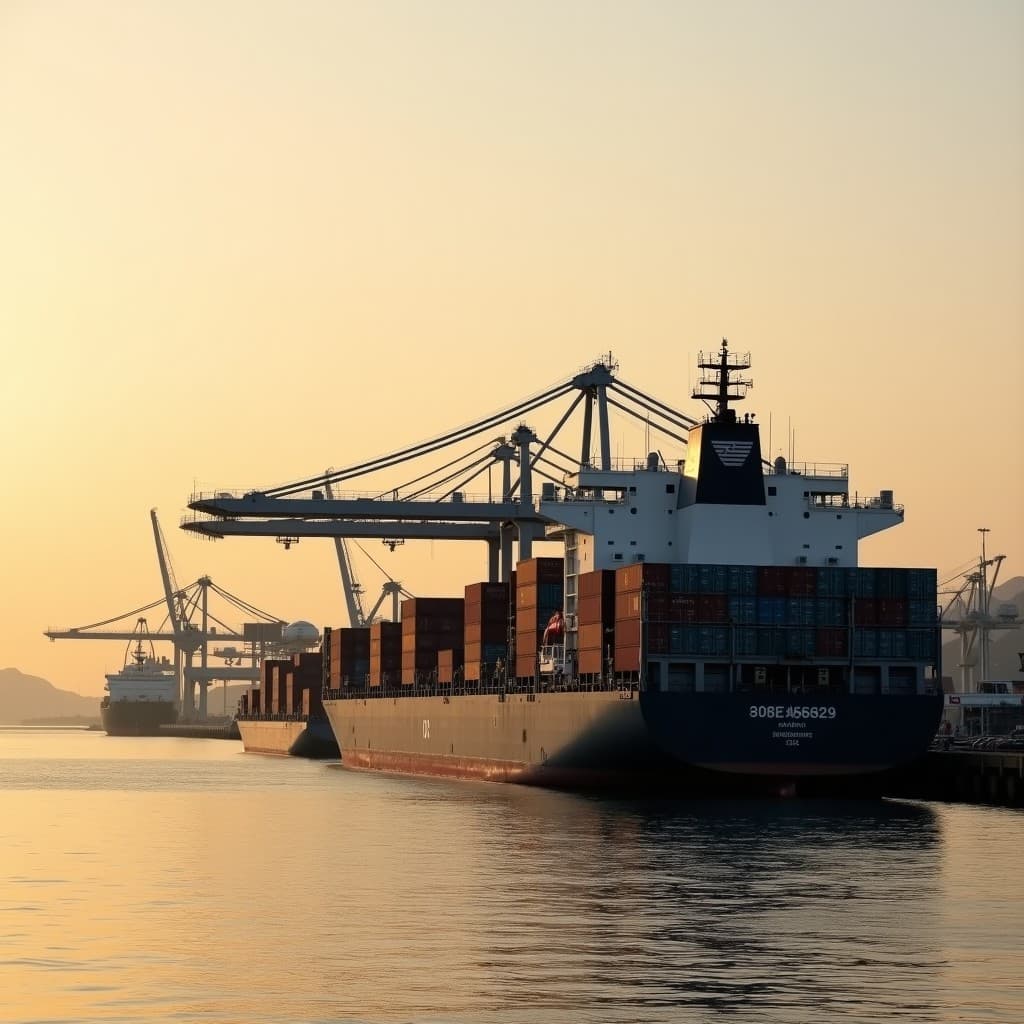
For Puglia, the outcome of this clash carries direct economic weight. The region's ports in Bari and Brindisi depend on fuel-intensive shipping and logistics; its agricultural sector — olive oil production, grain, wine — relies on transport networks where fuel costs feed into the final price. Taranto's steelworks, already operating under EU environmental scrutiny, faces rising energy bills that fuel duty cuts were meant to ease.
The Commission's expected rebuke comes as energy prices remain elevated across Europe. Euronews reported that Brussels deems the Italian government's fiscal response misaligned with EU priorities: rather than broad excise reductions, the Commission has advocated targeted support for low-income households and energy-intensive industries, measures that would preserve fiscal discipline while protecting those most exposed to price shocks.
Italy's fuel duty cuts represent a political choice to provide relief across the board — a move popular with voters and businesses but one that the Commission views as economically crude. By reducing the tax on all fuel consumption, Rome spreads the benefit thinly and forgoes the fiscal consolidation that Brussels expects of member states managing high public debt. Italy's debt-to-GDP ratio remains among the highest in the eurozone, a constraint that shapes EU scrutiny of Italian spending.
The regional dimension is acute in Puglia. The Adriatic ports of Bari and Brindisi handle container traffic, automotive shipments, and agricultural exports; fuel costs directly affect the competitiveness of goods shipped through these gateways. A fuel duty cut that lowers transport costs can help regional exporters, but only if it survives the Commission's challenge. If Brussels forces Rome to reverse the cuts, Puglia's logistics sector faces a sudden cost increase.
Agriculture in Puglia — the region produces roughly 40 per cent of Italy's olive oil and significant volumes of grain and wine — depends on mechanised harvesting and transport to mills and markets. Fuel prices cascade through the supply chain: higher diesel costs mean higher costs for tractors, harvesters, and trucks moving olives to pressing facilities and oil to ports. The fuel duty cut offered temporary relief; a reversal would reverse that relief.
The Taranto ILVA steelworks, which dominates the regional economy and has long been a flashpoint in EU environmental enforcement, is also energy-intensive. Steel production requires high-temperature furnaces and rolling mills; energy costs are a major component of operating expenses. The steelworks has faced repeated EU pressure on emissions and has undergone partial shutdowns and restructuring. Lower fuel costs help its balance sheet; higher costs add pressure to an already fragile operation that employs thousands in the region.
The Commission's position reflects a broader EU view that member states should use fiscal space to support the most vulnerable, not to subsidise consumption across the board. Targeted measures — cash transfers to low-income households, subsidies for energy-intensive industries like steel or chemicals — are seen as more efficient uses of public money. Blanket fuel duty cuts, by contrast, boost demand for fuel without necessarily helping those who need help most, and they cost the treasury more per euro of benefit delivered.
Italy's government has argued that energy prices are a shared European problem and that member states need flexibility to respond. Rome has pointed to the energy crisis triggered by global supply disruptions and geopolitical tensions, arguing that broad-based relief is justified in an emergency. The Commission's response is that emergencies require smart targeting, not indiscriminate cuts.
The timing of the Commission report — published on a Wednesday in early June — suggests the issue is live in Brussels. Euronews's coverage indicates the report will be critical, which means Italy may face pressure to modify or reverse the cuts, or to defend them in negotiations with the Commission. If the Commission formally objects, Italy could face infringement proceedings or pressure to adjust its fiscal plans.
For Puglia's economy, the stakes are material. The region's export-oriented sectors — olive oil, grain, wine, steel — all depend on competitive transport costs. A fuel duty cut that persists helps these sectors; a reversal hurts them. The regional government and business groups have an interest in Rome's negotiations with Brussels, though they have little direct voice in EU-level fiscal disputes.
The broader context is Italy's fiscal position. The country has a high public debt and is under EU scrutiny on budget discipline. The Commission's criticism of the fuel duty cuts is partly about energy policy and partly about fiscal consolidation: Brussels wants member states to show they are managing their budgets responsibly, not using crises as cover for tax cuts that expand deficits.
Historical precedent matters here. Italy has a long record of seeking flexibility from Brussels on fiscal rules, and the Commission has often been sceptical of Italian requests. The fuel duty dispute is one instance of a recurring pattern: Rome seeks room to manoeuvre; Brussels insists on discipline. The outcome of this clash will signal whether the Commission is willing to bend on fiscal rules in response to energy shocks, or whether it will hold the line.
For Puglia specifically, the outcome also touches on the region's relationship with the EU. Puglia has received EU development funds and cohesion support; it is also subject to EU environmental enforcement, as the Taranto steelworks case shows. The region's economy is increasingly integrated into EU supply chains and markets. Energy costs, transport costs, and industrial competitiveness are all shaped by EU-level decisions. The fuel duty dispute is a reminder that regional economic fortunes depend partly on what happens in Brussels.