
MARCHE
Brussels set to rebuke Italy's fuel cuts as energy crisis deepens
Commission report criticises Rome's excise reductions; Marche manufacturers face competing pressures on input costs
Elena Marcheggiani1,247 wordsEdition №3Wednesday, 3 June 2026 — Edition № 3
The European Commission is set to publish a critical assessment of Italy's decision to cut excise duties on fuels, according to Euronews. Brussels argues that Rome's approach to managing energy-price volatility fails to target support where it is most needed: among low-income families and energy-intensive sectors struggling with production costs.
The timing reflects a broader tension within the EU over how member states should respond to energy shocks. While Rome has pressed Brussels for greater fiscal flexibility to address the crisis, the Commission maintains that blanket fuel-duty reductions represent poor economic stewardship, dispersing public money across the entire population rather than concentrating aid on those most vulnerable to price swings.
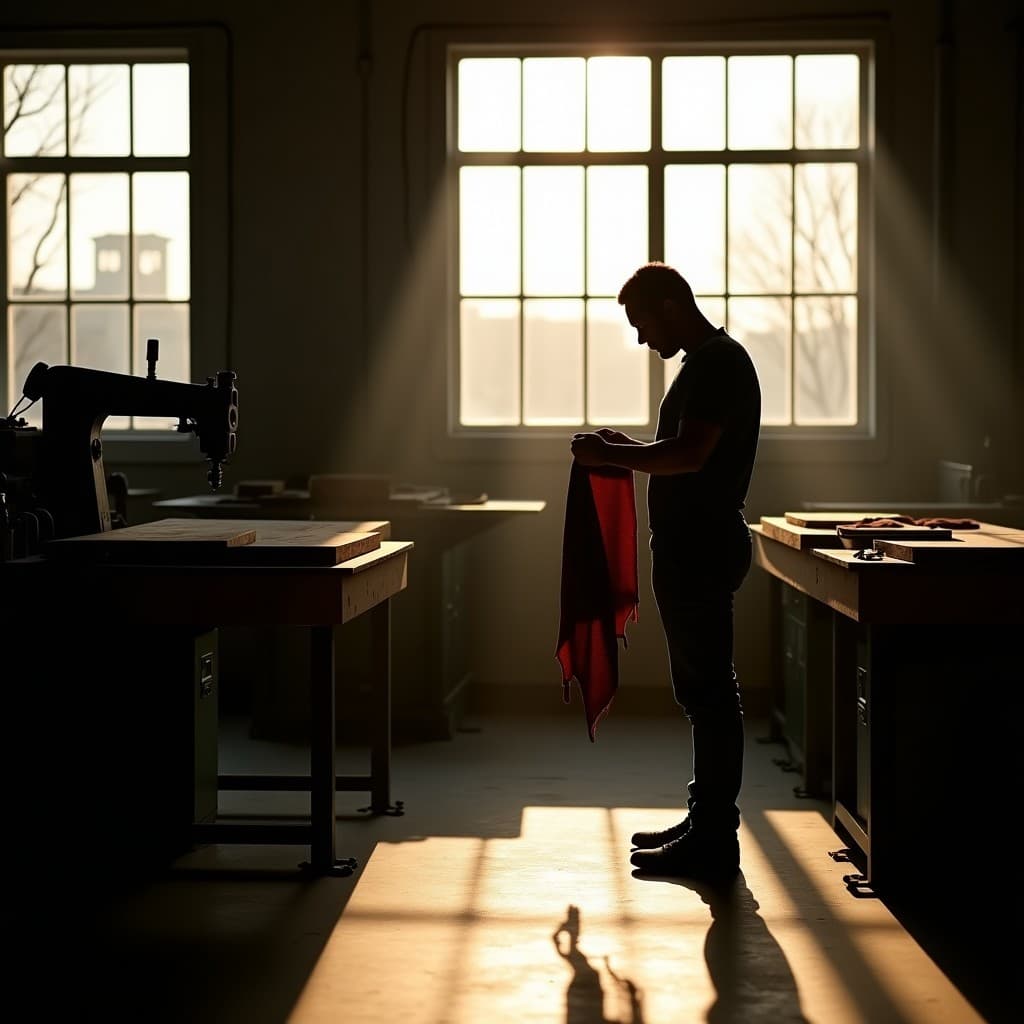
For Marche's manufacturing base—a constellation of small and medium firms in leather, furniture, and mechanical engineering—the dispute carries immediate weight. These districts depend on stable input costs and reliable energy supply. A Commission rebuke of Italy's fiscal approach could signal tighter constraints ahead on government support, forcing firms to absorb energy costs directly.
Marche's economy rests on a model of dispersed, family-owned production. The region's shoe and leather firms, furniture makers, and precision-engineering workshops operate on thin margins, competing globally against lower-wage producers. Energy costs—for heating, drying leather, powering machinery—form a significant share of their outlay. When fuel prices spike, as they have in recent years, the impact cascades through supply chains.
The EU Commission's forthcoming report, as Euronews noted, will argue that Italy's fuel-duty cuts represent a misallocation of fiscal space. Rather than reducing excise taxes across the board, Brussels contends, Rome should have channelled support to households below a certain income threshold and to industries classified as energy-intensive. This targeted approach, the Commission believes, would preserve public finances while protecting those genuinely at risk from energy poverty.
Italy's government, by contrast, has sought room to manoeuvre. Rome has repeatedly asked Brussels for flexibility in how it manages the energy crisis, citing the scale of price volatility and its impact on competitiveness. The fuel-duty cuts represent one such attempt to ease pressure on consumers and businesses alike. Yet the Commission views this strategy as economically inefficient and fiscally unsustainable.
The clash reflects a deeper disagreement over state aid and fiscal discipline within the eurozone. The Commission is tasked with ensuring that member states do not use emergency measures to circumvent EU budget rules or to subsidise industries in ways that distort competition. Italy, with a public debt exceeding 140 per cent of GDP, operates under close scrutiny. Any move the Commission deems fiscally reckless risks triggering formal procedures or conditions on future support.
For Marche manufacturers, the implications are twofold. First, if the Commission's rebuke leads to tighter fiscal constraints on Rome, government support for energy-intensive sectors may shrink. Second, the uncertainty itself—not knowing whether fuel-duty cuts will persist or be reversed—complicates business planning. Firms cannot reliably forecast input costs, making investment and pricing decisions harder.
The regional manufacturing model has weathered previous crises by relying on flexibility, family capital, and long-term customer relationships. Yet energy volatility tests these strengths. A firm that has built its reputation on consistent quality and delivery cannot easily absorb sudden cost shocks without passing them to customers—a move that risks losing orders to competitors in lower-cost regions.
Euronews reported that the Commission's report is due Wednesday. The timing matters: it will land as energy markets remain unsettled and as European manufacturers continue to lobby for support. Italy's response—whether to defend the fuel-duty cuts or to propose an alternative approach—will shape the conversation over the coming weeks.
Historically, Marche's districts have adapted to external shocks by innovating in product design and production efficiency rather than by seeking subsidies. The leather firms that dominate the region's economy, for instance, shifted toward higher-value goods and sustainability certifications as competition from Asia intensified. Yet energy costs are not a product-design problem; they are a structural input that no amount of craft innovation can fully offset.
The Commission's stance also reflects broader EU climate policy. Reducing fossil-fuel consumption is a stated priority; blanket fuel-duty cuts, Brussels argues, work against that goal by making petrol and diesel artificially cheap. A more targeted approach—supporting vulnerable households while allowing energy prices to incentivise efficiency and renewable investment—aligns better with the EU's climate commitments.
For Marche, this creates a paradox. The region's firms are increasingly conscious of their environmental footprint and are investing in cleaner production methods. Yet if energy prices rise sharply due to EU climate policy, and if government support is withdrawn due to fiscal discipline, smaller firms may struggle to afford the transition. The Commission's rebuke of Italy's fuel cuts, therefore, is not merely a fiscal dispute; it touches on how the region's economy will evolve in a carbon-constrained future.
The outcome of this clash between Rome and Brussels will likely depend on political negotiation and the trajectory of energy markets. If prices stabilise, pressure on the Commission to soften its stance may ease. If prices spike again, Rome may find more sympathy for emergency measures. For now, Marche's manufacturers are watching closely, aware that decisions made in Brussels and Rome will ripple through their supply chains and balance sheets.