
SICILIA
Brussels to challenge Italy's fuel duty cuts as energy crisis deepens
EU Commission criticises Rome's approach to energy relief, citing failure to target vulnerable families and industries
Concetta Vassallo1,342 wordsEdition №3Wednesday, 3 June 2026 — Edition № 3
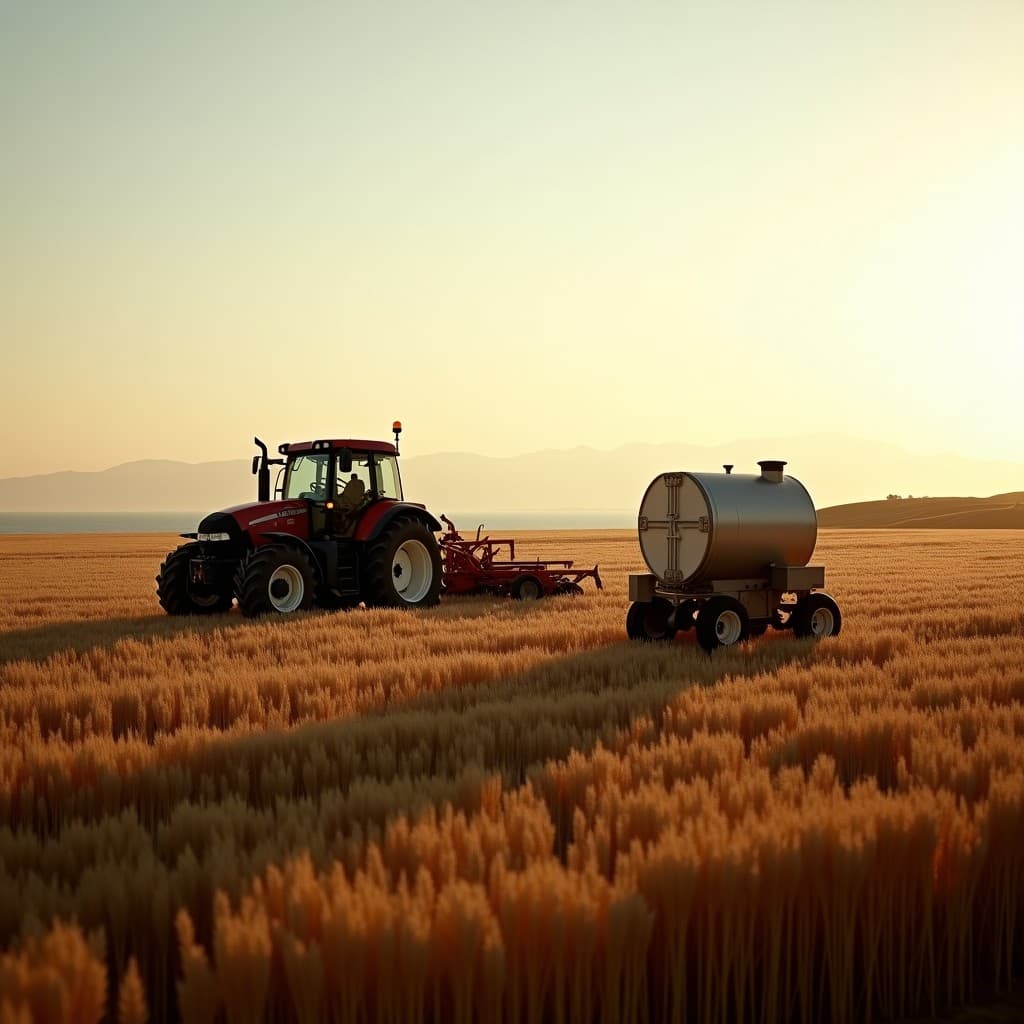
The EU Commission is preparing to criticise Italy's decision to cut excise duties on fuels, according to Euronews. The criticism, to be published in a forthcoming report, centres on Rome's approach to managing the energy crisis. Brussels contends that the Italian government's fuel duty reductions do not adequately target vulnerable families and industries, instead providing broad-based relief that the Commission views as fiscally inefficient and misaligned with EU energy policy objectives.
The dispute reflects a broader tension between national governments seeking fiscal flexibility to address energy costs and EU institutions advocating for targeted, means-tested support. Italy has argued for greater discretion in setting energy taxation to respond to domestic pressures. The Commission's position is that such measures should be designed to protect those most vulnerable to energy price volatility, rather than subsidising fuel consumption across the board.
For Sicily, energy policy carries particular weight. The island's economy depends heavily on agriculture, fishing, and tourism—sectors acutely sensitive to fuel costs. Higher energy prices affect irrigation, transportation, and the cost of goods and services. A fuel duty cut, even one the Commission deems inefficient, provides immediate relief to these sectors. Yet the Commission's critique suggests that more targeted support—subsidies for agricultural inputs, direct payments to fishing communities, or rebates for tourism businesses—might achieve the same economic benefit with less fiscal cost.
Italy's energy crisis has roots in the broader European energy market disruption that began in 2021 and intensified through 2022 and 2023. Natural gas prices spiked as Russian supplies to Europe were curtailed following the invasion of Ukraine. Electricity prices, which in many European countries depend partly on gas-fired generation, rose sharply. Italy, which imports roughly 90 percent of its natural gas and has limited domestic energy production, was particularly vulnerable to these price shocks.
The Italian government responded with a series of measures designed to shield consumers and businesses from the worst of the price increases. These included reductions in excise duties on fuels, subsidies for electricity and gas bills, and support for energy-intensive industries. The fuel duty cuts were intended to reduce the cost of petrol and diesel at the pump, providing relief to consumers and businesses that depend on transportation.
The Commission's forthcoming critique reflects a different view of how best to manage energy crises. Brussels has consistently advocated for what it calls 'targeted' support—measures that concentrate relief on vulnerable populations and essential industries rather than providing universal subsidies. The rationale is both fiscal and economic: targeted support is cheaper for governments, and it avoids distorting energy markets by artificially suppressing prices.
Fuel duty cuts, from the Commission's perspective, are problematic because they reduce the price of fuel for all consumers regardless of need. A wealthy driver benefits equally with a low-income household. Moreover, lower fuel prices can increase consumption, undermining climate goals by encouraging more driving. The Commission has pushed member states toward alternatives such as direct cash transfers to vulnerable households, targeted rebates for essential sectors like agriculture and transport, and temporary reductions in VAT on energy bills rather than excise duty cuts.
Italy's fiscal position adds another dimension to the dispute. The country carries one of the highest public debt burdens in the eurozone, at roughly 140 percent of GDP. The Commission's fiscal surveillance framework scrutinises Italian government spending closely, and broad-based fuel subsidies are viewed as fiscally unsustainable. Targeted support, by contrast, is seen as more compatible with Italy's need to maintain fiscal discipline while addressing social needs.
Sicily's energy situation is particularly acute. The island has limited hydroelectric resources and no significant fossil fuel production. It depends on imports of natural gas and electricity from the mainland and from North Africa. The island's agricultural sector—wheat, citrus, olives, and wine production—is energy-intensive, particularly in irrigation and processing. Fishing, another mainstay of the Sicilian economy, depends on fuel for boats and for the refrigeration and transport of catches. Tourism, which has grown significantly in recent years, relies on transportation and hospitality services that are sensitive to energy costs.
The fuel duty cut provides immediate relief to these sectors. Farmers face lower costs for diesel used in tractors and irrigation pumps. Fishing vessels pay less for fuel. Hotels and restaurants see reduced costs for heating, cooling, and transportation of supplies. For an island economy already struggling with lower productivity and higher unemployment than northern Italy, any reduction in business costs is welcome.
Yet the Commission's argument has merit from a structural perspective. A fuel duty cut is temporary—it depends on the government's willingness to maintain it, and it can be reversed if fiscal pressures mount. Moreover, it provides no direct support to those who cannot afford to drive or who do not own businesses. A targeted rebate for agricultural inputs or a direct payment to fishing communities would provide more durable support and would be more equitable.
The broader context is the EU's energy transition. The Commission is committed to reducing fossil fuel consumption and accelerating the shift to renewable energy. Fuel duty cuts, by reducing the price of petrol and diesel, work against this goal. They make electric vehicles less competitive and reduce the incentive for consumers to reduce fuel consumption. From Brussels's perspective, energy policy should be designed to encourage the transition to renewables, not to subsidise fossil fuels.
Italy's government has defended its approach by pointing to the immediate hardship caused by high energy prices. The political pressure to provide relief is intense, particularly in regions like Sicily where energy costs represent a larger share of household budgets and business expenses. A government that fails to provide visible relief risks losing public support. The fuel duty cut is visible and immediate; a targeted rebate for agricultural inputs is less obvious to voters.
The Commission's criticism, when published, will likely be part of a broader assessment of Italy's fiscal and economic policies. The EU's fiscal framework allows member states some flexibility in responding to crises, but it also requires that governments demonstrate a commitment to long-term fiscal sustainability. Italy's high debt burden means that Brussels scrutinises Italian spending decisions more closely than those of lower-debt countries.
The dispute also reflects different views about the role of the state in managing market disruptions. Italy's approach—using fiscal tools to reduce prices directly—reflects a more interventionist tradition. The Commission's preference for targeted support reflects a more market-oriented view, in which the state should intervene to protect the vulnerable but should otherwise allow prices to adjust. This philosophical difference has played out repeatedly in EU policy debates.
For Sicily, the outcome of this dispute matters. If the Commission's criticism leads the Italian government to reduce or eliminate the fuel duty cut, energy costs for farmers, fishers, and businesses will rise. The island's economy, already facing structural challenges including demographic decline and lower productivity than the north, would face additional pressure. Conversely, if Italy maintains the fuel duty cut despite Commission criticism, it signals that Rome is willing to prioritise domestic economic concerns over EU fiscal orthodoxy.
The timing of the Commission's forthcoming report coincides with broader discussions about the future of EU energy policy. The energy crisis has prompted some member states to question the rigidity of EU rules and to advocate for greater national flexibility. Italy has been among the more vocal advocates for fiscal discretion. The Commission's critique of the fuel duty cuts is thus part of a larger negotiation about how much flexibility the EU framework will permit.