
SICILIA
Brussels challenges Italy's fuel subsidy as energy costs strain southern Europe
EU Commission prepares rebuke of Rome's excise duty cuts; Sicily faces competing pressures on energy and fiscal discipline
Concetta Vassallo1,289 wordsEdition №4Thursday, 4 June 2026 — Edition № 4
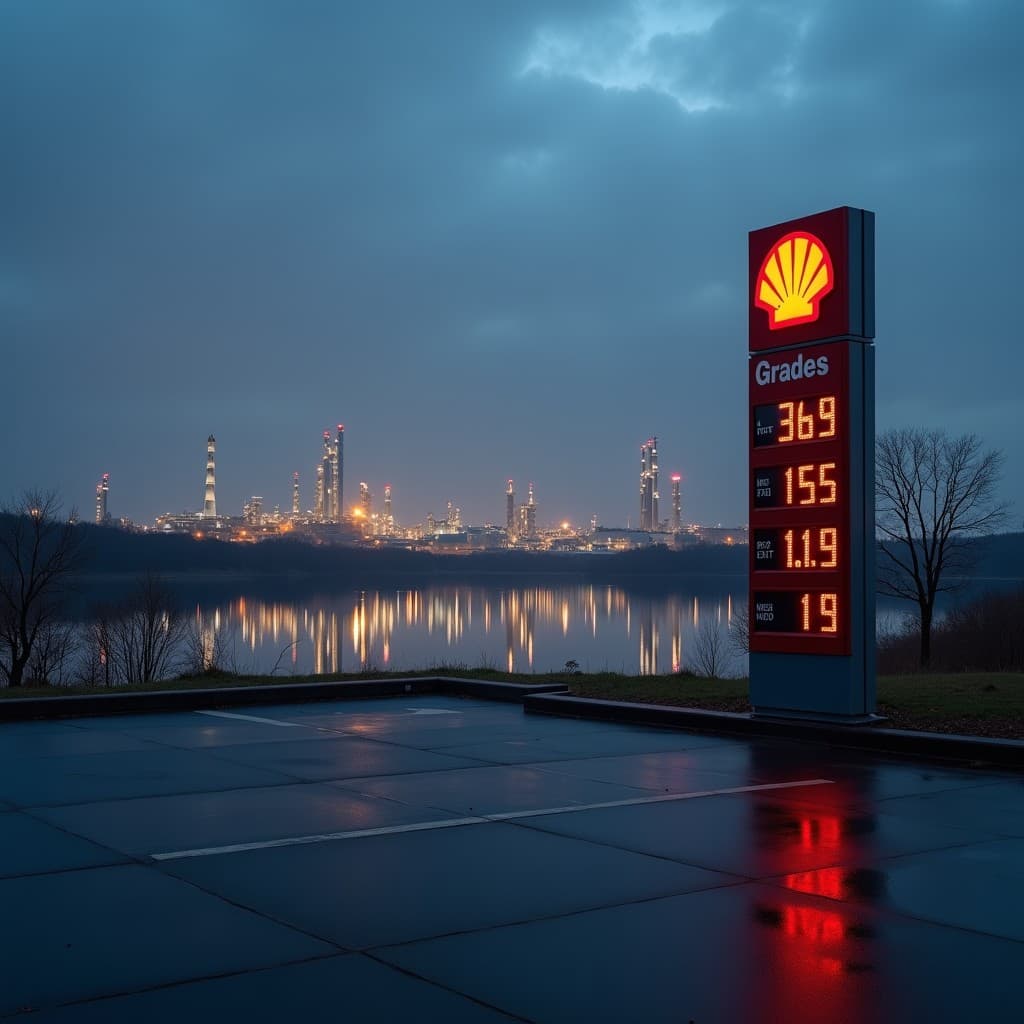
The European Commission plans to criticise Italy's decision to cut excise duties on fuels in a report due Wednesday, according to Euronews. Rome has sought greater fiscal flexibility to address rising energy costs, but Brussels contends that support should be directed toward vulnerable families and industries rather than across-the-board fuel price reductions. The dispute reflects a broader tension within the EU between national governments seeking autonomy in energy policy and the Commission's push for coordinated, means-tested approaches.
Italy's fuel duty cuts represent a policy choice that prioritises immediate relief at the pump over targeted social support. The Commission's position, by contrast, emphasises that blanket subsidies are inefficient and fiscally costly. The rebuke signals that Brussels intends to hold member states accountable to EU fiscal rules even as energy prices remain volatile.
For Sicily, the dispute carries particular significance. The island's economy depends heavily on energy-intensive sectors—agriculture, fishing, tourism, and refining—making fuel costs a direct factor in competitiveness and employment. Rising energy prices have squeezed agricultural producers and small businesses across the region, creating political pressure on Rome to provide relief.
Sicily's position in the Mediterranean energy market makes fuel costs especially consequential. The island hosts major oil refineries and petrochemical facilities that depend on stable, affordable energy inputs. Agricultural producers—particularly those in the interior, where mechanised farming requires significant diesel consumption—have faced mounting pressure as global energy prices have risen. Fishing fleets operating from Sicilian ports similarly depend on fuel costs that have become increasingly volatile.
The EU Commission's criticism of Italy's fuel duty cuts reflects a philosophy that emerged from the eurozone debt crisis: that member states must demonstrate fiscal discipline even when facing immediate economic pressures. The Commission argues that temporary, broad-based subsidies create unsustainable budget commitments and distort market signals. Instead, it advocates for targeted support to households below certain income thresholds and to essential industries.
Italy's approach—cutting excise duties to lower fuel prices for all consumers—is politically popular but fiscally expensive. The measure provides immediate relief but does not address underlying energy market dynamics. For Sicily, where public finances are already strained and unemployment remains above the national average, the prospect of reduced central government support creates a dilemma: the island benefits from lower fuel prices but may face pressure to cut other spending if Brussels forces Rome to reverse the duty cuts.
The timing of the Commission's rebuke is significant. Energy prices have stabilised somewhat from their 2022 peaks, but they remain elevated compared to pre-pandemic levels. Italy's decision to cut fuel duties came as energy costs were beginning to moderate, suggesting that the government was responding to political pressure rather than an acute crisis. The Commission's response suggests that Brussels is unwilling to tolerate what it views as fiscally irresponsible responses to energy volatility.
Sicily's energy infrastructure has undergone significant changes in recent years. The island has invested in renewable energy capacity, particularly wind and solar, but remains dependent on imported fossil fuels for electricity generation and transport. The tension between energy independence and fiscal discipline is particularly acute for a region that lacks the industrial base or wealth of northern Italy.
The dispute also reflects different assessments of how energy markets will evolve. The Commission appears to assume that energy prices will eventually stabilise at lower levels, making temporary subsidies unnecessary. Italy's government, by contrast, may be hedging against the possibility of renewed price spikes. For Sicily, which has limited ability to influence global energy markets, the uncertainty creates planning challenges.
Vulnerable households in Sicily—pensioners, unemployed workers, families in rural areas—depend disproportionately on affordable fuel for heating, transport, and access to services. The Commission's argument that support should be means-tested assumes that targeting mechanisms exist and function effectively. In practice, means-tested programmes often have administrative costs and gaps in coverage, particularly in regions with weaker institutional capacity.
The refining sector in Sicily, concentrated around Augusta and Gela, is particularly sensitive to energy policy. These facilities process crude oil into refined products and are major employers in their regions. Energy costs affect both their operational expenses and their competitiveness against refineries in other Mediterranean countries. A sustained increase in fuel prices could threaten the viability of some operations.
Italy's fiscal position constrains its ability to sustain broad-based energy subsidies. The country's public debt remains among the highest in the EU, and the Commission has long pressed Rome to reduce spending. The fuel duty cuts, while popular, add to the fiscal burden. The Commission's criticism suggests that Brussels is prepared to enforce fiscal discipline even on measures with immediate political appeal.
The agricultural sector in Sicily faces particular challenges from energy costs. Irrigation—essential in the island's hot, increasingly arid climate—requires electricity or diesel-powered pumping. Rising energy costs directly increase production costs for crops ranging from citrus to wheat. Farmers have limited ability to pass these costs to consumers, making energy subsidies a form of indirect income support.
The Commission's position also reflects concerns about carbon pricing and climate policy. Broad-based fuel subsidies can undermine incentives for energy efficiency and the transition to renewable fuels. The EU's climate commitments require reducing fossil fuel consumption, and subsidies that lower fuel prices work against this objective. For Sicily, which faces acute climate stress—heat, drought, water scarcity—the tension between short-term energy relief and long-term climate adaptation is particularly acute.
The dispute may also reflect different political constituencies. The Commission's technocratic approach prioritises fiscal discipline and climate goals. Italy's government responds to voters who experience energy costs directly at the pump and in heating bills. For Sicily, where political trust in institutions is often fragile, the perception that Brussels is blocking relief measures can deepen scepticism about EU membership.
Looking ahead, the Commission's rebuke may prompt Italy to modify its approach. Rather than broad fuel duty cuts, Rome might shift toward means-tested support or targeted relief for specific sectors. Such a shift would require administrative capacity and political will to implement programmes that benefit some groups while excluding others—a challenge in any country, but particularly in regions where informal networks and patronage have historically shaped resource distribution.
The energy dispute also has implications for Sicily's relationship with the broader Mediterranean. Spain, Greece, and Portugal have all implemented energy support measures in response to price spikes. The Commission's approach to these measures will shape the political economy of energy policy across southern Europe. If Brussels enforces strict fiscal discipline on energy support, it may create pressure for coordinated regional responses that prioritise efficiency and targeting.