
ESTERO
Brussels challenges Italy's fuel duty cuts amid energy crisis
Commission criticizes Rome's excise reductions, escalating debate over fiscal autonomy and energy policy
Adriana Sole1,198 wordsEdition №3Wednesday, 3 June 2026 — Edition № 3
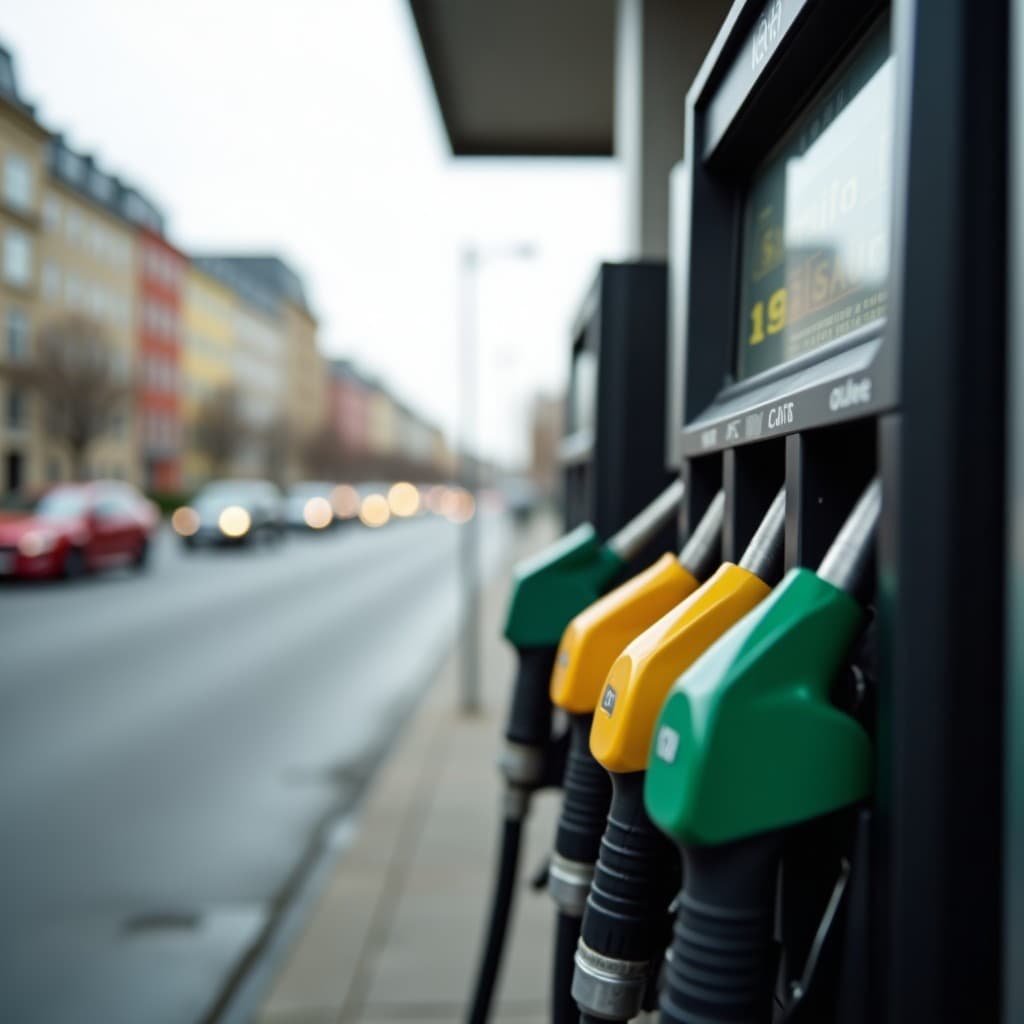
The European Commission is preparing to rebuke the Italian government's approach to managing energy costs, according to Euronews. In a report due Wednesday, Brussels will argue that Italy's cuts to fuel excise duties do not align with EU fiscal priorities during the energy crisis. Rome has been seeking greater fiscal flexibility to address surging energy prices, but the Commission contends that targeted support for vulnerable populations would be more effective than broad duty reductions.
The dispute reflects a fundamental disagreement over how member states should respond to energy market volatility. According to Euronews, the Commission views fuel duty cuts as an inefficient use of public resources, benefiting all consumers regardless of need. Instead, Brussels prefers means-tested support directed at households and industries most affected by high energy costs.
Italy's fiscal position complicates the debate. The country carries a substantial public debt, and the Commission has long scrutinized Italian spending decisions for compliance with EU fiscal rules. Euronews's reporting suggests that the Commission's criticism of fuel duty cuts may be framed partly as a fiscal discipline issue, not merely an energy policy disagreement.
The Commission's forthcoming report represents an escalation in Brussels's oversight of Italian energy policy. According to Euronews, the criticism will be published formally, signaling that the Commission views Italy's approach as inconsistent with EU priorities. This public rebuke carries political weight, as it places Italy's fiscal decisions under external scrutiny and may constrain the government's room for maneuver on future energy measures.
Energy prices across Europe have remained volatile since the 2022 crisis triggered by Russia's invasion of Ukraine. Member states have responded with varying approaches to cushioning consumers from price shocks. Some have implemented temporary price caps, others have subsidized energy suppliers, and still others have reduced taxes on fuel. Italy's excise duty cuts fall into the latter category, according to Euronews's framing of the policy landscape.
The Commission's preference for targeted support reflects broader EU thinking about fiscal sustainability. According to Euronews, Brussels argues that universal fuel subsidies drain government budgets without efficiently addressing energy poverty. Means-tested programs, by contrast, concentrate resources on households and firms most vulnerable to energy price spikes. This approach aligns with the Commission's emphasis on fiscal discipline and efficient spending.
Italy's negotiating position in this dispute is constrained by its debt levels. The country's public debt exceeds 140 percent of GDP, making it subject to heightened Commission scrutiny under EU fiscal rules. Euronews's reporting does not detail whether the Commission will formally challenge Italy's fuel duty cuts under fiscal governance procedures, but the threat of such action may shape Rome's response.
The timing of the Commission's criticism is significant. According to Euronews, the report comes as energy markets have begun to stabilize following the acute crisis of 2022-2023. This context suggests that the Commission views continued broad fuel subsidies as less justified than emergency measures taken at the height of the crisis. Rome may face pressure to phase out duty cuts and shift toward more targeted support.
The dispute also touches on broader questions about member state autonomy in fiscal policy. Italy has long sought greater flexibility to respond to domestic economic conditions, including energy shocks. The Commission's criticism suggests that Brussels views energy policy as a matter of EU-wide concern, not solely a national prerogative. This tension between national fiscal autonomy and EU coordination has characterized EU governance since the eurozone crisis.
Italian industries dependent on energy — including manufacturing, agriculture, and transport — have lobbied for continued fuel subsidies. Euronews does not detail the Commission's position on industrial energy support specifically, but the report's emphasis on targeted assistance suggests that blanket fuel duty cuts may be reconsidered. This could affect Italy's competitiveness in energy-intensive sectors.
The Commission's approach reflects its broader fiscal framework. Under EU rules, member states must maintain sustainable fiscal positions and avoid excessive deficits. Fuel duty cuts reduce government revenue, widening fiscal deficits. For Italy, already constrained by debt levels, this fiscal impact may be the Commission's primary concern, according to Euronews's coverage of the policy debate.
The Italian government's response to the Commission's criticism remains uncertain. Euronews does not report on Rome's likely reaction, but historically, Italy has sometimes resisted Commission pressure on fiscal matters. The government may argue that energy support is justified by economic necessity or may propose alternative measures that satisfy Brussels's concerns about targeting.
The dispute has implications for EU energy policy coordination more broadly. As member states navigate the transition to renewable energy and away from Russian fossil fuels, questions about how to manage energy costs during the transition will recur. The Commission's position on fuel subsidies may set a precedent for how Brussels evaluates similar measures in other member states.
The role of the European Parliament in this dispute is not addressed in Euronews's reporting. However, Parliament members from Italy may seek to defend Rome's fiscal choices or to pressure the Commission to reconsider its stance. The political dynamics within the EU institutions could influence how the dispute unfolds.
Looking forward, the Commission's report may trigger formal procedures under EU fiscal governance. Euronews does not indicate whether the Commission intends to launch an excessive deficit procedure or other enforcement mechanism against Italy, but the formal criticism suggests that the matter is being taken seriously. Italy may face pressure to adjust its energy policy in response.
The broader context of EU-Italy relations shapes this dispute. Italy has been a source of tension within the EU over fiscal matters, migration, and rule of law. The Commission's willingness to criticize Italian fuel policy publicly may reflect broader concerns about Rome's fiscal trajectory. Euronews's framing of the issue as a clash between Brussels and Rome suggests that the dispute carries symbolic weight beyond the immediate policy question.