
CALABRIA
EU tightens migration rules as Mediterranean crossing persists
New regulations take effect amid doubts about enforcement; Calabria faces continued arrivals despite hardened European borders
Saverio Gallo431 wordsEdition №18Wednesday, 17 June 2026 — Edition № 18
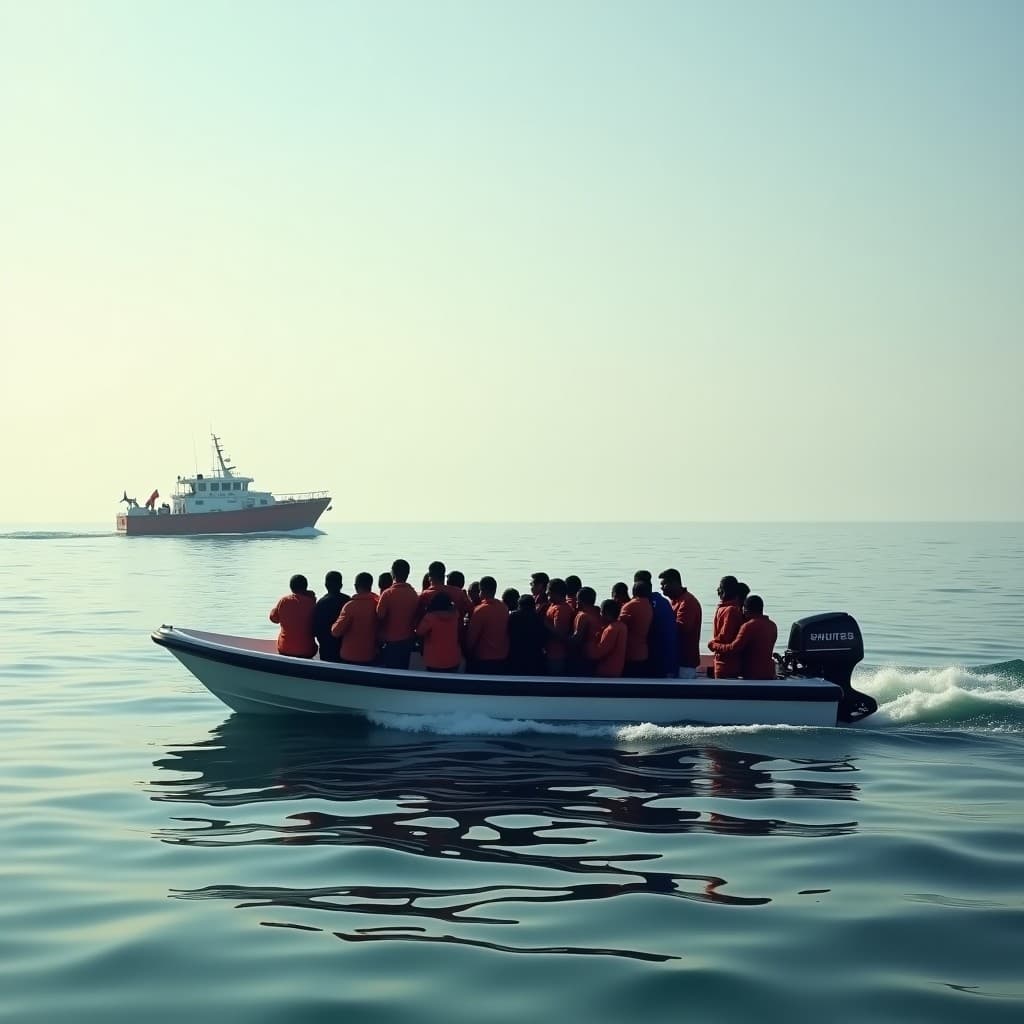
The European Union's revised migration framework took effect on June 12, tightening asylum procedures and border controls across the bloc. According to Reuters, the overhaul aims to strengthen member states' capacity to process claims faster and enforce returns, though significant doubts persist about whether the measures will reduce irregular crossings or merely shift routes. The rules follow months of political pressure from member states, particularly those on the Mediterranean frontier, to regain control of their borders.
Greece has emerged as the EU's most aggressive enforcer of the new regime. On June 15, Greece's migration minister, Thanos Plevris, told private broadcaster Action 24 that he regarded criticism from the United Nations and Amnesty International as a 'badge of honour,' vowing to further toughen what he described as 'the toughest—if not the toughest—migration policies in Europe,' according to the Los Angeles Times and AP News. His comments signal a hardening stance across the EU's southern frontier, where states compete to demonstrate resolve to their electorates.
For Calabria, the new EU framework arrives as the region absorbs arrivals that European policy has struggled to prevent. The Strait of Messina and the ports of Gioia Tauro and Reggio Calabria remain primary entry points for migrants crossing from North Africa and Turkey. The regional consequence is not yet clear: tighter EU procedures may slow the pace of arrivals, or they may simply redirect flows through smuggling networks that exploit gaps between the new rules and their enforcement on the ground. Reuters noted that doubts about the framework's practical impact centre on the resources member states have committed to implementation and the political will to sustain enforcement over time.
The political divide in Italy itself complicates the picture. On June 13, thousands marched in Rome in rival demonstrations, according to AP News and The Sun Chronicle. Opponents of the government's migration package, including a 'repatriation bonus' scheme, held signs reading 'Skin and sweat have the same color, no deportation,' while pro-government marchers called for tougher border controls. The demonstrators highlighted how migration has become a fault line in Italian politics, with the government pushing for stricter enforcement while opposition parties and legal groups argue that the repatriation bonus scheme is unconstitutional and ethically problematic.
In Calabria, where migration has long been a lived reality rather than an abstract policy debate, the new EU rules and the hardening stance of Greece and other Mediterranean states may reshape the pattern of arrivals without solving the underlying pressures that drive them. The region's role as a reception point is unlikely to diminish; what changes is the legal framework within which arrivals are processed and the political temperature surrounding them.