
MOLISE
Another heatwave hits Europe as Molise braces for crop stress
Western Europe faces record temperatures; southern Italian agriculture fears summer of extremes
Antonio Petrella368 wordsEdition №21Saturday, 20 June 2026 — Edition № 21
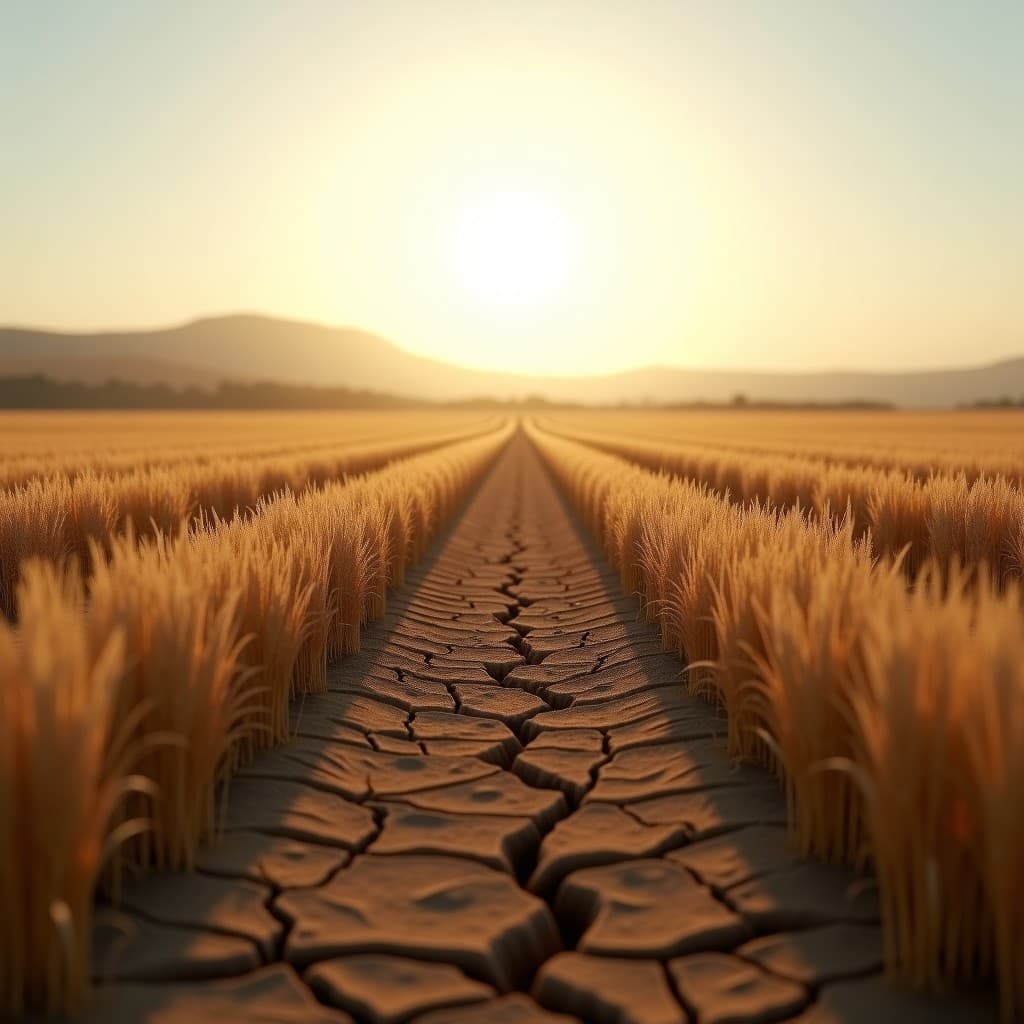
Western Europe was baking under a gruelling heatwave on Friday, with the mercury expected to continue rising in the coming days and shattering temperature records, according to The Local Italy. The heat is reaching deep into the continent, from the Atlantic coast eastward, adding to a pattern of climate stress that has defined European summers since the early 2020s.
For Molise, the arrival of sustained high temperatures in mid-June signals the return of a familiar summer hazard. The region's agriculture—wheat, barley, and increasingly wine grapes—depends on water reserves that the continental heat of recent years has depleted. Farmers across the South have learned to expect drought as a summer fact, not an exception. The timing matters: crops in their critical growth phase face stress precisely when irrigation demand peaks and reservoirs run lowest.
The broader European pattern is now a fixture of summer forecasting. Saharan air masses regularly push northward from June onward, bringing temperatures 10 to 15 degrees above seasonal norms. This heatwave follows earlier episodes in 2024 and 2025 that damaged yields across the Mediterranean basin and forced governments to declare water emergencies. Italy's South, already fragile in its agricultural economics, faces cumulative stress: each summer of heat and drought narrows the margin between subsistence and failure for small producers.
Molise's interior, where transhumance routes once carried sheep flocks across open grassland, now hosts wind turbines and increasingly marginal grain cultivation. The region's 289,000 residents include farmers whose families have worked the same land for generations, but whose children have migrated north or abroad. A summer of severe heat and water stress compounds the economic pressure that has already emptied villages across the interior.
The European heatwave also signals a broader climate shift that international climate research has documented: southern Europe is becoming hotter and drier, while northern Europe experiences more erratic rainfall and flooding. This North-South divergence reshapes agricultural viability. What remains possible to grow in Molise may shrink further. The region's future increasingly depends on tourism, wind energy, and remittances from the diaspora—not on the crops that sustained it for centuries.