
CAMPANIA
Western Europe swelters as second summer heatwave arrives, with Campania bracing for peak stress
Temperatures shattering records across the continent as Saharan air mass moves north; southern Italy faces critical strain on power and water systems
Rosaria Esposito375 wordsEdition №21Saturday, 20 June 2026 — Edition № 21
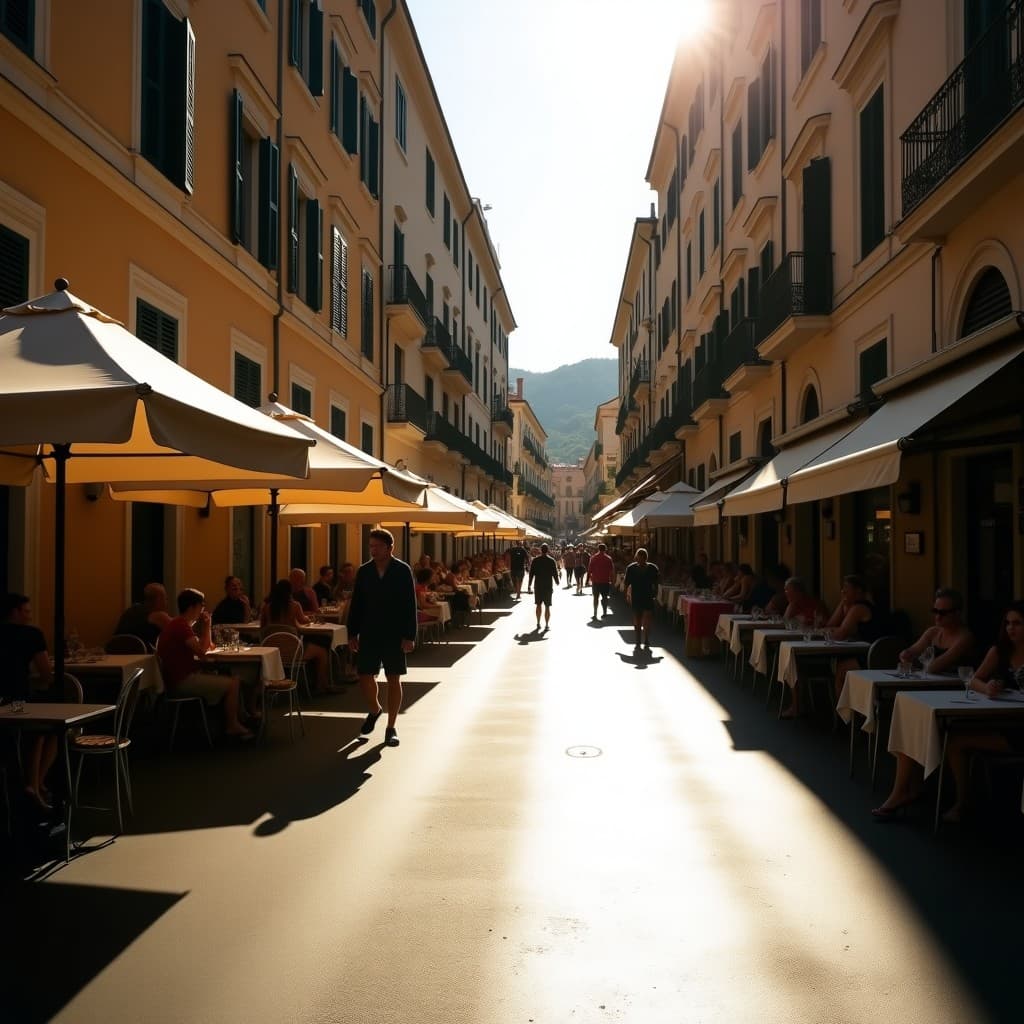
The Local Italy reported on Friday that Western Europe was baking in a gruelling heatwave with mercury expected to continue rising in the coming days, shattering temperature records. The phenomenon marks the second major heat surge to strike the continent in recent weeks, with Campania positioned directly in the path of the warming trend.
For the South, the implications are acute. Naples and the surrounding region depend on reliable power supply and water availability during peak tourism season, yet heatwaves of this magnitude strain both systems to their limits. Agricultural output—particularly the San Marzano tomatoes and mozzarella di bufala that form the backbone of Campanian food exports—faces crop stress during the critical growing period. Tourism, already strained by overcrowding, risks further disruption if infrastructure buckles under thermal load.
Campania's vulnerability to extreme heat reflects broader patterns of climate stress across the Mediterranean. Unlike northern European regions with more robust cooling infrastructure, the South operates closer to critical thresholds. Power grids designed for moderate summer temperatures now face sustained demand spikes; water systems that depend on winter and spring rainfall find themselves depleted by midsummer.
The timing compounds the pressure. June heat arrives as summer tourism reaches its early peak, with visitors flooding Naples, the Amalfi Coast and Pompeii. Hotels and attractions must maintain service while managing energy consumption; transport networks—buses, ferries, trains—operate at full capacity under conditions their systems were not engineered to withstand. The informal economy that sustains much of Naples' street life and hospitality sector faces particular risk, as workers without air conditioning or regulated hours bear the direct physical cost.
Previous heatwaves across southern Italy have triggered emergency protocols: water rationing, rolling blackouts, crop failures that ripple through export-dependent food production. This year's second surge, arriving earlier in the calendar than historical norms, suggests a new climate regime—one in which Campania's summer season becomes a period of managed crisis rather than predictable economic opportunity. The region's resilience, tested repeatedly in recent years, faces another stress test as temperatures climb.