
CALABRIA
Europe Hardens Migration Rules While Southern Italy's Labour Trap Deepens
New asylum restrictions target border arrivals, but the exploitation of migrants already inside Europe—especially in Calabria's farms—remains untouched by policy.
Saverio Gallo1,398 wordsEdition №7Sunday, 7 June 2026 — Edition № 7
Europe is moving toward stricter migration rules, driven by high numbers of asylum seekers from countries deemed safe and by voter fatigue after waves of migration. The Washington Post reported this week that wealthy nations are questioning asylum claims and tightening entry criteria, a shift framed as a response to public pressure and the scale of arrivals. The rules target the visible frontier: border crossings, sea routes, and processing systems. Yet this hardening of policy coincides with a deepening crisis in how Europe treats migrants already inside its borders—a distinction that matters acutely in Calabria.
The new rules assume that the migration problem is one of entry and asylum processing. If governments can reduce arrivals and speed deportations, the logic goes, public anxiety will ease and social cohesion will improve. But Calabria's agricultural sector demonstrates a different problem: migrants who are already in Europe, often with some legal status or at least undocumented presence tolerated by local economies, are trapped in labour systems that exploit them systematically. Tightening asylum rules does nothing to address this; if anything, it may worsen it by reducing legal pathways and driving more workers into informal, trafficker-controlled networks.
The killing of four migrant farmworkers in a minivan at a Calabrian gas station illustrates the gap between Europe's migration policy and the reality of labour exploitation. The victims were not asylum seekers arriving by sea; they were workers already employed in agriculture, trapped in a system of debt-bondage and violence. European governments are debating how to stop new migrants from arriving, but they have no coherent policy for protecting those already working in Europe's farms, warehouses, and kitchens under criminal control.
The Washington Post framed the new rules as a response to asylum fatigue and the economic strain of migration on public services. European officials cited high numbers of arrivals from safe countries and the political cost of integration failures. The policy shift is real: border walls are being reinforced, processing is being accelerated, and deportations are being pursued more aggressively. Yet this focus on entry leaves untouched the economic structures that create demand for migrant labour in the first place.
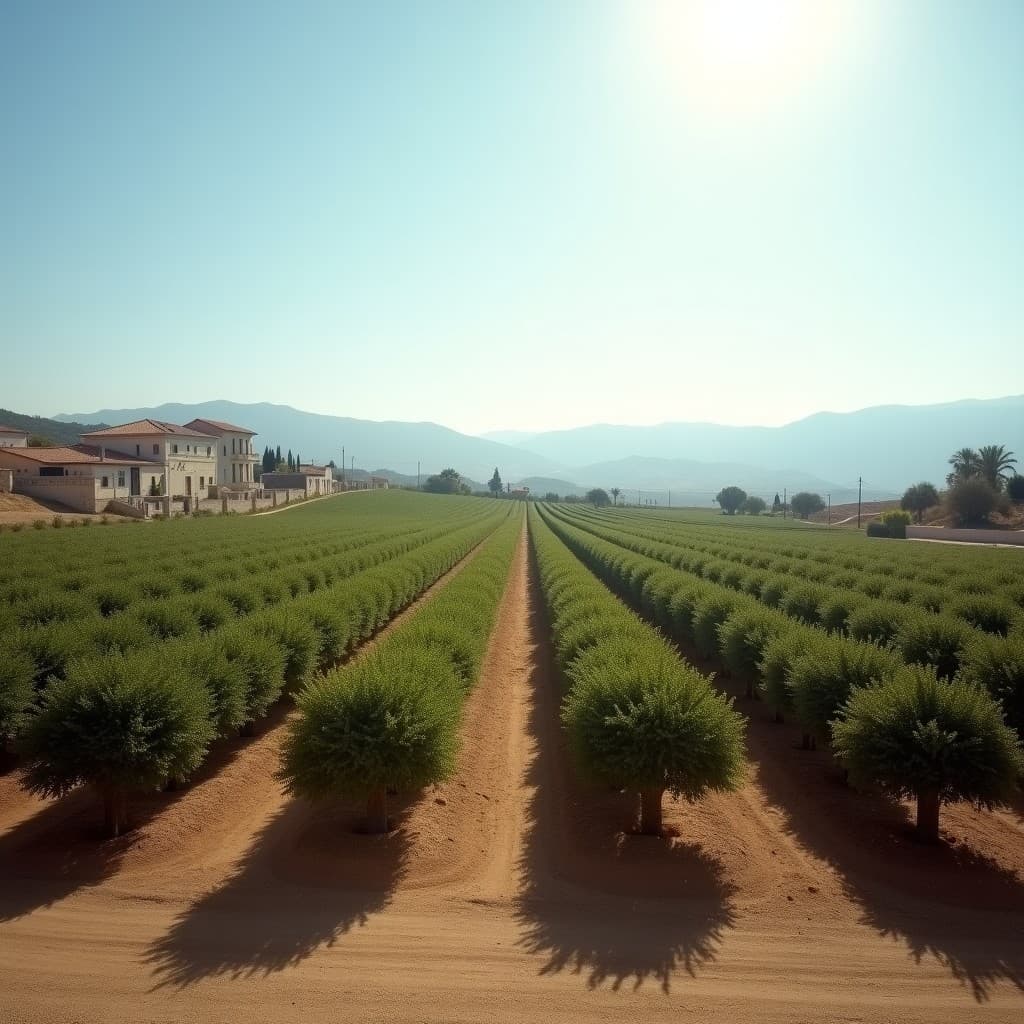
Calabria's agricultural economy depends on migrant workers. Farmers compete on price in global markets for citrus, bergamot, and vegetables; they cannot afford to pay European wage rates. The solution, for decades, has been to employ migrants—first legal guest workers, then increasingly undocumented labour controlled by trafficking networks. The caporali system, in which labour brokers control workers through debt and isolation, has become the standard mechanism for hiring in rural Calabria. It is illegal, but it is also structural: it is how the region's agriculture functions.
The new European migration rules do not address this. They do not regulate the demand for cheap labour; they do not create pathways for legal seasonal migration that might compete with trafficking networks; they do not increase enforcement of labour law in agricultural regions. Instead, they make it harder for migrants to arrive legally, which pushes more of them into the hands of traffickers. The four men burned alive in Calabria were likely part of a trafficking network because legal entry was too difficult or expensive.
Pope Leo XIV's tour of Europe's migration hotspots, reported by the AP, includes visits to Spain and Italy framed around easing political tensions and promoting integration. The Pope's focus is on asylum, reception, and the moral obligation to migrants. Yet his tour does not address the labour trafficking that operates in Europe's agricultural heartland. The Church has a presence in Calabria and has advocated for migrants in some contexts, but the Pope's message about integration assumes that the problem is one of cultural acceptance rather than economic exploitation.
The timing of Europe's migration tightening is significant. The Washington Post reported the policy shift in early June, just days after the killing in Calabria became international news. European governments are responding to public anxiety about migration by making borders harder to cross. Yet the killing of four workers in a minivan demonstrates that the real crisis is not at the border but inside Europe's labour markets. The two problems—asylum and labour exploitation—are being treated as separate when they are in fact connected.
Calabria receives seasonal migrants for agricultural work. Some arrive with seasonal visas, but the quotas are limited and the process is bureaucratic. Many arrive without documents or overstay visas, creating a pool of vulnerable labour that traffickers can easily control. The new European rules may reduce overall migration, but they will not reduce the demand for cheap labour in Calabrian agriculture. Instead, they will likely increase the proportion of undocumented workers, making them even more vulnerable to exploitation.
The Italian government, under Prime Minister Georgia Meloni, has been among the most vocal in Europe in calling for tighter migration controls. Meloni's coalition has emphasised border security and the rejection of asylum seekers. Yet Italy's own agricultural sector depends on migrant labour, much of it trafficked and exploited. The contradiction between Meloni's anti-migration rhetoric and Italy's economic reliance on migrant workers is acute in Calabria, where the killing of four farmworkers has exposed the human cost of the system.
Labour inspection and enforcement in Calabrian agriculture are weak. Inspectors lack resources and political support; farmers and caporali operate with impunity. The new European migration rules do not strengthen labour enforcement; they do not create incentives for legal hiring or compliance with wage and working-condition standards. Instead, they assume that the problem is one of too many migrants, not too much exploitation.
The gap between policy and reality is widest in regions like Calabria. European capitals debate asylum and integration; southern Italy's farms operate a parallel system of labour trafficking that is largely invisible to these debates. The killing of four workers in a minivan brought the system into view, but only briefly. Once the international attention fades, the system will likely continue.
The Washington Post's reporting on Europe's hardening migration stance included analysis of how wealthy nations are questioning asylum claims and tightening criteria. Yet the reporting did not address the labour trafficking that operates in Europe's own agricultural sector. This gap reflects a broader blindness in European migration policy: the assumption that migration is primarily a border and asylum issue, rather than a labour and exploitation issue.
For Calabria, the consequence is clear. The region will continue to receive migrant workers because its agriculture depends on them. The new European rules will not change this demand; they will only make it harder for workers to arrive legally and easier for traffickers to control them. The killing of four men in a minivan is likely to be followed by more killings, more exploitation, and more migrants trapped in networks they cannot escape.
What would change the dynamic? Legal pathways for seasonal migration, enforced labour standards, and real penalties for employers who hire trafficked workers. These measures would require European governments to acknowledge that migration is not just a border problem but an economic one. Yet the current policy direction moves in the opposite way: tighter borders, faster deportations, and no new protections for migrants already inside Europe's labour markets.
The Pope's message about integration and the moral obligation to migrants is important, but it does not address the economic structures that drive labour trafficking. Neither do Europe's new migration rules. The four men burned alive in Calabria were casualties of a system that Europe's governments have chosen not to confront.