
BASILICATA
Saharan heat returns as Europe braces for second summer surge
Temperatures set to reach 40C across Italy; Basilicata's agriculture and tourism face mounting stress
Pietro Lasorsa387 wordsEdition №19Thursday, 18 June 2026 — Edition № 19
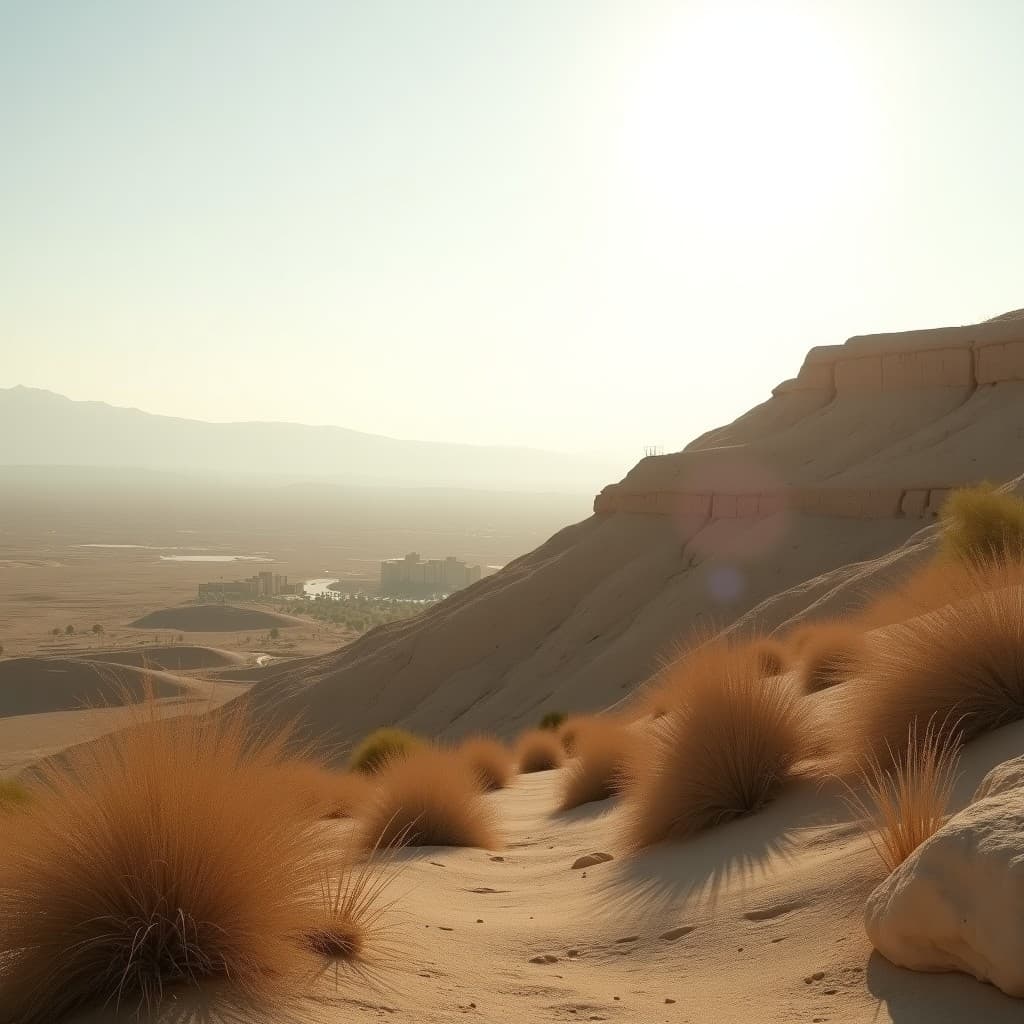
Western Europe is bracing for another round of intense heat after an early heatwave in May, according to reporting from The New York Times and The Guardian. The Guardian's weather tracker noted that a mass of hot air from the Sahara has settled over the Iberian peninsula and is spreading eastward across the continent. Italy is set for the first major heatwave of the summer this week, with peaks of 39–40C forecast in some areas, according to reporting on Tuesday.
For Basilicata, a region spanning Mediterranean coasts and continental mountain interiors, the convergence of two heatwaves in a single summer season compounds existing pressures on agriculture and heritage tourism. The region's sparse agricultural sector—particularly cereal crops and wine production in the interior—faces moisture stress during the critical grain-filling phase. Coastal tourism in summer months, already concentrated in June through August, now risks disruption as visitors seek respite from extreme heat.
The timing is significant. Basilicata's tourism economy has grown steadily, anchored by Matera's revival as a film-location and cultural destination. But the region also depends on agricultural output to sustain its interior economy and rural employment. Back-to-back heatwaves, separated by only weeks, suggest a pattern of climatic volatility that challenges both sectors' ability to plan and invest with confidence.
The broader European context is one of accelerating climate stress. The Guardian's reporting on the current heatwave notes that heatwave conditions are building over large swathes of the continent, following what has been an unusually warm and volatile spring. The New York Times reported that people across France, Germany, Italy and other countries are searching for respite, signalling that heat is no longer a summer novelty but an expectation—and a burden.
For Basilicata specifically, the agricultural impact is measurable. The region's interior depends on rainfed cereal and wine production; sustained temperatures above 35C during flowering and grain-filling stress yields and grape quality. Heritage sites in Matera—ancient stone dwellings and churches carved into limestone—also face preservation pressure during extreme heat, as thermal stress accelerates weathering and structural movement. The regional administration has not yet published specific adaptation measures, but the frequency of heatwave alerts suggests that emergency planning is now a permanent operational requirement.
Tourism operators report that summer bookings remain strong, but the heat itself has become a marketing liability. Visitors to Matera expect to explore dense stone streets on foot; temperatures above 40C make this uncomfortable and potentially dangerous for elderly or vulnerable travellers. The region's ability to extend tourism seasons into spring and autumn—when climate is more temperate—may become essential to sustaining the sector's growth trajectory.