
FRIULI-VENEZIA GIULIA
Ferrari enters electric market with five-seat Luce
Maranello's first pure EV targets younger buyers and competitive Chinese segment
Sergio Madrussan1,356 wordsEdition №3Wednesday, 3 June 2026 — Edition № 3
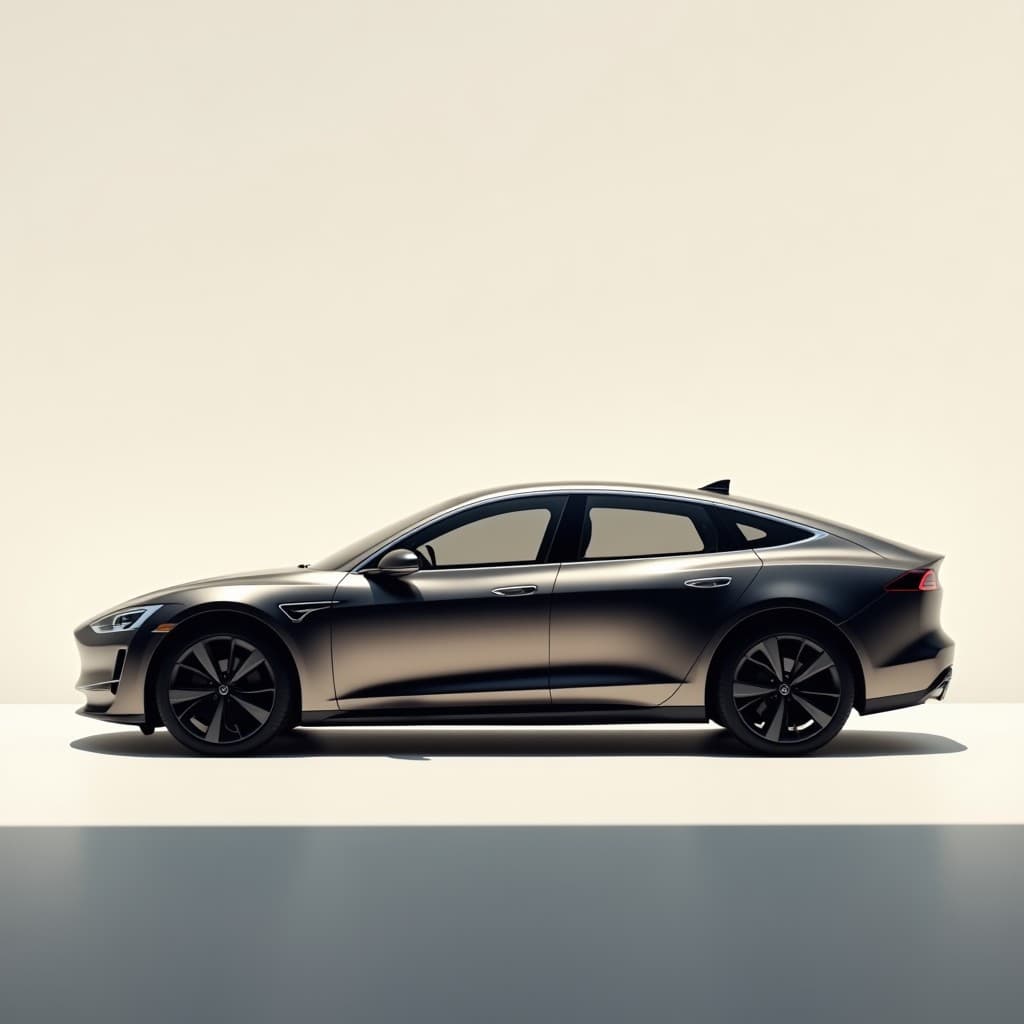
Ferrari has released images of the Luce, its first all-electric vehicle and its first car designed to seat five passengers. According to Deutsche Welle, the supercar manufacturer's entry into the EV market represents a significant strategic pivot, targeting younger clientele and the increasingly competitive Chinese automotive sector. The Luce marks a departure from Ferrari's traditional two-seat, high-performance formula.
The decision to build a five-seater signals Ferrari's recognition that the luxury automotive market is fragmenting. Younger buyers, particularly in Asia, prioritise practicality and environmental credentials alongside performance. The Chinese market, where EV adoption has outpaced Europe and North America, represents a crucial growth opportunity for traditional supercar makers seeking to remain relevant.
Ferrari's shift toward electrification reflects pressure across the automotive industry to meet emissions regulations and changing consumer preferences. The Luce's design—a four-door sedan with five seats—differs fundamentally from the mid-engine, two-seat roadsters that have defined the brand for decades. This repositioning carries both commercial logic and symbolic weight: Ferrari is acknowledging that the future of luxury performance lies beyond its historical formula.
The Luce's unveiling comes at a moment of profound transformation in the global automotive industry. Traditional manufacturers face pressure from Chinese EV makers, regulatory mandates for electrification, and shifting consumer expectations about what luxury means. For Ferrari, based in Maranello in the Emilia-Romagna region, the Luce represents an attempt to preserve brand prestige while adapting to market realities that would have been unthinkable a decade ago.
Deutsche Welle's coverage emphasised that the Luce targets a younger demographic than Ferrari's traditional customer base. The five-seat configuration and electric powertrain appeal to buyers who may aspire to Ferrari ownership but require practicality—school runs, family trips, daily commuting—that a two-seat supercar cannot provide. This expansion of the addressable market is commercially essential as Ferrari confronts the reality that its historical customer base is ageing and shrinking.
The Chinese market's significance to Ferrari's strategy cannot be overstated. China has become the world's largest EV market, with domestic manufacturers like BYD, NIO, and XPeng competing aggressively in the premium segment. For European luxury brands, China represents both opportunity and threat. The Luce's design and positioning suggest that Ferrari believes it can compete in this market by offering heritage, design sophistication, and performance credentials that Chinese competitors, however technologically advanced, cannot yet match.
The Luce's development also reflects the broader consolidation of the automotive supply chain around battery technology and electric powertrains. Ferrari, like other traditional manufacturers, must source battery cells, electric motors, and power management systems from suppliers who dominate the EV ecosystem. This dependency on external suppliers represents a loss of vertical integration that would have been unthinkable in Ferrari's manufacturing tradition, where engine development was central to the brand identity.
The four-door sedan format itself carries historical echoes. Ferrari produced the 400 and 412 models in the 1970s and 1980s—practical, four-seat grand tourers that allowed the brand to reach customers who valued comfort alongside performance. The Luce appears to revive this tradition, but with electrification as the defining feature rather than a compromise. This positioning suggests Ferrari believes that electric powertrains can deliver the acceleration and responsiveness that buyers associate with the brand, without the mechanical complexity of traditional engines.
From the perspective of Friuli-Venezia Giulia, Ferrari's electrification strategy carries indirect significance. The region hosts advanced manufacturing, research institutions, and logistics infrastructure that support Italy's automotive and engineering sectors. While Ferrari's production remains centred in Maranello, the supply chains that support Italian automotive manufacturing extend across regions. The transition to electric vehicles will reshape these networks, creating opportunities in battery technology, power electronics, and lightweight materials—areas where research institutions in Friuli, particularly around Trieste, have developed expertise.
The Luce's unveiling also reflects Ferrari's awareness that brand prestige in the luxury market is increasingly tied to environmental responsibility. Younger wealthy consumers, particularly in developed markets, expect luxury goods to align with sustainability values. An all-electric Ferrari, despite the irony of a brand built on high-performance combustion engines, signals that Ferrari understands this shift. The Luce becomes not merely a practical five-seater but a statement about Ferrari's commitment to a post-carbon future.
Deutsche Welle's framing of the Luce as targeting the Chinese market reflects a broader pattern in automotive journalism: the recognition that China is no longer a secondary market for European luxury brands but the primary arena where growth will be determined. The Chinese EV market's maturity—in terms of charging infrastructure, consumer familiarity with electric vehicles, and competitive intensity—means that success there requires not merely adaptation but genuine innovation in design and positioning.
The technical specifications of the Luce remain largely undisclosed in the available coverage, but the emphasis on five seats and electric propulsion suggests a vehicle aimed at the premium sedan segment rather than the supercar category. This positioning places Ferrari in direct competition with manufacturers like Porsche (which produces the Taycan electric sedan) and emerging Chinese competitors. The competitive landscape has shifted dramatically from the era when Ferrari's only rivals were other Italian and British supercar makers.
The Luce's development timeline and production plans remain unclear from the available reporting. Ferrari's manufacturing capacity is limited by design—the brand produces roughly 10,000 vehicles annually—and expanding production to accommodate a new model line would require significant capital investment. Whether the Luce will be produced in Maranello or outsourced to a partner manufacturer remains an open question that will shape the economic implications for Italian automotive manufacturing.
For the global automotive industry, Ferrari's entry into the EV sedan market signals that the transition to electrification is now universal. No manufacturer, regardless of heritage or brand positioning, can remain outside this transformation. The Luce represents Ferrari's bet that it can preserve brand identity and customer loyalty while fundamentally altering the mechanical and experiential basis of what a Ferrari is. Whether this gamble succeeds will depend on whether the car delivers the acceleration, handling, and emotional engagement that buyers expect from the marque, now powered by batteries rather than petrol engines.
The Luce also raises questions about the future of Ferrari's iconic engine culture. For nearly a century, Ferrari has been synonymous with high-revving, naturally aspirated engines—mechanical artistry expressed through sound and vibration. An electric Ferrari eliminates these sensory signatures, replacing them with instant torque and silent acceleration. This trade-off represents a fundamental rupture with Ferrari tradition, one that the brand is clearly willing to accept in pursuit of market relevance and regulatory compliance.