
ECONOMY
Fincantieri wins Portuguese frigate order as defence exports reshape Mediterranean shipbuilding
Three-ship deal signals growing demand for Italian naval capacity amid European rearmament push
Marina Doria410 wordsEdition №57Sunday, 26 July 2026 — Edition № 57
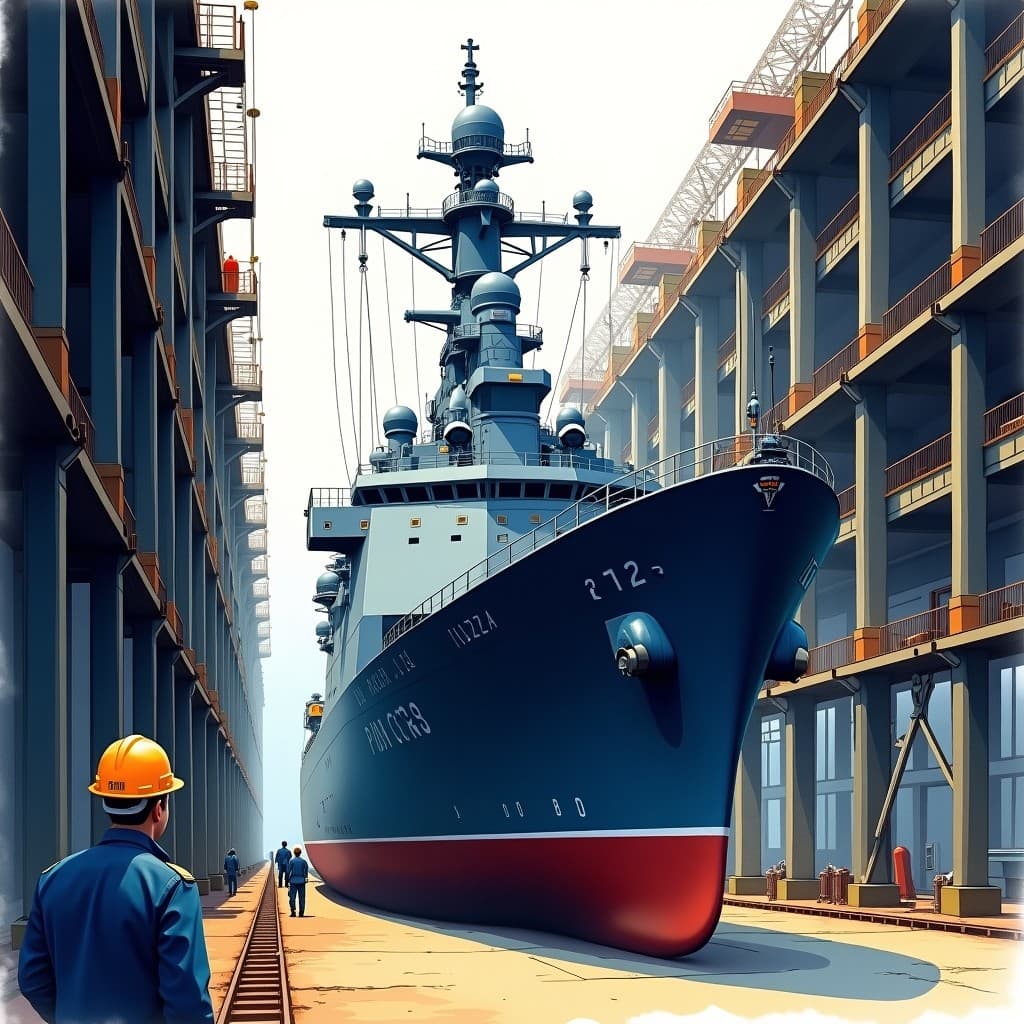
Italy's Prime Minister Giorgia Meloni announced on Monday that Portugal has decided to purchase three frigates from Fincantieri, the Italian shipbuilder. Marine News Magazine reported that Meloni hailed the deal as a boost for Europe's defence industry. Trading sources estimate the contract is substantial, though the full value and timeline remain undisclosed.
The order underscores a broader shift in European defence procurement. As NATO allies increase military spending in response to regional tensions, Italian shipyards are positioned to capture a growing share of frigate construction work. Fincantieri, based in Trieste but with major production facilities across northern Italy, has become a critical node in European naval manufacturing.
For Liguria's port economy, the contract signals sustained demand for the supply chains and logistics infrastructure that feed Italian shipbuilding. Genoa's container and breakbulk terminals have long handled components and raw materials destined for Fincantieri's yards; a multi-ship defence order typically requires steady throughput of specialized cargo. The deal also reflects how Italian industrial capacity in advanced manufacturing continues to attract foreign governments, offsetting some of the region's exposure to commercial shipping volatility.
Portugal's decision to source frigates from Italy rather than from other European or allied yards—such as France, Spain, or the Netherlands—reflects both Fincantieri's technical reputation and Italy's competitive positioning in the European defence sector. The company has delivered frigates to multiple navies and maintains a strong order book. The Portuguese purchase is the latest in a series of export wins that have stabilized Italian shipyard employment over the past two years.
The timing is significant. European defence budgets have expanded sharply since 2022, and countries are now moving from planning to procurement. Fincantieri's success in capturing the Portuguese contract suggests that Italian yards are winning competitive tenders against established rivals. This matters for Liguria's industrial base: the region's steel mills, engineering firms, and logistics operators depend partly on the health of Italian shipbuilding, which remains one of the country's largest industrial employers outside automotive.
Genoa's role in this supply chain is largely invisible to the public but substantial. The port handles specialized steel plate, electrical systems, and other components bound for shipyards. A three-frigate order, spread across several years, represents steady, high-value cargo movement and the technical logistics that come with defence procurement—customs clearance, security protocols, and specialized handling. Such work provides more stable employment than container shipping alone.