
TOSCANA
Florence's Postcard Problem: Who Pays for Overtourism
As global destinations struggle with visitor glut, Tuscany's capital faces a widening gap between tourist wealth and resident displacement.
Costanza Bardi1,247 wordsEdition №5Friday, 5 June 2026 — Edition № 5
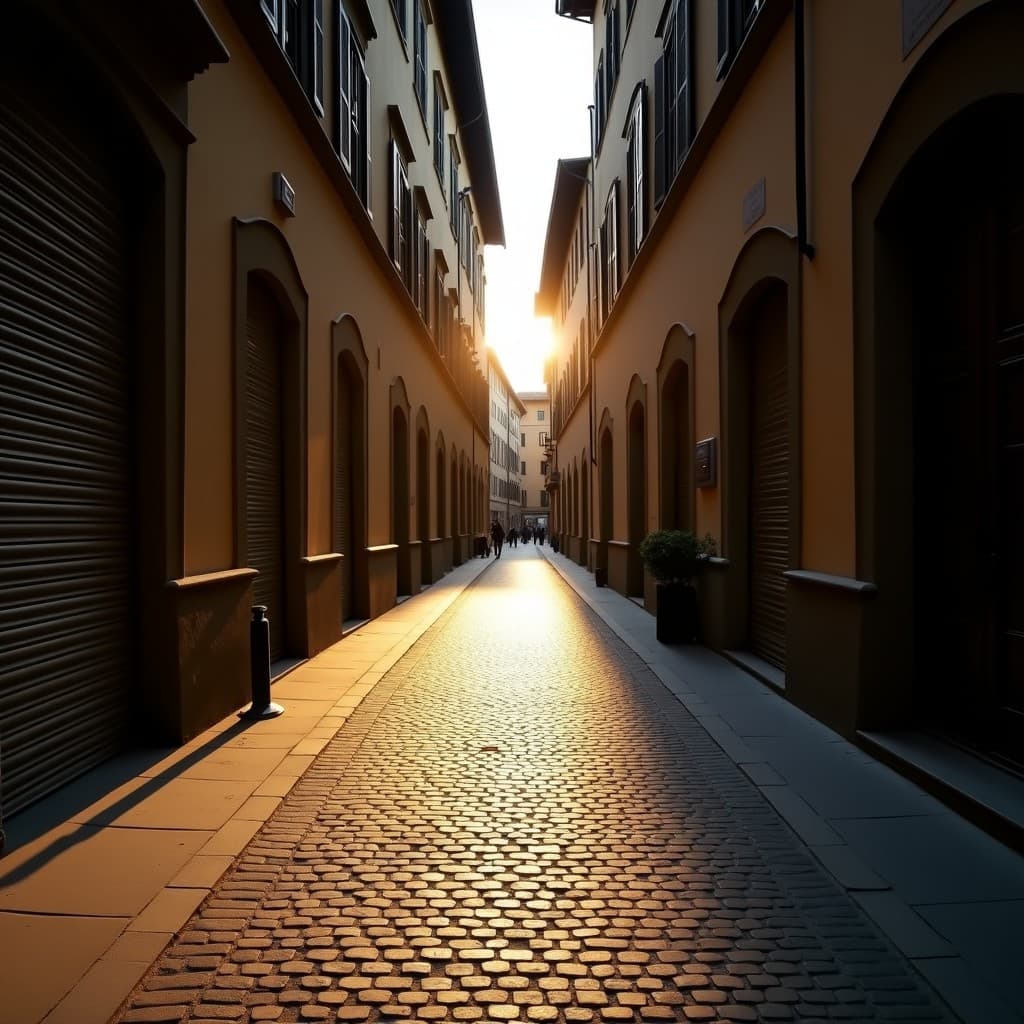
Skift's analysis of overtourism in Iceland and Puerto Rico has exposed a troubling pattern: the machinery built to manage mass tourism in wealthy destinations does not protect the poor. The framework assumes that locals can absorb visitor pressure, that housing markets can adapt, that cultural sites can sustain unlimited footfall. In Florence, that assumption has already broken down.
The Tuscan capital has become a case study in this dynamic. According to Skift, overtourism management typically benefits those with capital—property owners who profit from short-term rentals, luxury hoteliers, tour operators—while pricing out the workers who serve them. The same story plays out in the Oltrarno, where artisans' workshops have given way to souvenir shops, and in the centre, where resident families have fled to the periphery.
What distinguishes Florence is the added layer of heritage stewardship. The city is not just a destination; it is a museum, a UNESCO site, a repository of Renaissance art. The visitor economy that sustains it also threatens to hollow it out—a contradiction that the foreign press has begun to scrutinise more closely.
The Skift report frames overtourism as a class problem, not merely a capacity one. In Iceland, it notes, the tourism boom enriched a small cohort of operators while pushing locals into precarious service work and out of housing markets inflated by visitor demand. Puerto Rico's experience mirrors this: tourism revenue concentrates at the top; the cost—noise, congestion, environmental strain—distributes downward. The framework that wealthy nations use to manage tourism assumes a stable middle class that can absorb disruption. When that class erodes, the model fails.
Florence has been living this failure for a decade. The city's population has shrunk as residents have decamped to suburbs and smaller towns. The Uffizi, the Accademia, the Duomo—the sites that draw four million annual visitors—operate under constant strain. Restoration budgets compete with crowd management. The question that haunts heritage administrators is whether a masterpiece preserved for tourists but emptied of residents is truly preserved at all.
The Skift analysis suggests that the problem is not tourism itself but the distribution of its benefits and burdens. A destination that prices housing for investors rather than residents, that prioritises visitor experience over civic life, that treats heritage as a revenue stream rather than a commons—such a destination will eventually hollow out. Florence is not there yet, but the trajectory is visible.
The foreign press has begun to cover this more sharply. The Guardian's Rome correspondent has written about Florence's 'demographic death spiral.' The Financial Times has examined how Airbnb and similar platforms have transformed the housing market. The BBC has documented the closure of family-run businesses in the historic centre. What ties these stories together is the recognition that overtourism is not an excess of a good thing; it is a structural problem in how tourism wealth is distributed.
Tuscany's wine and oil regions face a different but related pressure. As international demand for Tuscan products has grown, foreign investors have acquired estates, consolidated holdings, and shifted production toward export markets. The postcard image of the family farm persists in marketing; the reality is increasingly industrial and foreign-owned. The same dynamic that displaces residents from Florence displaces small producers from the countryside.
The regional consequence is stark. Tuscany's economy depends on tourism and on the image of Tuscany—the rolling hills, the medieval towns, the sense of continuity with the Renaissance. But that image is being consumed faster than it can be renewed. The residents who embody it, who maintain the towns and the countryside, are being priced out. The question is whether the postcard can survive the loss of the people who live in it.
What Skift's analysis suggests is that management frameworks alone will not solve this. Iceland has implemented visitor caps and reservation systems; the wealthy still find ways to visit, and the poor still bear the cost. Puerto Rico has tried to regulate short-term rentals; capital still flows toward tourism and away from other sectors. The problem is not technical; it is political. It requires decisions about who a destination is for, and who bears the cost of making it a destination.
In Florence, such decisions have been deferred. The city council has debated limits on short-term rentals, but implementation has been weak. Heritage authorities have resisted visitor caps, fearing revenue loss. The national government has offered tax incentives for tourism investment. The European Union has funded heritage restoration, which increases the destination's appeal and thus its visitor pressure. Each actor, acting rationally within its own frame, pushes the system toward the outcome no one wants.
The Skift report offers no solution, only clarity: overtourism is a class problem, and it will not be solved by treating it as a logistics problem. That clarity is uncomfortable for destinations like Florence that have built their prosperity on tourism. It suggests that the current model is unsustainable, that something will have to give. The only question is what—and who will decide.
For Tuscany, the stakes are particularly high. The region's identity, its soft power, its economic model all rest on the image of a place that is liveable, that is home to people who have chosen to stay. If that image becomes a fiction—if the centre is tourists and the residents are elsewhere—then what remains is a theme park, not a region. The postcard will be perfect; the place will be gone.
The foreign press is beginning to ask whether this trade-off is worth it. Skift's analysis suggests it is not, that destinations that pursue it will eventually find themselves with neither the prosperity nor the authenticity they sought. Florence has time to choose a different path, but the window is narrowing. The question is whether the city's political and economic leadership will act before the choice is made for them.