
MARCHE
Florence rail works fracture Italy's north-south connection, disrupting Adriatic trade routes
Scheduled maintenance at central station to cause cancellations and three-hour delays through July, fragmenting cross-country freight and passenger flows
Elena Marcheggiani313 wordsEdition №38Tuesday, 7 July 2026 — Edition № 38
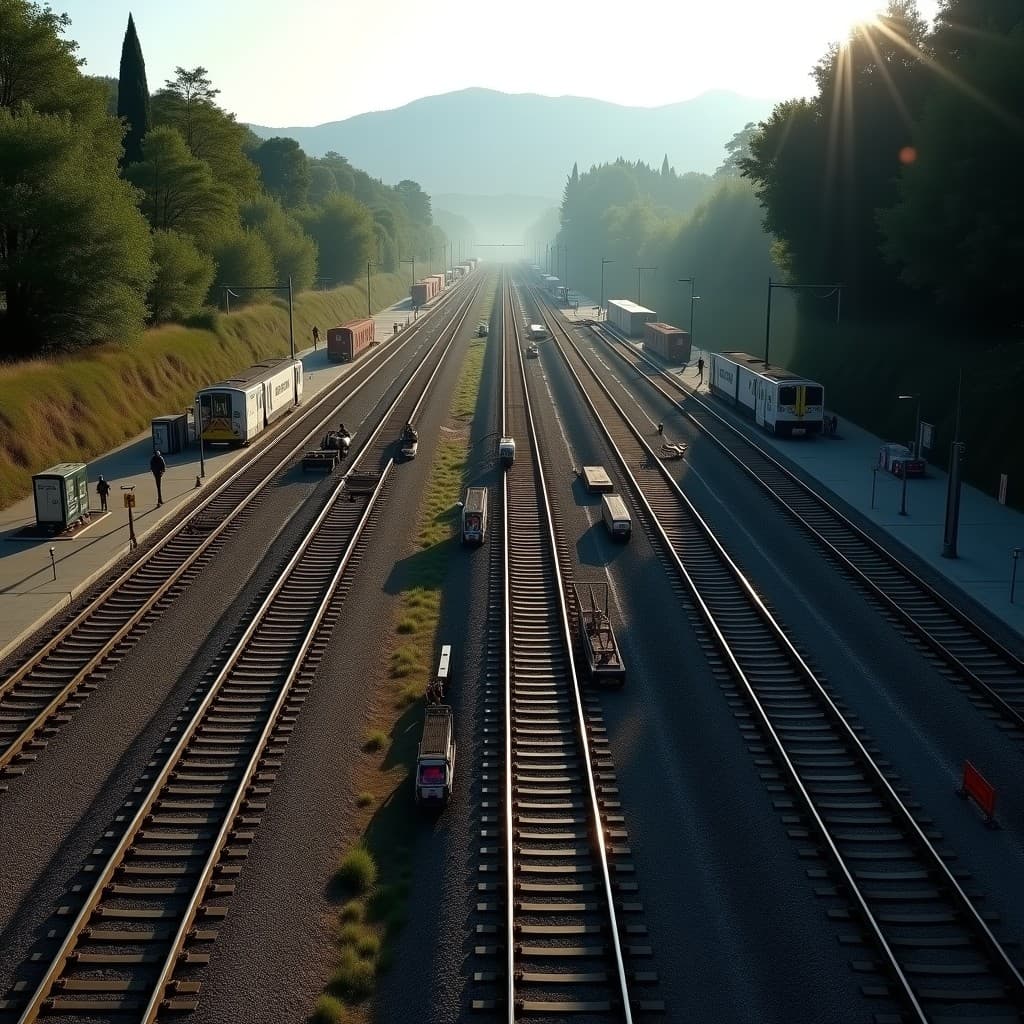
Florence's central railway station is undergoing scheduled maintenance beginning this week that will interrupt connections between northern and southern Italy, according to The Local Italy. Passengers and freight crossing the country by rail face cancellations and delays of up to three hours as works fragment what The Local describes as Italy being "divided in two." The disruption extends through July, creating a critical bottleneck on one of Europe's busiest north-south rail corridors.
For Marche, the disruption threatens the region's manufacturing and trade networks. The Adriatic region's furniture, mechanical and footwear exports typically move south through Florence toward ports at Gioia Tauro and beyond, or north toward the Brenner Pass and central Europe. With the Florence junction compromised, shippers face rerouting delays and cost increases precisely as summer peak season for international orders typically accelerates.
The timing compounds existing supply-chain strain. European footwear and fashion sectors are already contending with labour unrest—FashionUnited reported that Tuscan supply-chain workers are striking on July 9 over sectoral collapse, with 830 leather-goods companies closed since 2019. Florence's rail maintenance adds logistical friction to an already fractured supply landscape. Small and medium firms in Marche that depend on just-in-time delivery of materials or rapid export routing now face unpredictable transit windows.
The disruption also threatens passenger connectivity. The Adriatic coast depends on rail links to Florence and Rome for tourism and business travel. A three-hour delay on a major corridor reduces the appeal of overland travel and may push freight toward road transport—increasing costs and emissions for companies already managing thin margins. The Local Italy noted that the works will continue through the peak summer tourism season, when both leisure and business passengers rely on rapid connections.