
TRENTINO-ALTO ADIGE
Florence rail works disrupt Alpine-to-south corridor for weeks
Scheduled maintenance at central station threatens connections across Italy; Trentino-Alto Adige faces delays on key transit routes
Klara Hofer340 wordsEdition №38Tuesday, 7 July 2026 — Edition № 38
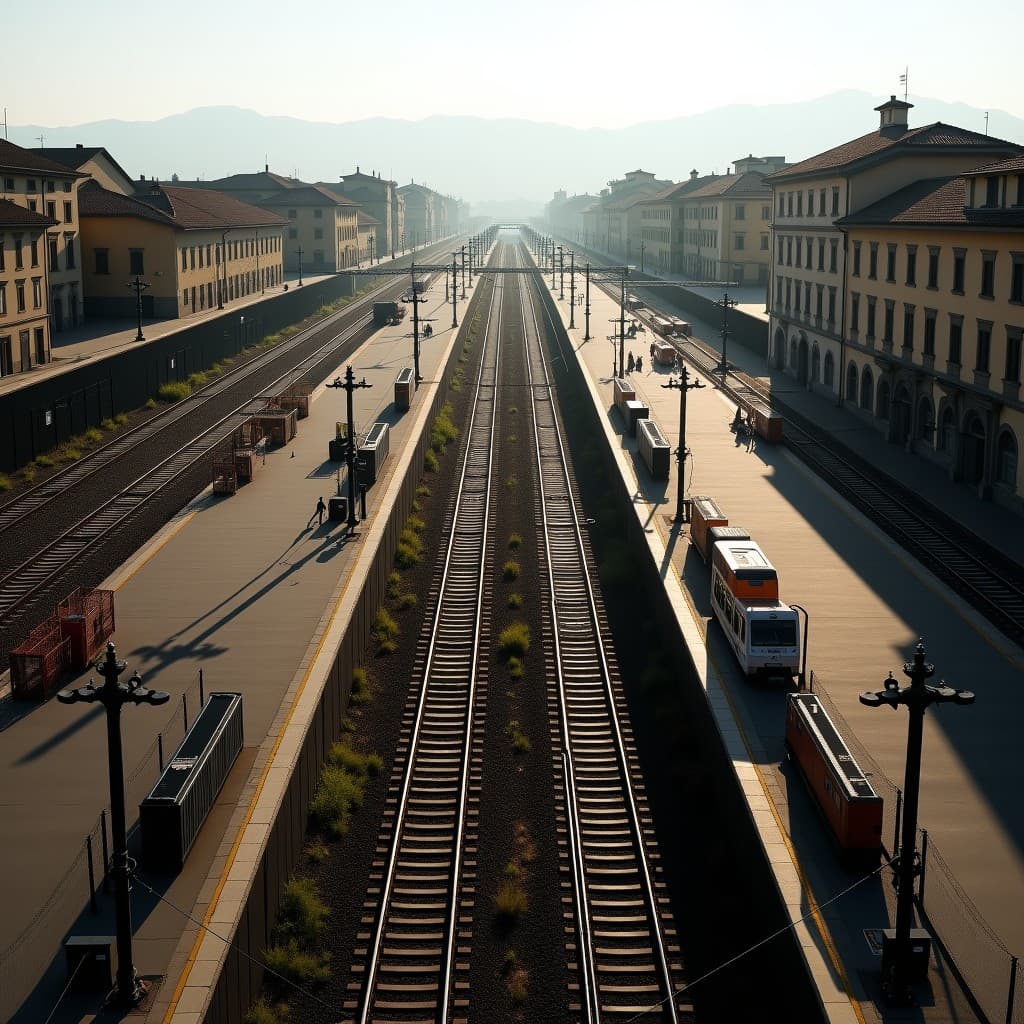
Scheduled maintenance at Florence's central station will fracture rail connections between northern Italy and the south throughout July, The Local Italy reported, with passengers facing cancellations and delays of up to three hours. The works interrupt the main north-south corridor at a critical junction, effectively dividing Italy's rail network during the peak summer travel season. The disruption is expected to cascade across multiple routes, including connections from the Trentino-Alto Adige region southward toward Rome and central Italy.
For the Alpine region, the Florence bottleneck carries particular weight: the Brenner corridor—the primary freight and passenger link between South Tyrol and the Italian peninsula—depends on continuity through Florence to reach southern markets and connections. The timing compounds existing pressures on the region's tourism economy, which peaks in July as visitors travel to mountain destinations and then onward to cultural sites in Tuscany and Umbria. The Local Italy described the situation as leaving Italy "divided in two," underscoring how a single infrastructure project in the centre can isolate peripheral regions from national connectivity.
The maintenance schedule reflects the aging state of Italian railway infrastructure and the chronic underinvestment in rail modernisation outside the major urban corridors. Florence's central station, a bottleneck for decades, requires periodic major works to maintain safety and capacity. However, the timing and scale of these works—occurring during high summer travel demand—illustrate the tension between infrastructure upkeep and economic continuity that Italy's transport authorities repeatedly face.
For Trentino-Alto Adige, which depends on efficient rail transit both for tourism and for the movement of regional products (apples, wine, hydroelectric equipment) to markets across Italy, the disruption represents a recurring vulnerability. The region's autonomy grants it substantial control over local services, but the Brenner corridor and connections southward fall under national rail authority jurisdiction. The works underscore the region's structural dependence on Italian state infrastructure for economic vitality—a dynamic that has long shaped autonomy negotiations and Alpine transport policy debates within the EU.