
SARDEGNA
Florence bans tourist lets in nine neighbourhoods; Sardinia watches mainland model
Italy's cities restrict short-term rentals as housing crisis deepens; island's Costa Smeralda faces different pressures
Gavino Sanna1,389 wordsEdition №8Monday, 8 June 2026 — Edition № 8
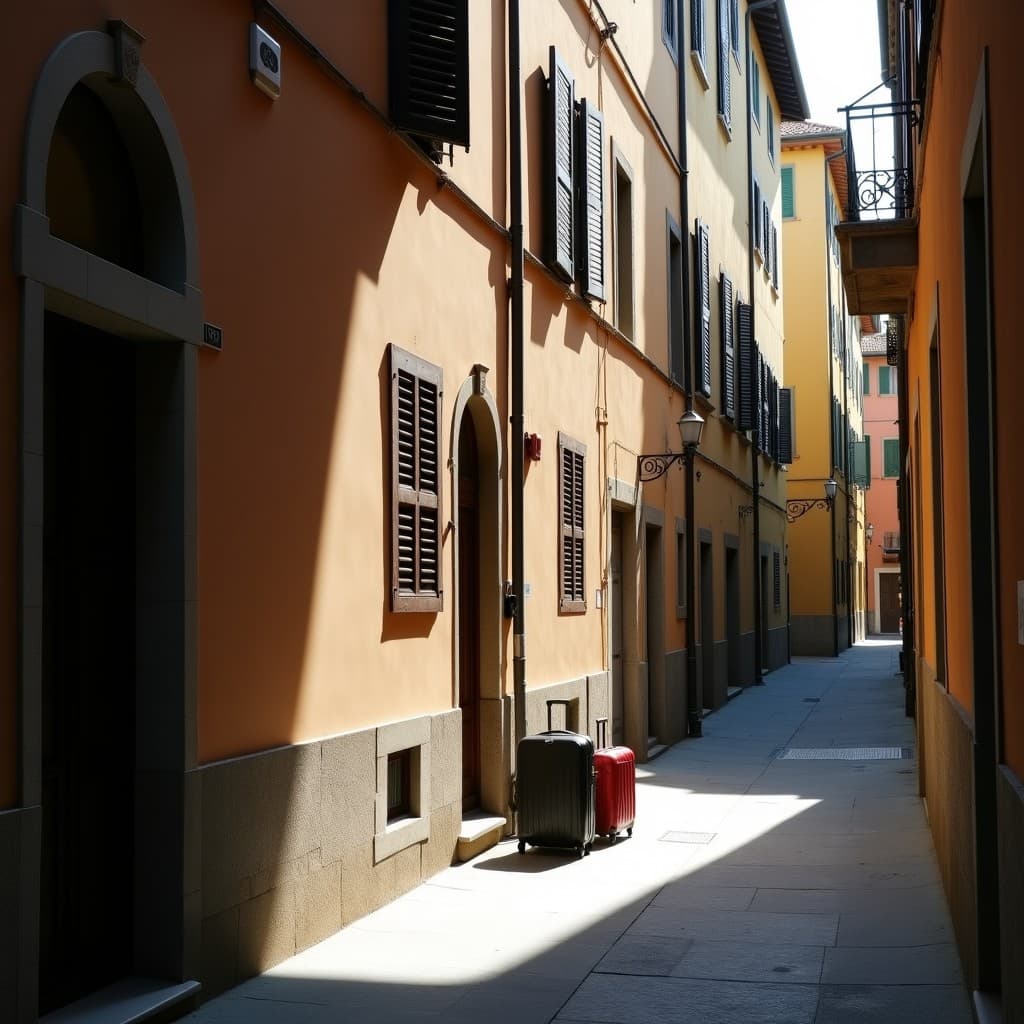
Florence's city council gave final approval on Thursday to expand Italy's first short-term rental freeze beyond the historic centre, covering nine residential neighbourhoods where Airbnb-type listings have surged. The Local Italy reported that the expansion represents an escalation in Italy's response to what authorities describe as a housing crisis driven partly by the conversion of residential apartments into tourist accommodation.
The policy reflects a broader pattern across Italian cities. The Local Italy noted that in the absence of national restrictions on tourist rentals, major cities including Venice, Rome, and Milan have begun implementing their own controls. Florence's move is the most expansive to date, suggesting that local governments see short-term rentals as a primary driver of rising housing costs and resident displacement.
For Sardinia, the mainland's rental restrictions signal a shift in how Italy's tourism economy is being managed—one that carries implications for the island's own tourism model, particularly the luxury sector concentrated on the Costa Smeralda. While Florence battles the democratisation of tourism through platforms like Airbnb, Sardinia's challenge is different: managing the environmental and social impact of high-end coastal tourism while preserving an increasingly fragile interior.
Florence's ban targets a specific problem: the conversion of long-term residential housing into short-term tourist lets. The Local Italy reported that the nine neighbourhoods now covered by the restriction had seen explosive growth in holiday rental listings in recent years. By removing the ability to list apartments on short-term rental platforms, the city aims to preserve housing stock for residents and stabilise rental prices in areas where locals have been priced out.
The policy is not without controversy. Property owners who have invested in tourist rental businesses argue that the restrictions violate property rights and eliminate a source of income. Tourism operators contend that short-term rentals generate tax revenue and support the hospitality sector. Yet the political consensus in Florence, and increasingly across Italian cities, has shifted toward prioritising resident housing over tourist accommodation.
Italy's housing crisis has multiple causes, but tourism's role is increasingly recognised. The Local Italy's reporting on the broader trend noted that cities like Venice have experienced depopulation as residents leave for more affordable areas, partly driven by the conversion of housing to tourist use. In some Venice neighbourhoods, more than half of residential units are now listed as holiday rentals, creating ghost streets that empty each evening.
Sardinia's situation differs markedly from Florence's. The island does not have a historic centre flooded with Airbnb listings in the way that Florence, Venice, and Rome do. Instead, Sardinia's tourism is concentrated in specific coastal zones—the Costa Smeralda in the northeast, the Maddalena archipelago, and scattered beach resorts. The interior remains largely untouched by tourism development, which is precisely the problem: tourism wealth does not circulate inland, leaving the interior to depopulate.
Yet Sardinia is not immune to the rental phenomenon. In recent years, property developers and investors have begun converting rural Sardinian properties into holiday rentals, particularly in areas near the coast or with heritage appeal. The nuraghi sites and Sardinian cultural tourism have attracted boutique hotel operators and holiday rental investors. If this trend accelerates, Sardinia could face similar pressures to those now prompting Florence's restrictions.
The difference is scale and geography. Florence's problem is density: too many tourists concentrated in too small an area, driving out residents. Sardinia's problem is the opposite: tourism concentrated in narrow coastal strips while the interior empties. A ban on short-term rentals in Cagliari or Alghero might protect some housing stock, but it would not address the fundamental issue of why young people leave the island.
The Local Italy's reporting on Florence's expansion also highlighted the role of international investment. Property investors from outside Italy, and increasingly from outside Europe, have purchased apartments in Italian cities specifically to list them as tourist rentals. This financialisation of housing—treating apartments as investment assets rather than homes—has accelerated the conversion of residential stock. Sardinia has seen less of this phenomenon, partly because property prices remain lower than on the mainland.
Florence's council justified the expansion by citing resident surveys showing strong support for restrictions. The Local Italy noted that residents in the nine newly restricted neighbourhoods reported noise, disruption, and the loss of community cohesion as tourists cycled through apartments. This social dimension—the erosion of neighbourhood life—has become a central argument for rental restrictions across Italian cities.
For Sardinia, the question is whether similar restrictions would help or harm. In coastal areas where tourism is the primary economic driver, banning short-term rentals could eliminate a source of income for property owners and reduce accommodation capacity. Yet in inland towns, where housing stock sits empty and young people have left, restrictions would be largely symbolic—there is no demand for tourist rentals because there are no tourists.
The deeper issue that Florence's expansion reveals is the tension between tourism as an economic model and housing as a social right. Italy's cities have relied on tourism revenue for decades, but the model has reached a breaking point in places where tourism density has become unsustainable. Sardinia has not yet reached that point in most areas, but the Costa Smeralda and other luxury destinations are approaching saturation.
The Local Italy also noted that some Italian cities are exploring alternative approaches to the rental problem. Rather than outright bans, some are imposing licensing requirements, limiting the number of days per year that apartments can be rented, or requiring owners to maintain a percentage of their properties as long-term rentals. These graduated approaches may offer a middle path between unrestricted tourism and complete prohibition.
For Sardinia's regional government, Florence's move raises a strategic question: should the island preemptively restrict short-term rentals to preserve housing stock, or should it wait until the problem becomes acute? The island's special autonomy status gives it the power to implement regional restrictions without waiting for national legislation. Yet the political economy of tourism—the jobs, tax revenue, and investment it generates—makes such restrictions politically difficult.
The timing of Florence's expansion is also significant. It comes as the European Union has urged Italy to address wealth inequality and housing affordability. The Local Italy reported that the EU has raised concerns about Italy's low inheritance taxes and the concentration of wealth among a small elite. Housing policy, in this context, is not merely a local issue but part of a broader reckoning with inequality.
For Sardinia, the lesson from Florence may be that tourism-driven housing inflation is a problem that, once established, is difficult to reverse. The island's interior depopulation and coastal tourism concentration suggest that the island is following a different trajectory than mainland cities. Yet if investment in holiday rentals accelerates, Sardinia could face similar pressures. The time to shape that outcome may be now, before the pattern becomes entrenched.