
TOSCANA
Florentine monks' coca-and-kola elixir may predate Coca-Cola
A 19th-century recipe found in a convent's pharmacy archives revives debate over the drink's origins
Costanza Bardi324 wordsEdition №66Monday, 3 August 2026 — Edition № 66
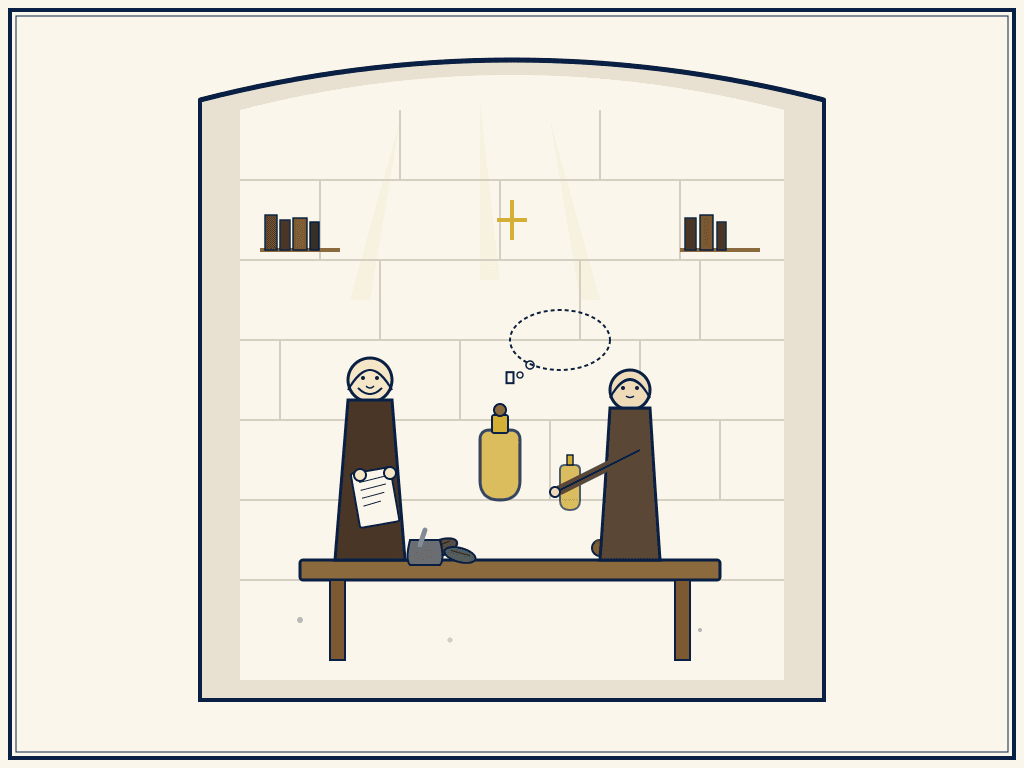
A Florentine friar has discovered a document in the pharmacy archives of an ancient convent describing a medicinal potion made from Bolivian coca leaves and kola nuts, according to the Guardian. The recipe, believed to date from the 19th century, also includes wine, and has prompted suggestions that it could be a precursor to Coca-Cola.
The document was found among the records of a convent pharmacy in Florence, a city whose religious institutions long served as centres of herbal and medicinal knowledge. The Guardian reports that the friar who unearthed it described the mixture as a fatigue-fighting elixir, a claim that resonates with the historical use of coca leaves as a stimulant in Andean traditions.
The discovery adds a Tuscan footnote to the global history of soft drinks, a story usually told through American commerce. It also highlights the region's role as a repository of botanical and pharmaceutical lore, where convent archives hold recipes that blur the line between medicine and commerce.
The Guardian's report, published on 30 July, notes that the recipe's combination of coca leaves and kola nuts mirrors the two key ingredients that later defined Coca-Cola, which was first marketed in the late 19th century as a patent medicine. The newspaper quotes the friar as saying the potion was likely intended to combat fatigue, a common ailment among the convent's residents and visitors.
For Florence, the find is a reminder of the city's deep archival wealth, where documents of this kind are not rare but often overlooked. The convent's pharmacy, like many in Tuscany, was part of a network of religious institutions that produced and dispensed remedies, drawing on ingredients from across the globe through trade routes that connected the Mediterranean to the Americas.
The comparison to Coca-Cola is speculative, the Guardian cautions, since the document does not prove any direct link to the American beverage. However, the elixir's existence suggests that the idea of combining coca and kola predates Atlanta by decades, and that Italian monastic pharmacies were experimenting with similar formulas.
The discovery has yet to be formally published or exhibited, but it has already drawn attention from historians of medicine and food. For Tuscany, it underscores how the region's heritage extends beyond art and architecture into the everyday science of the past, and how a single document can reframe a global story.