
MARCHE
Asian shoe factories diverge as European makers brace
Diverging growth in May signals shifting cost pressures for Marche's leather-goods districts amid global competition
Elena Marcheggiani412 wordsEdition №15Sunday, 14 June 2026 — Edition № 15
Two of Asia's largest athletic and outdoor footwear manufacturers reported sharply different growth trajectories in May 2026, according to SGB Media Online. Yue Yuen, one of the region's longest-serving makers, posted a mid-single-digit revenue decline for the month, while Feng Tay Enterprises saw revenues jump in the low teens—a reversal of April's pattern, when Yue Yuen had led growth. The divergence underscores the volatility now gripping global footwear supply chains as retailers reposition inventory and cost structures shift.
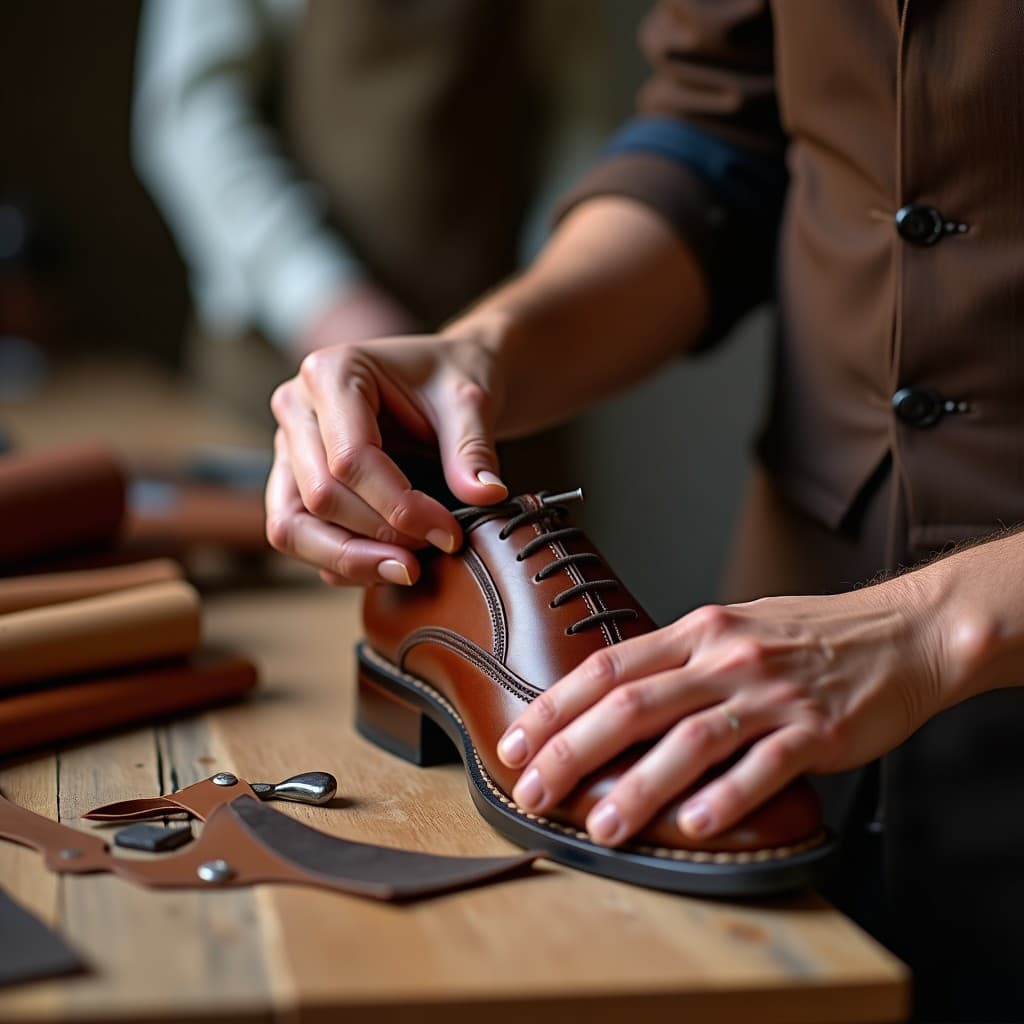
The split matters acutely for Marche's shoe and leather districts, which have long competed on craft and design rather than volume. Reuters and other foreign economic outlets have documented how Italian shoemakers—concentrated in the Pesaro, Civitanova and San Benedetto zones—have defended market share by emphasizing quality and heritage as Asian competitors chase scale. When major Asian factories stumble, as Yue Yuen did in May, European makers can gain margin room. When they surge, as Feng Tay did, the pressure on Italian export pricing intensifies.
The regional shoe sector employs roughly 8,000 workers across Marche and remains a pillar of the district model that has defined the region's post-war economy. Marche shoemakers export roughly 70 percent of output, making them sensitive to shifts in global demand and production costs. The May divergence suggests that no single Asian strategy now dominates; factories are competing on different terms, and European makers must read the market volatility carefully to maintain their positioning.
Feng Tay's low-teen growth in May came as it reported strong demand from athletic and outdoor brands seeking alternatives to Yue Yuen's capacity constraints or cost structure. Yue Yuen's decline has been attributed by industry analysts to softer demand in certain product categories and competitive pressure from smaller, more nimble competitors in Vietnam and Indonesia—a pattern that foreign trade press has tracked closely over the past two quarters.
For Marche, the lesson is familiar but urgent. Italian shoe districts have survived previous cycles of Asian competition by investing in design, flexibility and heritage positioning. But that strategy requires consistent access to premium-market customers and the pricing power to sustain higher labor and material costs. When Asian factories fragment—some growing, some contracting—the global buyer landscape becomes less predictable, and European exporters must work harder to defend their premium positioning.
The Marche shoe sector has already begun pivoting toward sustainability and bespoke production as differentiators. Foreign business press has reported on Italian shoemakers' investments in traceability and circular-economy credentials, moves that Asian volume producers have been slower to adopt. The May divergence in Asian performance may accelerate that shift, as European makers exploit the gap between commodity production and the premium segment where Italian heritage commands a margin.