
UMBRIA
GAS charts spring collection through Made in Italy denim as global symbol
The Umbrian denim house positions authentic Italian craftsmanship as the season's defining narrative.
Niccolò Mariani523 wordsEdition №20Friday, 19 June 2026 — Edition № 20
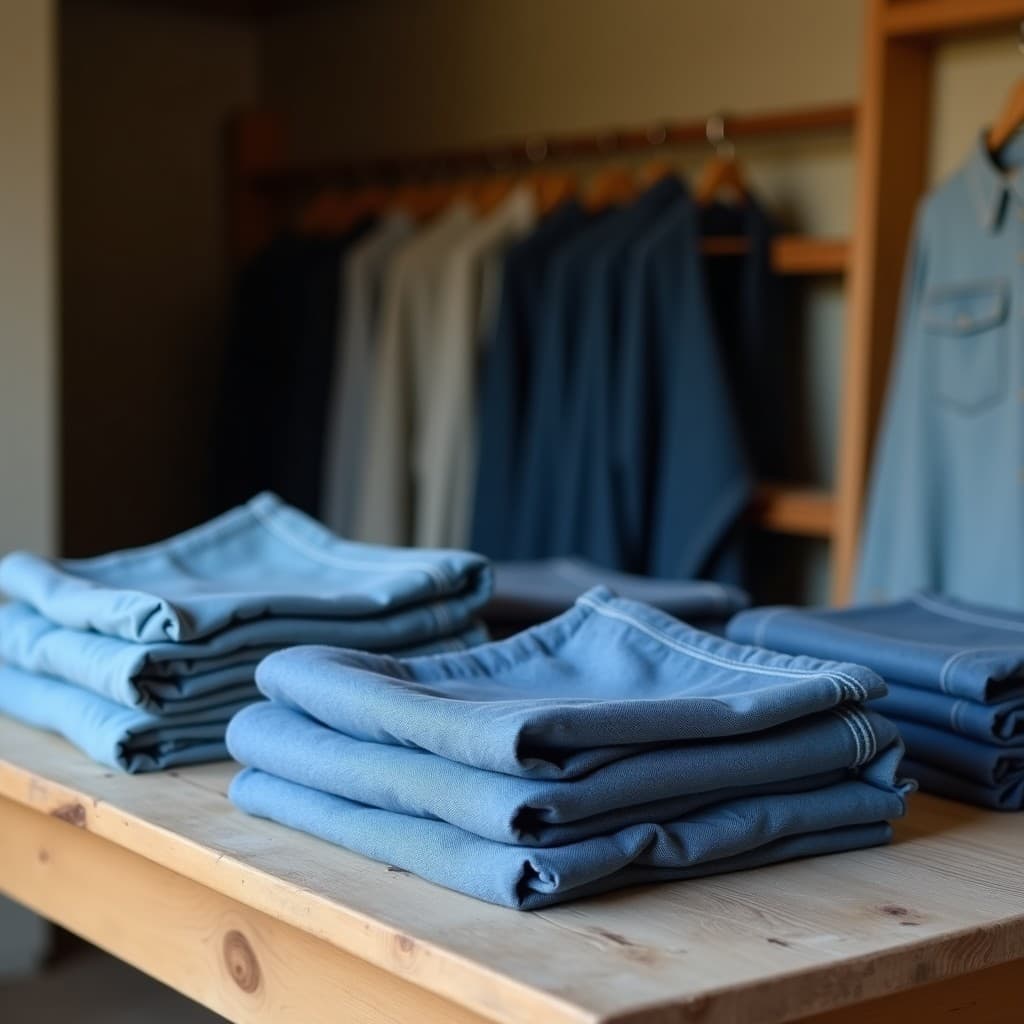
Fashion United reported that GAS's spring-summer 2027 collection builds a narrative through diverse summer destinations, each with its own aesthetic and attitude, from the refined approach of Saint-Malo to free-spirited, sunny sensibilities. The collection positions Made in Italy denim as "a new expression of authenticity," according to the brand's messaging. For a company based in Umbria—a region known for small-scale manufacturing, artisanal traditions, and resistance to mass production—the framing reflects a deliberate strategy: to position Italian denim production as the antithesis of disposable fashion.
The collection arrives as global fashion houses face mounting pressure to justify their supply chains and justify premium pricing in an era of economic uncertainty. Foreign fashion coverage has increasingly scrutinized the gap between luxury branding and actual production value, particularly in denim, where cheap imports dominate global markets. By centering Made in Italy as an identity rather than a label, GAS signals to international buyers that the collection's appeal rests on craft, durability, and the heritage of Italian textile production.
For Umbria's small manufacturing base, GAS's messaging carries broader weight. The region's economy depends on niche production—ceramics, textiles, food, small machinery—rather than volume. Foreign business correspondents covering Italian manufacturing have noted the tension between maintaining artisanal standards and competing globally against low-cost producers. GAS's strategy of marketing authenticity rather than price reflects how Umbrian manufacturers increasingly position themselves: as custodians of a particular way of making, not as competitors in a race to the bottom.
The spring-summer 2027 collection unfolds across multiple deliveries, according to Fashion United, with each release building on the season's narrative. This staggered approach—common among heritage fashion houses—allows for storytelling and media engagement across months rather than a single launch event. It also reflects supply-chain realities: Umbrian manufacturers, like most Italian textile producers, work on longer lead times than fast-fashion competitors, requiring planning and inventory management that mirror seasonal rhythms rather than weekly drops.
Foreign fashion media has increasingly covered Italian denim as a category distinct from global denim production. The distinction rests partly on technical factors—yarn quality, dyeing techniques, finishing—and partly on brand narrative. GAS's positioning of the collection as a "journey" through destinations suggests the company is marketing not just clothing but a lifestyle and a set of values: slowness, intentionality, connection to place. For Umbria, a region that has built tourism around festivals, heritage, and cultural tourism rather than mass-market attractions, this framing aligns with the region's broader identity in international coverage.