
NATIONAL
Genoa bridge CEO guilty; eight years on, infrastructure reckoning deepens
Former Atlantia chief sentenced to 12 years as court convicts 29 others in 2018 collapse that killed 43 and exposed Italy's maintenance crisis.
Marina Doria547 wordsEdition №54Thursday, 23 July 2026 — Edition № 54
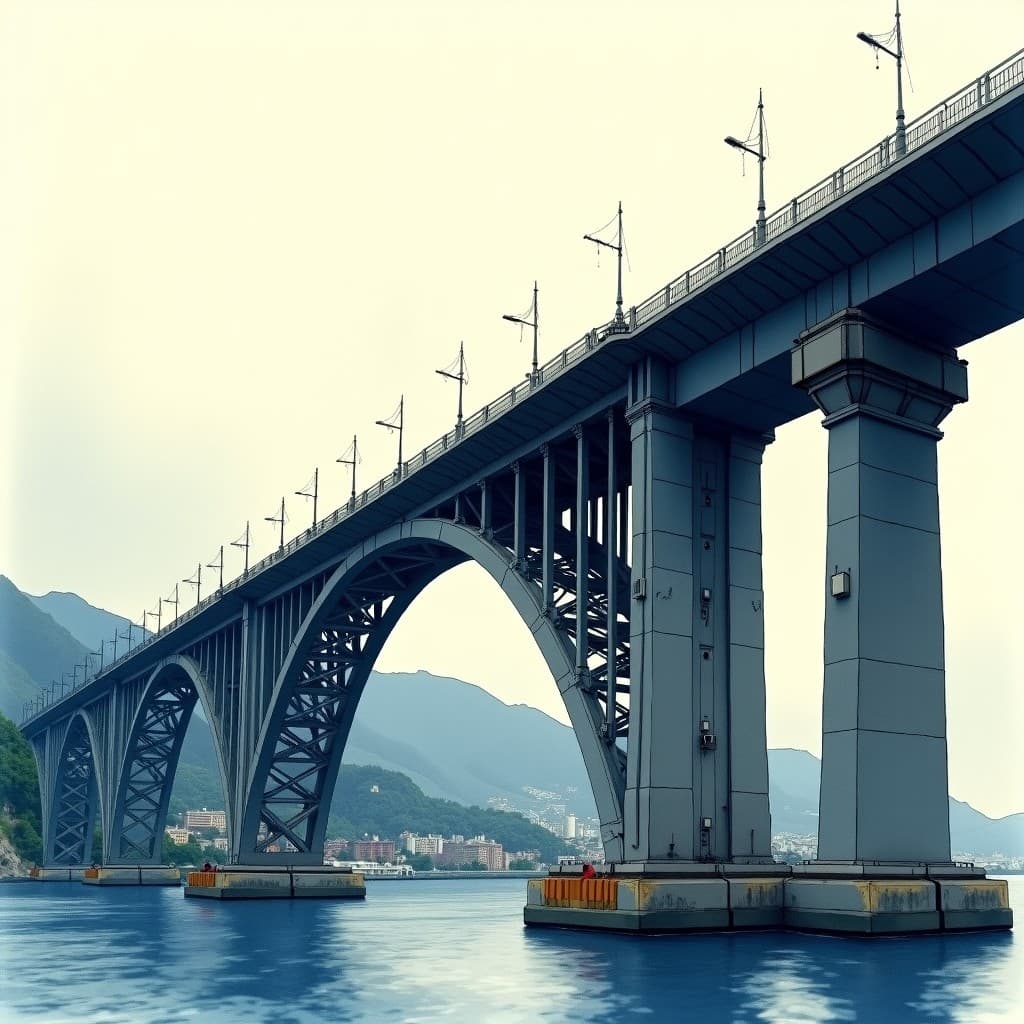
An Italian court on Thursday sentenced Giovanni Castellucci, former CEO of Atlantia, to 12 years in prison over the 2018 collapse of the Morandi motorway bridge in Genoa, according to CNN and the Associated Press. The court also convicted 29 others in connection with the disaster, which sent vehicles plunging to the ground on August 15, 2018. The verdicts mark the conclusion of one of Italy's largest criminal trials and come eight years after a tragedy that killed 43 people and exposed serious lapses in the maintenance of one of Europe's busiest transport corridors.
The bridge collapse, which occurred without warning on a summer afternoon, brought international scrutiny to Italy's ageing infrastructure and its management. Al Jazeera reported that the trial examined whether the tragedy could have been prevented, centring on the question of whether Atlantia and its subsidiary Autostrade per l'Italia had neglected their duty to maintain the structure. The Morandi bridge had been built in 1967 and was a critical artery for traffic moving through the port of Genoa and southward toward Tuscany and Rome.
For Genoa, a city whose economy depends on the smooth flow of goods through its port and along the motorway network that connects it to the rest of Italy and Europe, the collapse was not merely a tragedy but a blow to logistics. The port of Genoa handles roughly 2.7 million containers annually and relies on fast road access to inland distribution hubs. The disaster forced a painful reckoning: if a major bridge could fail without warning, what other critical infrastructure might be at risk? The conviction of Castellucci and others signals that the court found evidence of negligence in maintenance protocols and in the company's response to warning signs.
The verdict comes as Italy continues to grapple with the broader question of infrastructure investment and safety. According to Al Jazeera, the trial raised concerns about whether such failures could happen again, and whether the reforms undertaken since 2018 are adequate. The European Commission and international observers have repeatedly flagged Italy's infrastructure deficit as a drag on economic growth and a safety risk. For Liguria, which sits at the intersection of major European trade routes and depends on rapid connectivity to markets in the north and south, the implications are direct: ageing bridges, tunnels, and viaducts require sustained capital and rigorous oversight.
Castellucci's sentence and the convictions of other defendants represent a rare moment of accountability in Italian infrastructure management. However, the verdict does not immediately address the broader challenge facing the country: the cost of replacing or reinforcing thousands of kilometres of roads, bridges, and rail built in the post-war decades. The Port Authority of Genoa and the region's logistics sector have long pressed Rome for accelerated infrastructure spending. The Morandi trial, now concluded, may serve as a reminder that neglect carries a price measured in lives—and in the competitiveness of one of Italy's most important economic regions.