
ECONOMY
Norfolk's deepening spurs Genoa to confront its own channel limits
As US port completes $450M dredging, Italy's largest harbour faces growing pressure to compete for deep-draft container ships
Marina Doria437 wordsEdition №22Sunday, 21 June 2026 — Edition № 22
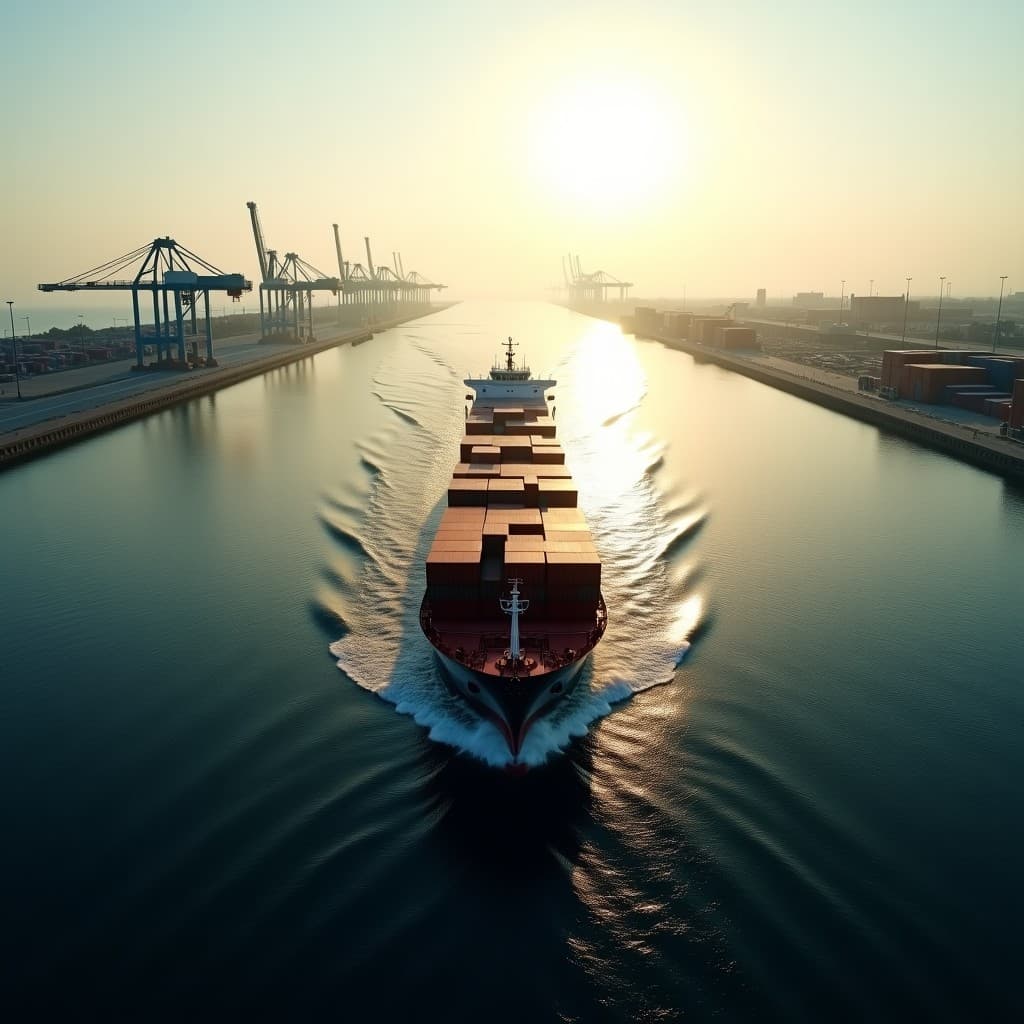
Norfolk Harbour, on the US East Coast, has just inaugurated the deepest commercial shipping channel in America, a milestone that underscores a widening divide in port infrastructure between the Atlantic and the Mediterranean. The Maritime Executive reported on Friday that Virginia Gov. Abigail Spanberger inaugurated the project at Norfolk International Terminals, positioning the port to handle the largest modern container vessels without tidal restrictions.
For the Port of Genoa, Europe's busiest container terminal and Liguria's economic anchor, the Norfolk completion raises an uncomfortable question: can Italy's largest harbour keep pace with the global dredging race that now defines competitive advantage in containerised shipping. The Genoa waterfront handles roughly 2.7 million TEUs annually, but its main channel depth remains a constraint on the largest post-Panamax and Neo-Panamax vessels that increasingly dominate the Asia-Europe trade.
The strategic implication ripples across the Mediterranean. Deeper channels mean larger ships can call without waiting for tidal windows, cutting transit costs and improving schedule reliability. Norfolk's new capacity signals that American ports are willing to spend heavily to capture the container traffic that feeds the continental interior. Genoa's position as the gateway to the Milan-Turin industrial corridor makes such depth investments strategically vital to Italian logistics, yet sustained dredging projects require both capital and the environmental permissions that Italy's regulatory framework has historically made laborious.
According to the Maritime Executive, Norfolk's project has made Virginia home to the deepest commercial shipping channel on the US East Coast. The completion comes as European ports face mounting pressure from climate change, which is altering shipping patterns and forcing operators to route larger vessels through deeper waters. Rotterdam, Europe's largest port, has itself undertaken successive deepening campaigns; Hamburg and Antwerp have followed similar strategies.
For Genoa, the foreign press has noted that infrastructure investment in Italian ports has lagged behind northern European counterparts. The BBC and Reuters have periodically highlighted Italy's ageing port infrastructure as a drag on trade competitiveness, particularly as the country's share of Mediterranean container traffic has fluctuated. The Port of Genoa Authority has periodically proposed deepening work, but such projects typically face environmental scrutiny from the Ligurian coast's conservation constituencies and require coordination with Rome's budget priorities—a process that has historically moved more slowly than the investment cycles of competing ports.
The Norfolk project's scale—$450 million for a single deepening campaign—also reflects the capital intensity of modern port infrastructure. Genoa's annual container throughput, while substantial, is dwarfed by the investment budgets of Chinese and Middle Eastern ports. European ports are increasingly competing not just with each other but with newer, purpose-built facilities in the Gulf and Asia that have been designed from inception for the largest modern vessels. The question facing Genoa is whether Italy's fiscal constraints and infrastructure governance will permit the sustained capital programme that depth competition now demands.