
LIGURIA
Genoa eyes deeper channels as US rivals deepen competitive edge
Norfolk's $450 million dredging project sets new standard for East Coast shipping; Liguria's port faces pressure to modernise infrastructure
Marina Doria412 wordsEdition №27Friday, 26 June 2026 — Edition № 27
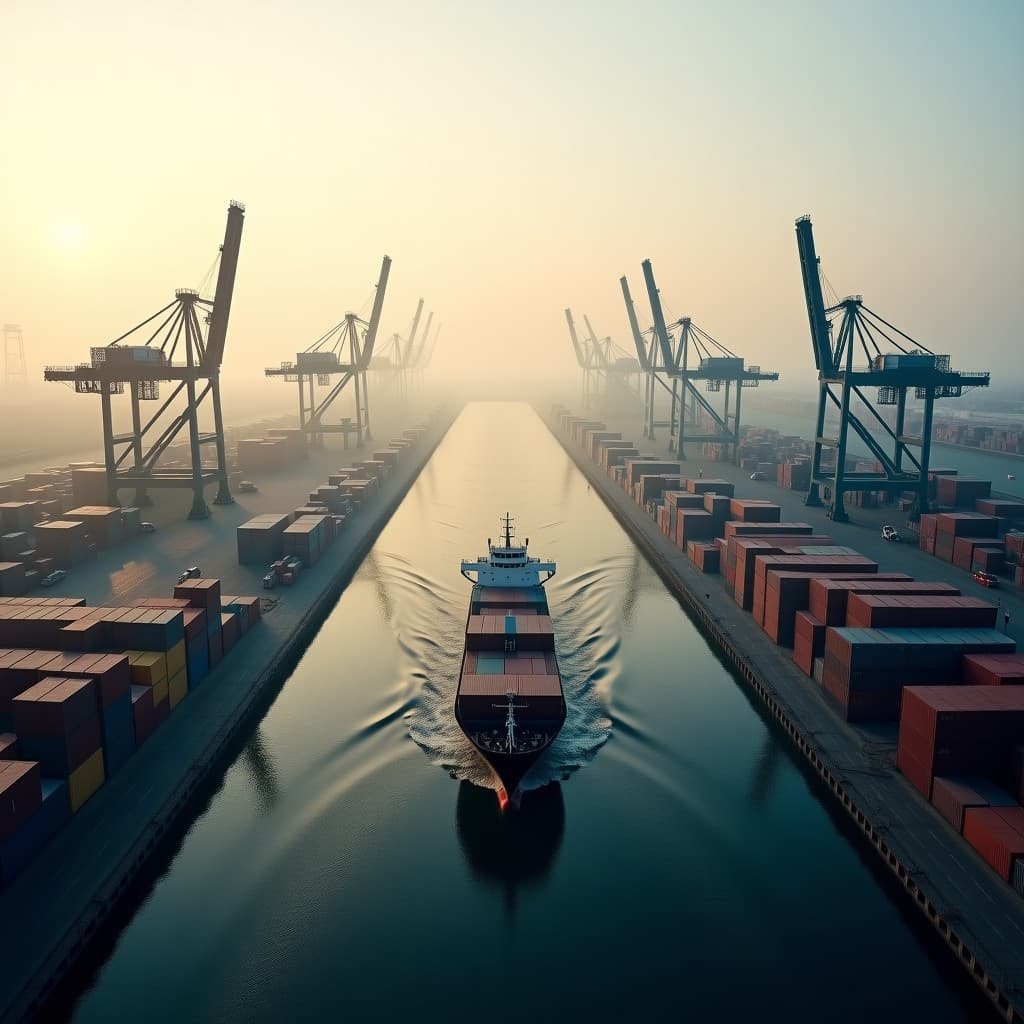
The Port of Virginia inaugurated the deepest commercial shipping channel on the US East Coast this month following a $450 million dredging project, according to The Maritime Executive. The achievement underscores a widening infrastructure gap between Europe's aging Mediterranean ports and newer American facilities built to handle the largest container ships and bulk carriers. Genoa, Italy's busiest port and the gateway to northern European trade, operates under depth restrictions that limit the size of vessels it can accommodate at full capacity.
For Liguria's logistics sector, the Norfolk milestone represents a competitive challenge. Modern container ships and bulk carriers increasingly favour ports with deeper natural or dredged channels, allowing them to load to maximum capacity and reduce per-unit shipping costs. Genoa's current constraints mean some of the world's largest vessels must either call at other Mediterranean hubs or arrive only partially loaded. The port's throughput, already competing against rivals in Spain and France, faces additional pressure from deepwater facilities now operating on both the US East and West coasts.
Dredging projects of this scale require sustained public investment and political will. The Norfolk project took years to complete and required sustained federal funding. Genoa's expansion plans, discussed periodically in Italian infrastructure debate, have struggled to advance at comparable pace, according to international shipping analyses. Without modernisation, Liguria risks losing market share to ports better equipped to serve the container ships and tankers that define 21st-century maritime trade.
The strategic context extends beyond Genoa alone. Across the Mediterranean, ports in Spain, Greece and Turkey have undertaken or are planning significant dredging and deepening projects. Barcelona, Valencia and Piraeus have all invested heavily in infrastructure to compete for the largest vessels and the cargo volumes they carry. The EU has identified port modernisation as critical to European competitiveness, yet funding remains fragmented and national budgets constrained.
Genoa's position as a northern European gateway—connected by rail and road to Switzerland, Austria and Germany—gives it structural advantages that deeper channels alone cannot replicate. However, that advantage erodes if the port cannot physically accommodate the vessels that serve those markets. The Riviera's tourism economy, which depends partly on cruise operations and yachting infrastructure, also benefits from modern port facilities, though cruise traffic operates under different constraints than cargo shipping.
The Norfolk project signals that ports willing to invest heavily in deepwater infrastructure can capture disproportionate market share. For Liguria, the message is clear: modernisation is not optional for ports seeking to remain competitive in global trade flows.