
LIGURIA
Wind-assisted cargo ships reshape maritime logistics as DHL pilots green shift
French shipping firm's high-tech catamaran signals industry move away from fossil fuels; implications for Genoa's container trade
Marina Doria428 wordsEdition №31Tuesday, 30 June 2026 — Edition № 31
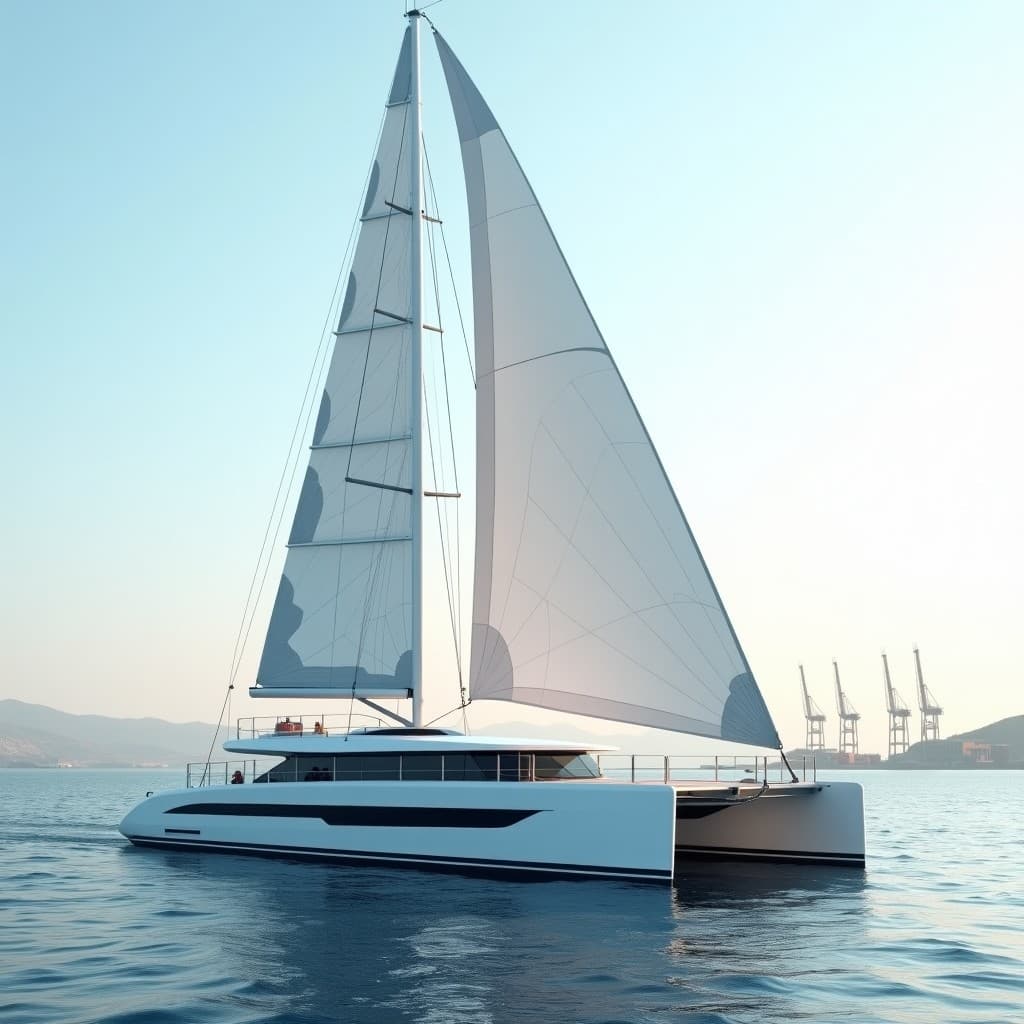
Wind power is making a comeback in maritime shipping, with the French firm VELA Transportation and DHL—a global logistics giant—now piloting high-tech cargo-bearing catamarans designed to cut fuel consumption and emissions. According to CleanTechnica, DHL's French branch has placed a stake on wind power as part of a broader vehicle electrification journey. The move signals a shift in how the industry approaches decarbonization, moving beyond battery-electric solutions for smaller vehicles to wind-assisted designs for oceangoing cargo ships.
For Genoa, Europe's busiest container port and a critical node in Mediterranean logistics, the implications are substantial. Ports are beginning to compete not just on throughput and infrastructure but on their ability to accommodate and incentivize lower-emission shipping. A container line equipped with wind-assist technology requires different berth configurations, electrical infrastructure for auxiliary power, and potentially revised cargo-handling schedules to maximize wind windows. Genoa's port authority has been investing in electrification at berths and shore-power systems, positioning the port to welcome next-generation vessels as they enter service.
The economics remain uncertain. Wind-assisted cargo catamarans carry less cargo than conventional containerships of equivalent length, a trade-off that only makes sense if fuel savings and potential carbon credits offset the lost volume. For now, VELA's vessels represent a niche experiment. However, as European Union regulations tighten emissions standards for shipping and as fuel costs remain volatile, the incentive to pilot such technologies grows stronger.
Genoa's role in this transition depends partly on how quickly such vessels proliferate. If wind-assisted designs prove commercially viable and begin to replace a significant share of conventional tonnage calling at Mediterranean ports, Genoa will need to adapt its berth allocation, crane positioning, and cargo-planning software to accommodate vessels with different profiles and potentially different dwell times. The port's existing modernization investments in automation and electrification align with these requirements, but a rapid shift would demand capital reallocation.
The broader context is the maritime industry's struggle to meet decarbonization targets. Shipping accounts for roughly three percent of global carbon emissions, and the International Maritime Organization has set ambitious targets for emissions reductions by 2050. Wind-assist technology, combined with alternative fuels and hull efficiency improvements, represents one pathway. However, the technology is still in early commercial stages, and widespread adoption will require not just technical viability but regulatory incentives and customer demand.
For Genoa's logistics ecosystem, the shift toward lower-emission shipping also affects truck traffic to and from the port. If cargo dwell times increase due to slower wind-assisted passages or different scheduling, warehouse and trucking operations will need to adjust inventory management and delivery windows. Conversely, if wind-assist vessels eventually reduce operating costs, shipping lines may increase frequency, boosting overall cargo throughput and, with it, the regional trucking and logistics load.