
LIGURIA
Genoa shippers hold course as global sea lanes tighten
Port logistics firms watch Hormuz deal with measured skepticism as sanctions reshape Mediterranean trade routes
Marina Doria445 wordsEdition №18Wednesday, 17 June 2026 — Edition № 18
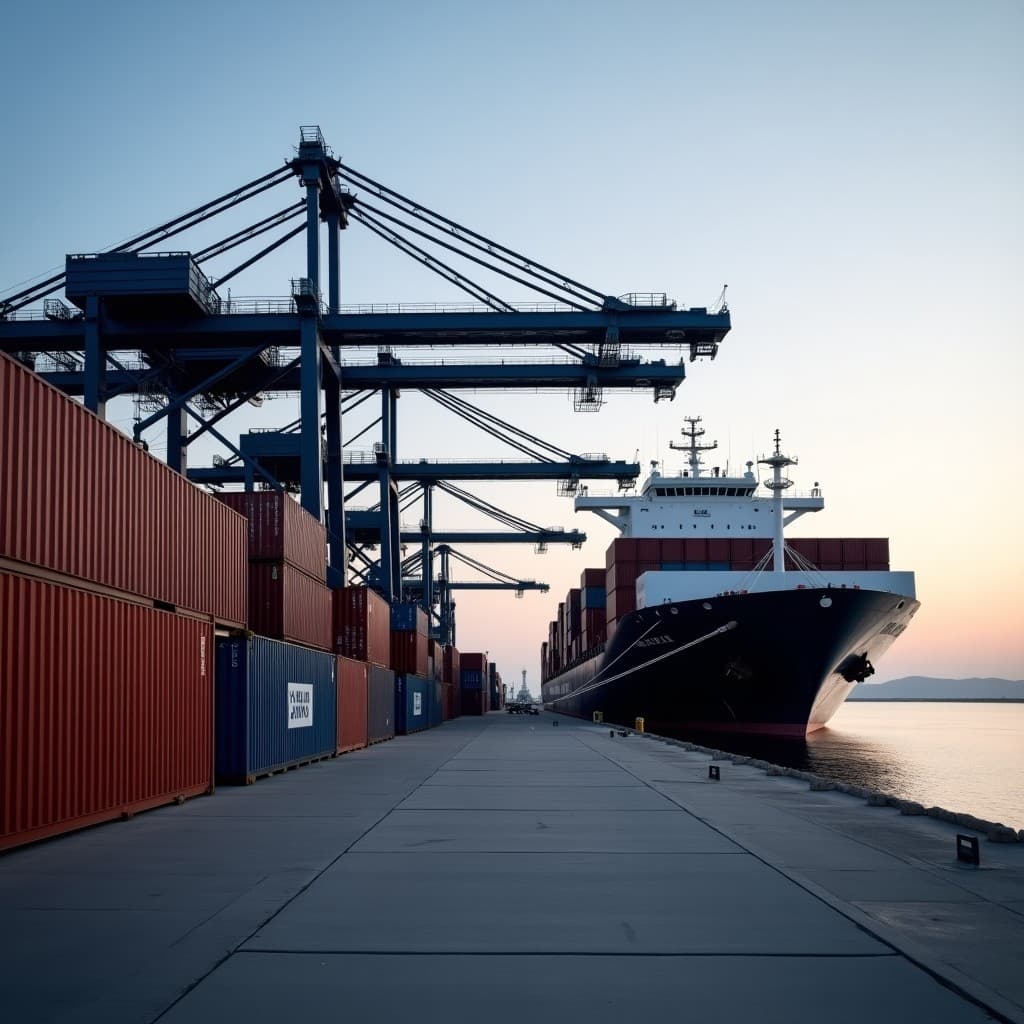
Mediterranean shipping houses are tracking geopolitical shifts with the wariness of captains reading an uncertain horizon. Reuters reported on Monday that shippers in Asia and Europe remain cautious about resuming transit through the Strait of Hormuz despite a US-Iran agreement, with confidence in the passage still fragile weeks after the deal was struck. The hesitation reflects broader anxiety in the sector about sanctions enforcement and the unpredictability of sea routes that feed Italian ports.
For Genoa, Europe's second-busiest container terminal, the caution matters acutely. The port handles roughly 2.6 million containers annually and depends on steady flows from Asia through the Middle East and Suez Canal. When shippers lose confidence in a corridor—whether through sanctions risk, insurance uncertainty, or political volatility—they reroute, delay shipments, or absorb higher costs. Those costs ripple through Italian supply chains and the port's throughput.
The European Council has compounded the uncertainty. Maritime Executive reported this week that the EU sanctioned 24 shipping companies, including those linked to Gazprom and Lukoil, for supporting Russia's war in Ukraine. The sanctions extend to shadow fleet operators—vessels renamed and reflagged to evade restrictions—a tactic that has muddied the legal and insurance landscape for legitimate carriers. Britain seized its first shadow fleet tanker, the Smyrtos, reinforcing enforcement. For Genoa's shipping agents and freight forwarders, the effect is a thickening compliance burden and the need to verify counterparties with new rigor.
The broader pattern is one of fragmentation. Routes that once moved cargo predictably now carry geopolitical friction. Shippers told Reuters they are waiting for more data on Iranian compliance and US enforcement before committing large volumes to Hormuz transit. Some are exploring alternatives—longer passages around Africa, increased reliance on Mediterranean and Black Sea corridors, or simply stockpiling goods closer to European ports to reduce exposure. None of these options favour Genoa's efficiency or speed.
The port's competitive position depends partly on its role as a gateway for Asian goods entering Europe via the Suez-Mediterranean axis. Delays in that pipeline, or shifts toward alternative European entry points, hollow out the advantage Genoa has built over decades. Port authority officials and terminal operators are watching the Hormuz situation closely, but they have little leverage. Their job is to handle the cargo that arrives; the routing decisions belong to shippers responding to risk signals the geopolitical order is sending.