
LIGURIA
Global shipping safety surges despite war risks, shadow fleet threats
Insurance data shows dramatic improvement over decade even as political instability reshapes industry planning
Marina Doria414 wordsEdition №30Monday, 29 June 2026 — Edition № 30
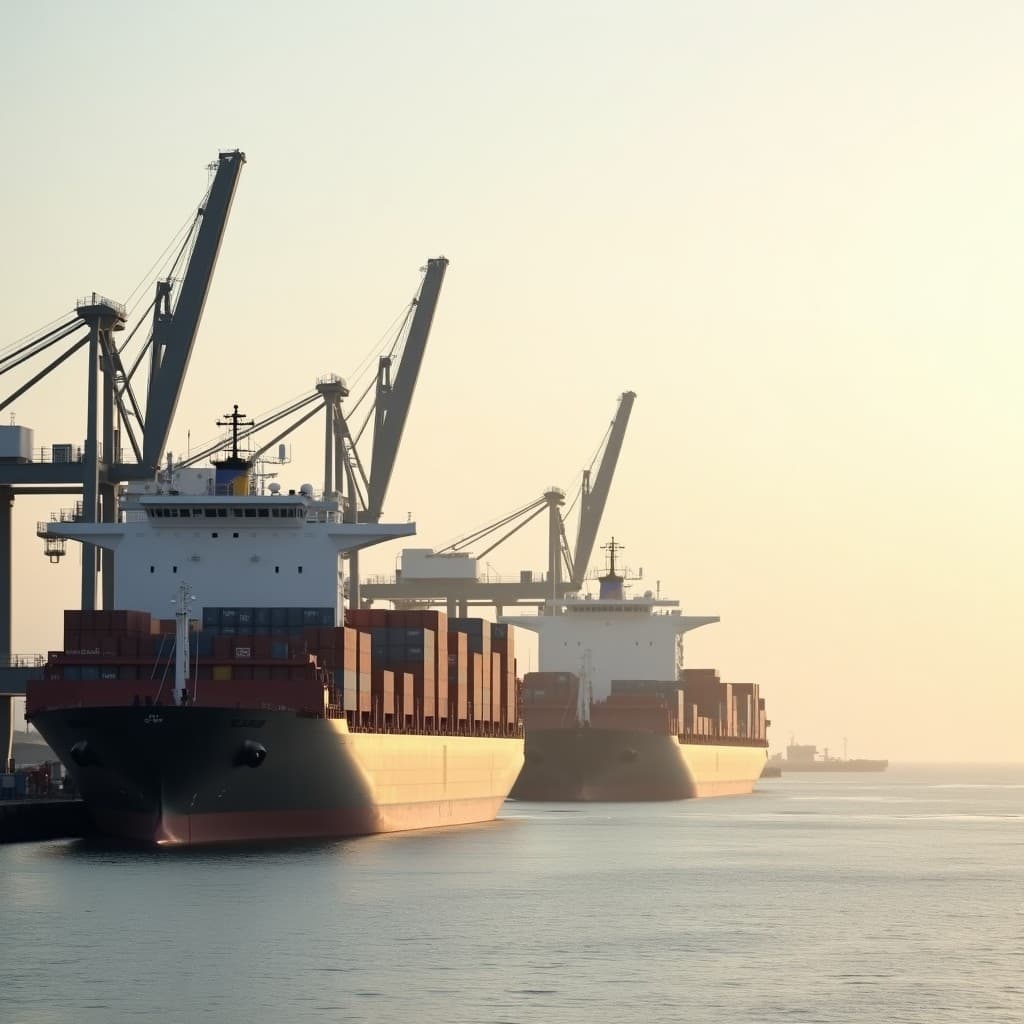
The global shipping industry achieved a significant safety milestone in 2025, with fewer than 43 total claims—less than one per week—according to data from Allianz cited by the Maritime Executive. The figure represents a dramatic improvement over the past decade, marking a fundamental shift in how the world's largest cargo ports, including Genoa, manage risk and liability. The gains come despite heightened geopolitical tensions and the rise of the "shadow fleet"—older, poorly-maintained vessels operating outside mainstream regulatory oversight.
For Genoa, Europe's busiest container port and a critical node in Mediterranean trade, the safety trend carries operational weight. Improved claims performance suggests tighter vessel standards, better crew training, and more reliable insurance frameworks across the container and breakbulk traffic that flows through the terminal. The data underscores that modern shipping, despite its vulnerabilities to war risk and rogue operators, has become measurably safer in routine operations—a foundation that allows port authorities to focus on managing emerging threats rather than endemic safety failures.
The Maritime Executive noted that the shadow fleet—vessels operating without transparent ownership, maintenance records, or regulatory compliance—remains a persistent threat despite the overall safety gains. These ships, often used to circumvent sanctions or evade environmental standards, represent a growing share of global tonnage. For Genoa's port operators and Italian maritime authorities, the shadow fleet poses both a commercial and a reputational risk; vessels with poor maintenance records or unclear liability chains can disrupt supply chains and expose the port to environmental or safety incidents.
The broader context matters for Liguria's logistics economy. Political instability is reshaping how shipping companies plan investments and operations, according to a separate report from the International Chamber of Shipping cited by Seatrade Maritime News. Senior maritime leaders surveyed in that study identified political risk as the greatest threat to the industry—and the one they feel least equipped to manage. For a port dependent on stable, predictable trade flows, this uncertainty compounds the operational challenge of managing an increasingly bifurcated fleet: modern, efficient vessels meeting stringent standards alongside aging, opaque operators trying to avoid them.
Genoa's position as a gateway to northern European markets means the port absorbs both trends. Improved safety among mainstream carriers reduces insurance costs and liability exposure for port operations; the shadow fleet, by contrast, introduces unpredictability and potential regulatory entanglement. The data suggests the industry is moving toward a two-tier model: a highly regulated, transparent mainstream sector and a riskier periphery. Port authorities will need to monitor this divergence carefully, particularly as decarbonization and sanctions enforcement tighten standards further.