
FRIULI-VENEZIA GIULIA
Vingegaard seals Giro dominance with Piancavallo stage win
Danish cyclist's solo victory in Friuli stage puts Tour de France double within reach
Sergio Madrussan1,389 wordsEdition №5Friday, 5 June 2026 — Edition № 5
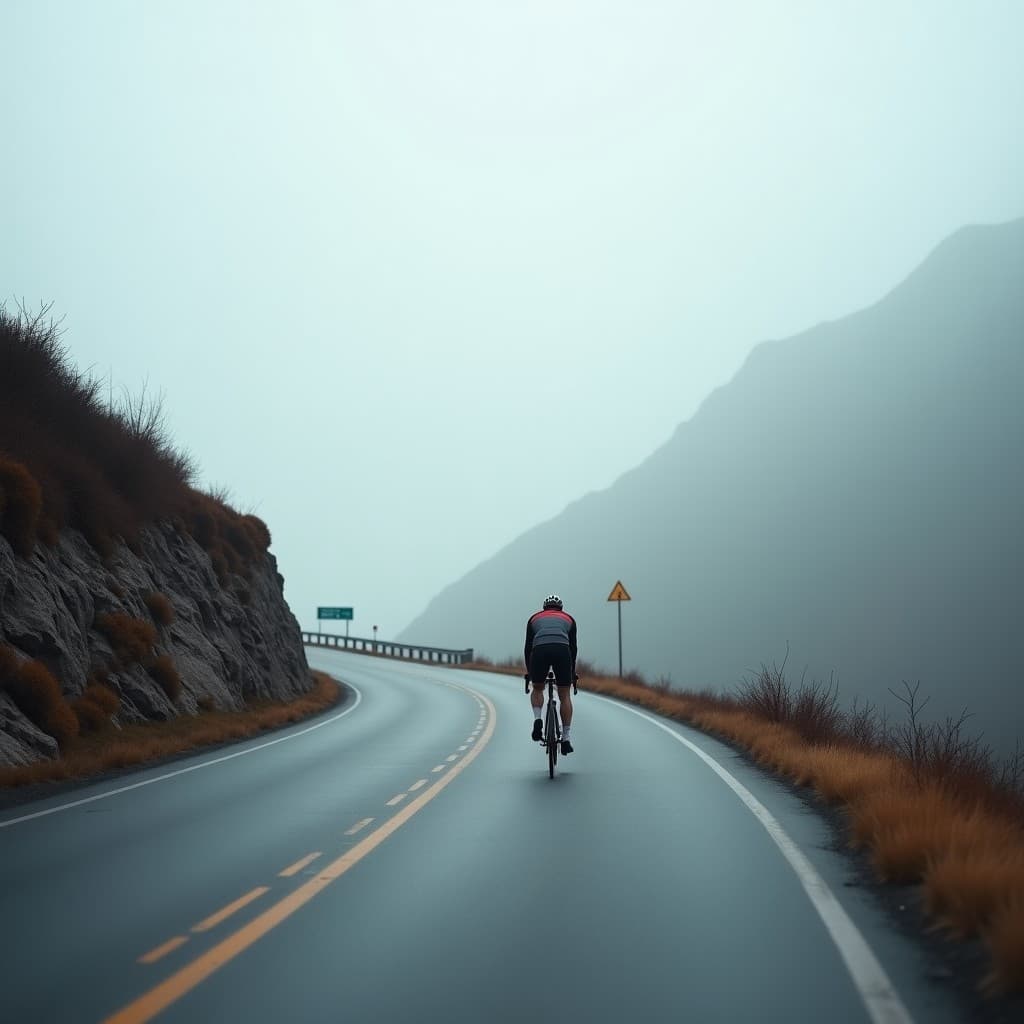
Jonas Vingegaard of Team Visma–Lease a Bike won stage 20 of the Giro d'Italia on May 30, attacking solo on the climb to Piancavallo and extending his overall lead. According to Reuters and the Washington Post, the Danish cyclist's dominant performance in the mountain stage has put him on the verge of winning his first Giro title, with only the final time trial remaining. The victory also advances Vingegaard's bid to become the ninth male cyclist to complete the Giro-Tour de France double in a single season.
The stage route from Gemona del Friuli to Piancavallo ran through the heart of the Friuli-Venezia Giulia region, placing the Giro's climactic mountain stages on roads that local riders and cycling fans know intimately. Piancavallo, a 12-kilometre climb in the Carnic Alps, is a storied finish in Italian cycling—steep, exposed, and unforgiving. Vingegaard's solo victory there, with no serious rival able to follow his attack, underscored the margin of his superiority in this year's race.
For the region, the Giro's passage through Friuli brings international attention to local roads and landscapes. The stage start in Gemona del Friuli, a town of roughly 11,000 people in the foothills north of Udine, saw the race caravan and media presence that accompanies the Giro's mountain phases. Such visibility has long been a draw for the region's tourism and cycling communities, even as the Giro itself has become increasingly dominated by non-Italian winners.
Vingegaard's stage victory on May 30 was his second major win in this year's Giro, cementing his status as the race's strongest climber. According to Reuters, he attacked on the Piancavallo climb and rode alone to the finish, extending his overall advantage over his nearest rival. The Washington Post noted that the victory puts Vingegaard within striking distance of the overall title, with only the final individual time trial on June 1 remaining—a discipline in which he is also expected to excel.
The Giro d'Italia has been held annually since 1909 and remains one of cycling's three Grand Tours, alongside the Tour de France and the Vuelta a España. The race is owned by RCS MediaGroup, an Italian media company, and is broadcast globally. In recent decades, the Giro has increasingly been won by non-Italian cyclists, reflecting the internationalisation of professional cycling and the dominance of wealthy Northern European teams with large budgets and sophisticated support systems.
Vingegaard rides for Team Visma–Lease a Bike, a Dutch-registered outfit with significant backing from Visma, a Dutch software company, and Lease a Bike, a Dutch bike-sharing firm. The team has become one of cycling's most successful outfits, with a track record of developing and supporting elite climbers. Vingegaard joined the team in 2021 and has since won the Tour de France twice (2022 and 2023) before stepping back from cycling in 2024 and 2025 due to injuries sustained in a crash. His return to racing in 2026 and his dominant performance in the Giro suggest a full recovery.
The Giro-Tour de France double—winning both races in a single calendar year—is one of cycling's rarest achievements. Only eight male cyclists have completed it: Eddy Merckx (1974), Bernard Hinault (1986), Stephen Roche (1987), Miguel Indurain (1992 and 1993), Marco Pantani (1998), Alberto Contador (2010), Vincenzo Nibali (2013), and Egan Bernal (2019). If Vingegaard wins the Giro and then the Tour de France in July, he will join that exclusive list and cement his legacy as one of cycling's greatest stage racers.
For the Friuli-Venezia Giulia region, the Giro's presence on local roads is a matter of regional pride and economic interest. The stage from Gemona del Friuli to Piancavallo drew spectators from across the region and beyond, filling roadside viewing spots and local hotels. The Carnic Alps, where Piancavallo sits, are a popular cycling destination for amateur riders and tourists, and the Giro's passage through them reinforces the region's identity as a cycling heartland.
The route also reflects the Giro's historical geography. The race typically starts in the south and progresses northward, with the final mountain stages in the Alps. The Friuli-Venezia Giulia region sits at the northeastern edge of Italy, bordering Slovenia and Austria, and the Carnic Alps form part of the natural boundary between Italy and Central Europe. The Giro's routing through these mountains connects Italian cycling culture to the broader Alpine cycling tradition that spans Austria, Switzerland, and France.
Vingegaard's dominance in the mountains also highlights a shift in cycling's power dynamics. The Giro has historically been dominated by Italian riders or by cyclists from nearby countries like Spain and France. In recent years, however, Scandinavian and Northern European riders have become increasingly competitive in the Grand Tours, reflecting both the wealth and organisational sophistication of Northern European teams and the globalisation of professional cycling recruitment.
The final time trial on June 1 will be held on a course that has not yet been publicly detailed in the foreign press coverage available to La Veduta. However, given Vingegaard's dominance in both mountain stages and time trials, and his current overall lead, the outcome appears largely settled. His victory in the Giro would represent a significant achievement in his comeback season and would set him up as the favourite for the Tour de France in July.
For Italian cycling, Vingegaard's dominance in the Giro is a reminder of the sport's internationalisation. The race remains an Italian institution, owned and operated by Italian media, and deeply embedded in Italian cycling culture. Yet the winners are increasingly foreign, and the teams that dominate are increasingly based outside Italy. This reflects broader trends in European sport and business, where Italian institutions compete in a global marketplace and must attract international talent and investment to remain competitive.
The Giro's passage through Friuli also underscores the region's geographic position at the intersection of Italian and Central European cycling cultures. The Carnic Alps are a training ground for cyclists from across the region, and the roads that Vingegaard rode on May 30 are familiar to local amateurs and professionals alike. The international attention that the Giro brings to these roads and landscapes is a form of soft power that benefits the region's tourism and cycling industries.
Vingegaard's likely victory in the Giro will also have implications for the Tour de France in July. If he wins both races, he will enter the pantheon of cycling's greatest stage racers and will have demonstrated a level of consistency and dominance that few cyclists achieve. His performance in the Giro also suggests that the Tour de France, traditionally considered the most prestigious of the three Grand Tours, will be highly competitive and potentially dominated by a single rider.
The cycling calendar for 2026 is shaping up to be dominated by Vingegaard and Team Visma–Lease a Bike. If the Danish cyclist wins the Giro and the Tour de France, the team will have achieved a level of dominance that is rare in professional cycling. Such dominance can be good for the sport's global profile but can also make races less suspenseful and less interesting to casual viewers. The Giro's outcome, however, is not yet certain, and the final time trial on June 1 will provide the official confirmation of Vingegaard's victory.