
TOSCANA
Gormley's cardboard quest arrives in San Gimignano
British artist's first work in the material opens dialogue between body and landscape in a Tuscan hill town
Costanza Bardi317 wordsEdition №15Sunday, 14 June 2026 — Edition № 15
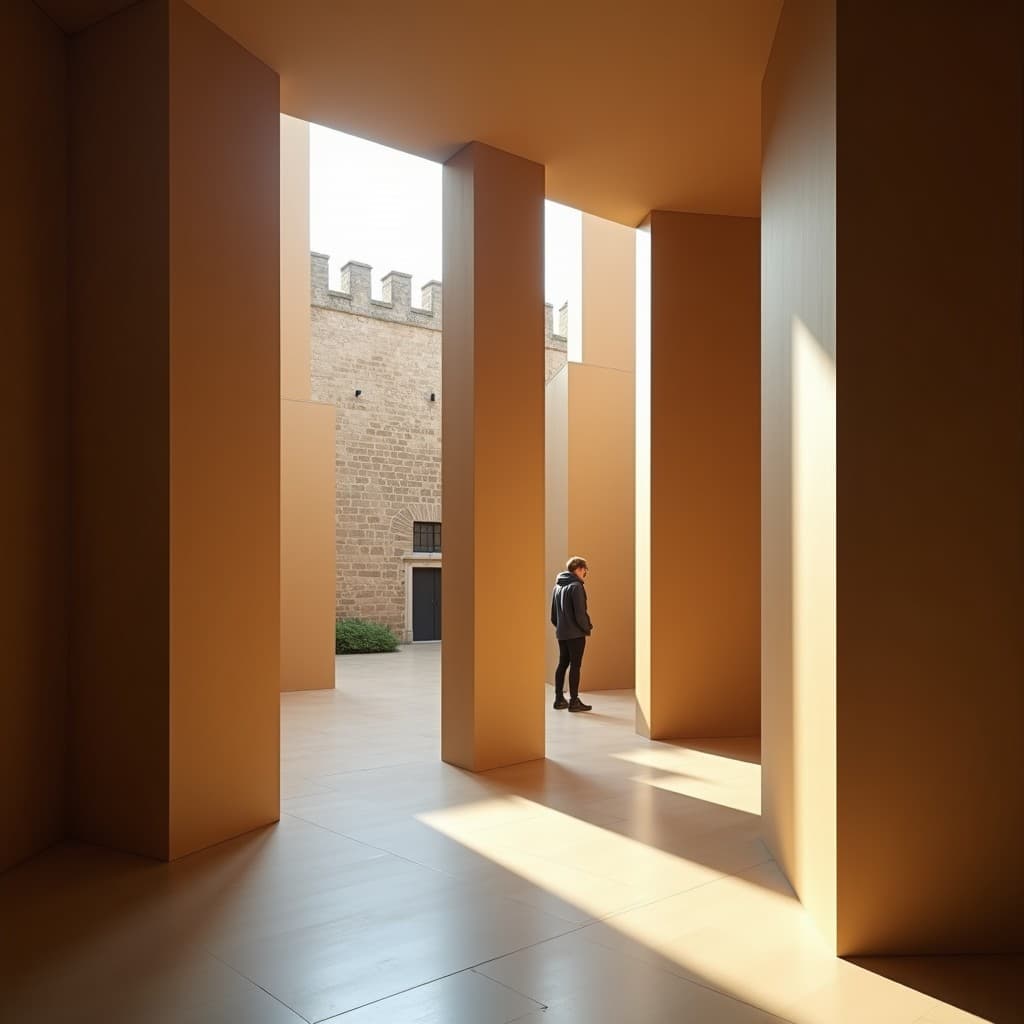
The British artist Antony Gormley, known for monumental public works such as the Angel of the North in Gateshead and Event Horizon in New York, has opened an exhibition titled "What Holds Us" at Galleria Continua in the Tuscan hill town of San Gimignano. The centerpiece is "Innercity", described by Forbes as one of the most immersive works Gormley has created and the first time he has worked in cardboard. The installation marks a shift in approach for an artist whose practice has long explored the relationship between the human body and space.
According to Forbes, Gormley's use of cardboard represents a deliberate quest to reconnect viewers with the physical world. The material choice, humble and temporary by nature, stands in contrast to the permanence of his earlier bronze and cast-iron works. The exhibition invites visitors into a dialogue between their own bodies and the landscape—a conversation that unfolds within the confines of San Gimignano's medieval walls, where tourism and heritage preservation have long existed in uneasy tension.
The arrival of Gormley's work in Tuscany signals a broader pattern in how international contemporary art engages with Italy's postcard villages. San Gimignano, with its fourteen towers and UNESCO World Heritage status, has become a destination for major installations and exhibitions. The town's galleries and institutions have positioned themselves as venues for serious artistic practice, even as visitor numbers strain the town's infrastructure and threaten the everyday life of its residents. Gormley's choice to exhibit here, and to use a material that speaks to impermanence and fragility, suggests a different reading of the relationship between art, landscape and the people who inhabit these places.