
SARDEGNA
Great White Shark Filmed Between Tunisia and Sicily
Rare Mediterranean encounter raises questions about apex predator recovery in waters near Sardinia
Gavino Sanna1,247 wordsEdition №10Wednesday, 10 June 2026 — Edition № 10
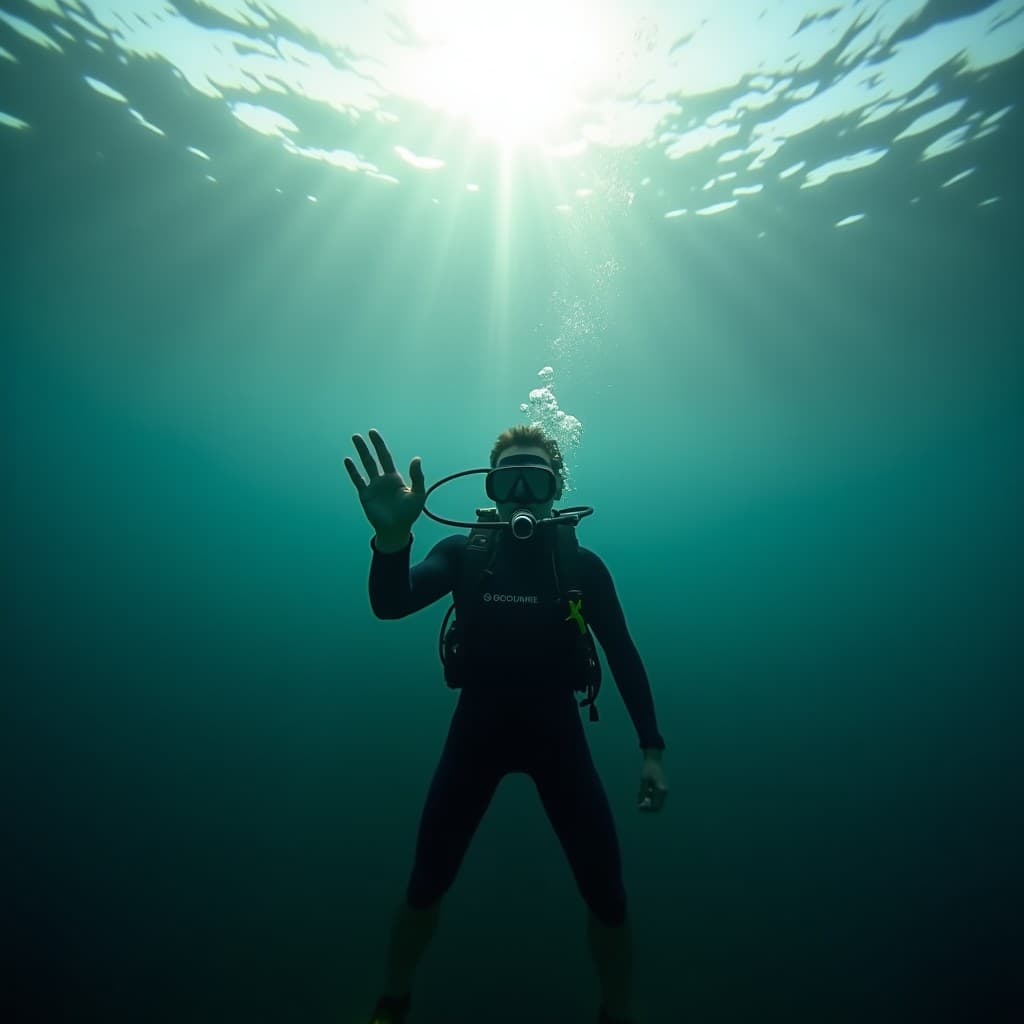
A volunteer diver has filmed an encounter with an endangered Great White shark in Mediterranean waters between Tunisia and Sicily, according to the BBC. The footage, described by the diver as a moment that left him shaking, documents a rare sighting of a species that has become increasingly uncommon in European seas. The encounter underscores the unpredictable presence of apex predators in waters that Sardinia shares with North Africa and the wider Mediterranean basin.
Great White sharks have historically inhabited the Mediterranean, but their numbers have declined sharply over decades due to overfishing, habitat loss, and the targeting of large predators. The BBC's report does not specify the exact location of the sighting or provide details about the shark's size or behaviour, but the rarity of such footage suggests that encounters remain exceptional events in a sea where the species was once more common.
For Sardinia, the sighting carries both ecological and economic weight. The island's tourism industry, particularly along the Costa Smeralda and other coastal zones, depends on perceptions of safe bathing and diving. At the same time, marine conservationists view the presence of apex predators as a sign of ecosystem health. The appearance of a Great White in waters adjacent to Sardinian territory raises questions about the broader recovery of Mediterranean marine life and the island's role in monitoring and protecting endangered species.
The Mediterranean has undergone profound ecological change over the past century. Great White sharks, once a regular presence in these waters, were hunted systematically throughout the 20th century as fisheries expanded and as the species was perceived as a threat to commercial operations and human safety. By the early 2000s, sightings had become so rare that many marine biologists considered the Great White functionally absent from the Mediterranean, surviving only in isolated pockets or as occasional visitors from the Atlantic.
In recent years, however, there have been scattered reports of Great White sightings across the Mediterranean, from the Adriatic to waters off Spain and North Africa. These encounters have generated significant international attention, partly because they suggest that the species may be recovering in some regions, and partly because they challenge long-held assumptions about the Mediterranean's capacity to support large predators. The BBC's documentation of the recent sighting between Tunisia and Sicily adds to this emerging pattern, though the outlet provides limited detail about the circumstances or the shark's origin.
Sardinia sits at a crossroads in this story. The island's waters are part of a broader Mediterranean ecosystem that has been heavily modified by human activity. Fishing pressure remains intense, and the island's economy has historically depended on extracting marine resources. At the same time, Sardinia has become a global destination for diving and marine tourism, with the Tyrrhenian Sea and the waters around the Costa Smeralda drawing visitors from across Europe and beyond.
The presence of a Great White shark in nearby waters raises practical questions for the island's tourism sector. Beach safety protocols, diving operations, and the broader marketing of Sardinia as a safe destination for water-based recreation all depend on public confidence. Foreign media coverage of shark sightings can influence tourist behaviour and booking patterns, as international travellers often respond to perceived risks with caution or avoidance.
However, the sighting also reflects a potential ecological success story. If Great White sharks are indeed returning to the Mediterranean, it suggests that conservation efforts and changes in fishing practices may be having measurable effects. The European Union's Marine Strategy Framework Directive, which Sardinia falls under as an Italian region, has set targets for the recovery of marine biodiversity. The presence of apex predators is often used as an indicator of ecosystem health and the effectiveness of marine protection measures.
Sardinia's interior and coastal regions have long had different relationships with the sea. The island's shepherding culture and agricultural heritage are rooted in the land, while tourism and fishing have driven coastal development. The appearance of a Great White shark in the Tyrrhenian Sea underscores the fact that Sardinia's marine environment is not separate from these human activities but deeply intertwined with them. The shark's presence is a reminder that the Mediterranean is a living system, not a static backdrop for tourism or resource extraction.
The BBC report does not indicate whether the shark was tagged, photographed for identification purposes, or tracked in any way. International research networks, including those coordinated through the European Union and Mediterranean marine research institutions, maintain databases of Great White sightings to monitor population trends and movement patterns. Such documentation is crucial for understanding whether the species is establishing a sustainable presence in the Mediterranean or whether sightings remain isolated incidents.
For Sardinia's scientific community and environmental organisations, the sighting represents an opportunity to contribute to broader Mediterranean research. The island has a strong tradition of marine biology and environmental study, and institutions based in Cagliari and other coastal towns have expertise in Mediterranean ecology. Documenting and studying such encounters can help inform conservation policy at both the regional and EU levels.
The timing of the sighting, in early June, coincides with the peak of the Mediterranean diving season. Foreign tourists, particularly from Germany, France, and the United Kingdom, travel to Sardinia specifically for underwater exploration. The presence of a Great White shark in adjacent waters, while rare, may influence some divers' choice of location or depth, and could prompt diving operators to review safety protocols and briefing procedures.
The BBC's coverage reflects a broader international interest in Mediterranean marine life and the recovery of endangered species. Foreign media outlets regularly report on wildlife sightings in European waters, often framing them as signs of either ecological recovery or emerging human-wildlife conflict. The Great White shark, as an apex predator and an endangered species, carries symbolic weight in these narratives. Its presence in the Mediterranean is read by international audiences as evidence that the sea, despite centuries of human pressure, retains the capacity to support large predators.
Sardinia's position as an island with strong marine identity and significant tourism revenue means that such sightings are not merely ecological events but also cultural and economic ones. The island's relationship with the sea—as a source of livelihood, as a tourist attraction, and as a natural heritage—is constantly negotiated. The appearance of a Great White shark in nearby waters is one more factor in that ongoing negotiation, a reminder that the Mediterranean is a dynamic system where human and non-human actors continually interact.
The BBC report, while brief, contributes to a growing international conversation about Mediterranean marine recovery and the coexistence of human activity with apex predators. For Sardinia, the sighting is a moment to reflect on the island's ecological role in a larger system and on the balance between tourism development, fishing, and conservation. Whether the Great White shark becomes a regular presence in Mediterranean waters or remains a rare visitor will depend on factors far beyond Sardinia's control—but the island's response to such encounters, and its commitment to marine protection, will shape how the story unfolds.