
CALABRIA
Greece tightens migrant border as Mediterranean pressure mounts
Athens embraces Europe's harshest policies; Calabria ports brace for redirected flows
Saverio Gallo310 wordsEdition №22Sunday, 21 June 2026 — Edition № 22
Greece's migration minister Thanos Plevris on Monday declared criticism from human rights groups a 'badge of honor' and vowed to further tighten migration policies he described as 'the toughest — if not the toughest — in Europe,' according to the Los Angeles Times and Associated Press. The remarks came as Greece's conservative government doubled down on deterrence measures that have drawn condemnation from the United Nations and Amnesty International. Plevris told private broadcaster Action 24 that tougher restrictions would continue.
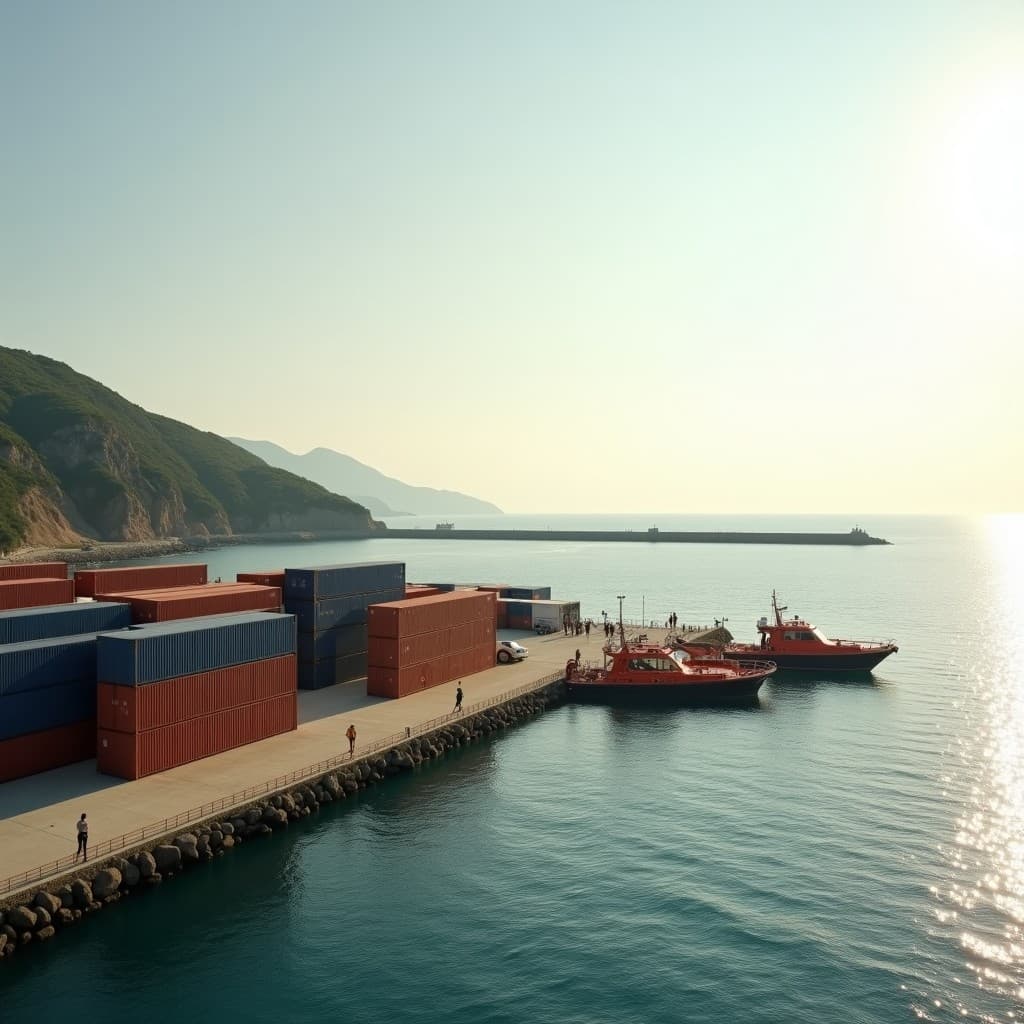
The hardening of Greece's stance signals a widening Mediterranean frontier where EU member states compete to restrict migrant arrivals. Calabria's ports, particularly Gioia Tauro, have historically absorbed flows deflected from Greek waters or rerouted through Turkish routes. According to the AP, Greece has already deployed some of Europe's most restrictive asylum procedures, and any further tightening could channel more migrants toward Italian shores. The port region's role as a reception hub and trafficking nexus means Calabrian authorities monitor such shifts closely.
Plevris's defiant stance reflects a broader European pattern documented by foreign correspondents: the normalization of hardline migration rhetoric across the bloc. The Los Angeles Times noted that Greece's minister framed human rights criticism as validation rather than concern, a rhetorical move that signals political confidence in the approach among his government. This emboldening comes as the EU itself approved offshore detention frameworks earlier this month, suggesting institutional tolerance for stricter policies.
For Calabria, the implications are material. The region's coastline remains a primary entry point for migrants crossing the central Mediterranean, and its ports serve as reception and processing hubs. Gioia Tauro, Europe's largest container port, has historically handled irregular migrant arrivals alongside commercial traffic. If Greece's closures accelerate, smuggling networks may redirect routes southward, increasing pressure on Italian landing sites and the already-stretched reception capacity in the South. The AP and LA Times coverage suggests no immediate negotiated EU response to Greece's unilateral tightening, leaving individual member states to absorb displaced flows.