
CALABRIA
Greece tightens Mediterranean border as European migration lines harden
Athens embraces criticism of strict policies; Italy faces renewed pressure on Calabrian crossings as EU approaches common standard
Saverio Gallo348 wordsEdition №17Tuesday, 16 June 2026 — Edition № 17
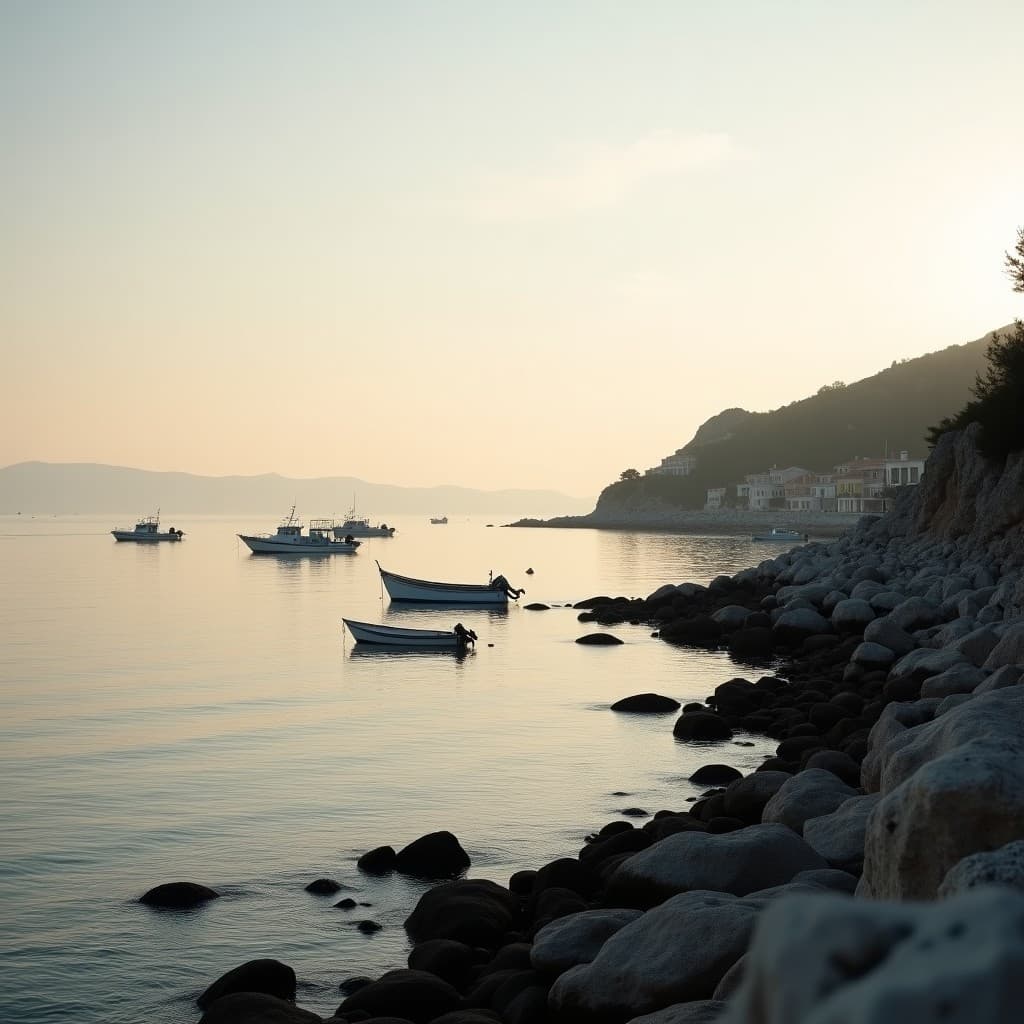
Greece's migration minister has called criticism from human rights groups a 'badge of honour' and vowed to further toughen migration policies he described as 'the toughest—if not the toughest—in Europe,' according to the Los Angeles Times and Associated Press. The comments, made on Monday to private broadcaster Action 24, come as Greece's conservative government doubles down on restrictions that have drawn condemnation from the United Nations and Amnesty International. The hardening stance signals a shift in how southern Europe will manage Mediterranean arrivals, with implications for Italy's own reception systems and political calculations around Calabrian landings.
Greece's tougher approach has become a model for other EU states seeking to restrict asylum claims and deter crossing attempts. Calabria has absorbed roughly half of Italy's migrant arrivals in recent years, with landings concentrated along the region's Ionian coast. As Greece narrows its own asylum pathways and increases maritime interdiction, migration pressure is likely to shift westward toward Italian waters, placing renewed strain on reception infrastructure and local services already stretched across the region's poorer municipalities.
The Greek government has implemented a series of restrictions including faster deportation procedures, expanded maritime patrols, and reduced asylum eligibility thresholds. Foreign observers have noted that Athens frames these measures as necessary border management, while critics argue they violate international refugee law. The minister's willingness to embrace rather than deflect criticism suggests the government views strict migration control as a political asset, a stance that has resonated with conservative and far-right parties across Europe.
For Calabria, Greece's hardening line creates a predictable consequence: migrants and smugglers will recalibrate their routes. When one Mediterranean entry point becomes too costly or dangerous, traffic redirects toward others. Italy's Calabrian coast, already a primary landing zone, will likely absorb additional pressure. The Riace model—the small Calabrian municipality's controversial system of dispersing migrants into local communities—has attracted international attention as a counter-narrative to fortress approaches, but it remains politically contested within Italy and lacks the funding and legal clarity to scale. As Greece restricts and the EU moves toward a common asylum framework, Calabrian authorities will face mounting pressure to align with stricter standards while managing the practical reality of arrivals that geography and proximity to North Africa make inevitable.