
INTERNATIONAL
Gulf crisis cuts oil flow to Genoa as shipping routes fracture
Hormuz attacks and Iran-Qatar tensions threaten Mediterranean refining as tanker strikes persist
Marina Doria487 wordsEdition №43Sunday, 12 July 2026 — Edition № 43
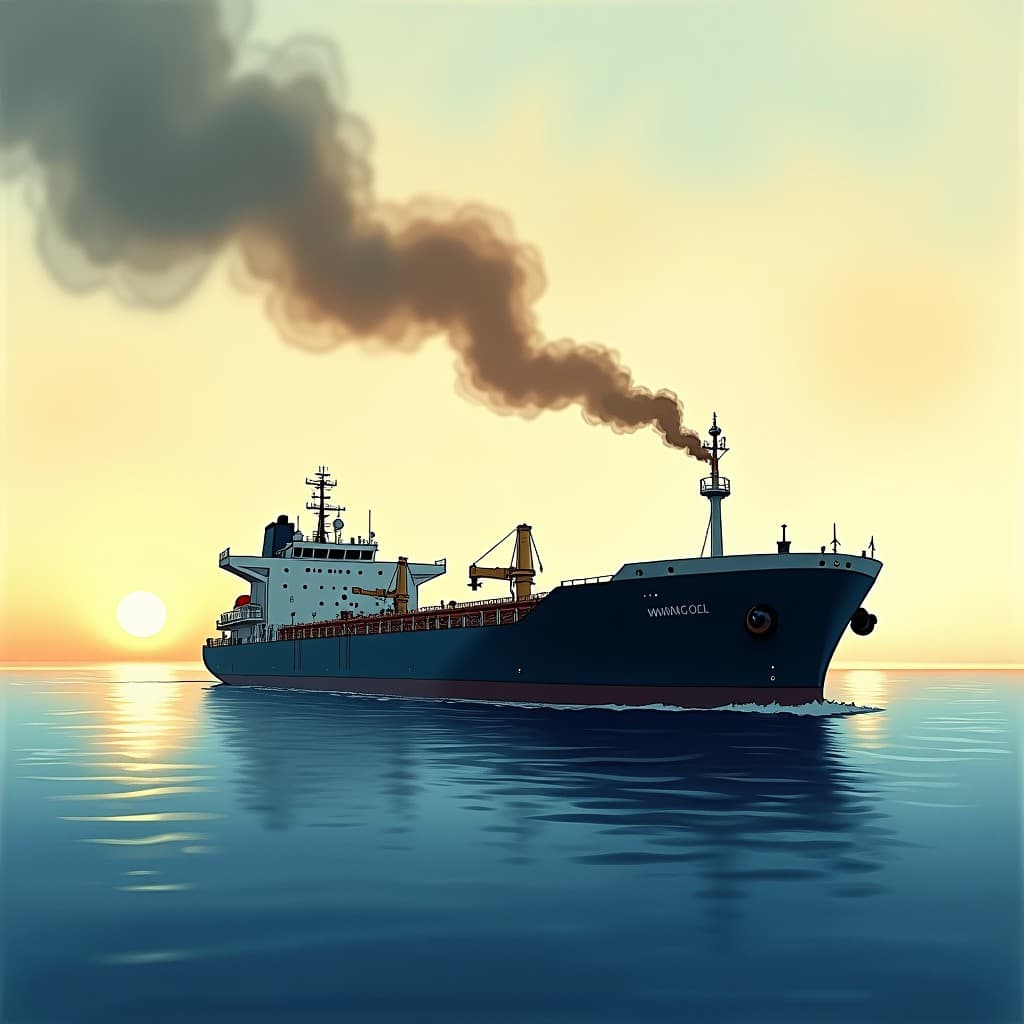
A tanker struck by an unknown projectile near the Strait of Hormuz caught fire this week, according to Seatrade Maritime News, in an incident that underscores the persistent risk to shipping through one of the world's most critical oil passages. The attack came as maritime trade between Iran and Qatar resumed after a five-month suspension, following an interim deal between Tehran and Washington that ended four months of conflict but left transit in and out of the Gulf contested. The combination of renewed hostilities and fragile diplomatic recovery has left the corridor volatile.
For Genoa and Liguria's energy infrastructure, the implications are direct. The port handles a significant share of Italy's crude imports, and refineries across the northwest depend on steady Gulf supplies routed through Hormuz. Seatrade Maritime News reported that the latest incident could slow efforts to restore safe passage through the Strait, a warning that resonates acutely for Mediterranean ports dependent on uninterrupted flows. The uncertainty extends beyond individual attacks: the resumption of Iran-Qatar trade, while nominally positive, remains constrained by the contested nature of Gulf transit itself.
The situation contrasts sharply with the Don-Azov Channel disruption reported by Reuters and Euromaidan Press, where Russia halted shipping after Ukrainian tanker strikes—a separate but parallel threat to global trade corridors. For Genoa, the cumulative effect of multiple maritime chokepoints under strain is a tightening of supply chains and rising insurance costs on inbound crude. Port operators and shippers are bracing for sustained volatility through the summer.
The Hormuz attacks are not isolated incidents but part of a broader pattern of escalating maritime risk in the Gulf. Marine Link reported that Iran's commercial attaché confirmed the resumption of trade with Qatar after the interim deal, yet the framework remains fragile. The deal mandated a return to pre-war maritime traffic, but transit disputes persist, leaving shipping firms unable to plan with confidence. For Genoa's refining sector, which relies on crude sourced from Gulf producers, the unpredictability translates into higher hedging costs and potential supply gaps if attacks intensify.
Seatrade Maritime News noted that the fire aboard the tanker near Oman was brought under control, but the incident underscores how quickly a single attack can disrupt confidence in the corridor. Insurance premiums on Gulf-to-Europe routes are already elevated; further incidents could trigger additional surcharges that raise the cost of crude delivered to the Ligurian coast. Port authorities in Genoa are monitoring developments closely, aware that any prolonged disruption to Gulf supplies would ripple through the region's energy-intensive industries—refineries, petrochemicals, and the broader logistics sector that depends on stable energy pricing.
The wider context is one of competing maritime crises. While Hormuz remains contested, Russia's closure of the Don-Azov Channel after Ukrainian drone strikes has already redirected some grain traffic away from Black Sea routes, forcing alternative supply chains. For a port like Genoa, which depends on predictable, diversified trade flows, the multiplication of chokepoints under strain suggests a period of heightened cost and complexity ahead. The resumption of Iran-Qatar trade, while a diplomatic achievement, has done little to restore the stability that shippers and refiners require.