
OPINION
When the desert arrives: Italy faces heat and the burden of preservation
Editorial Board274 wordsEdition №18Wednesday, 17 June 2026 — Edition № 18
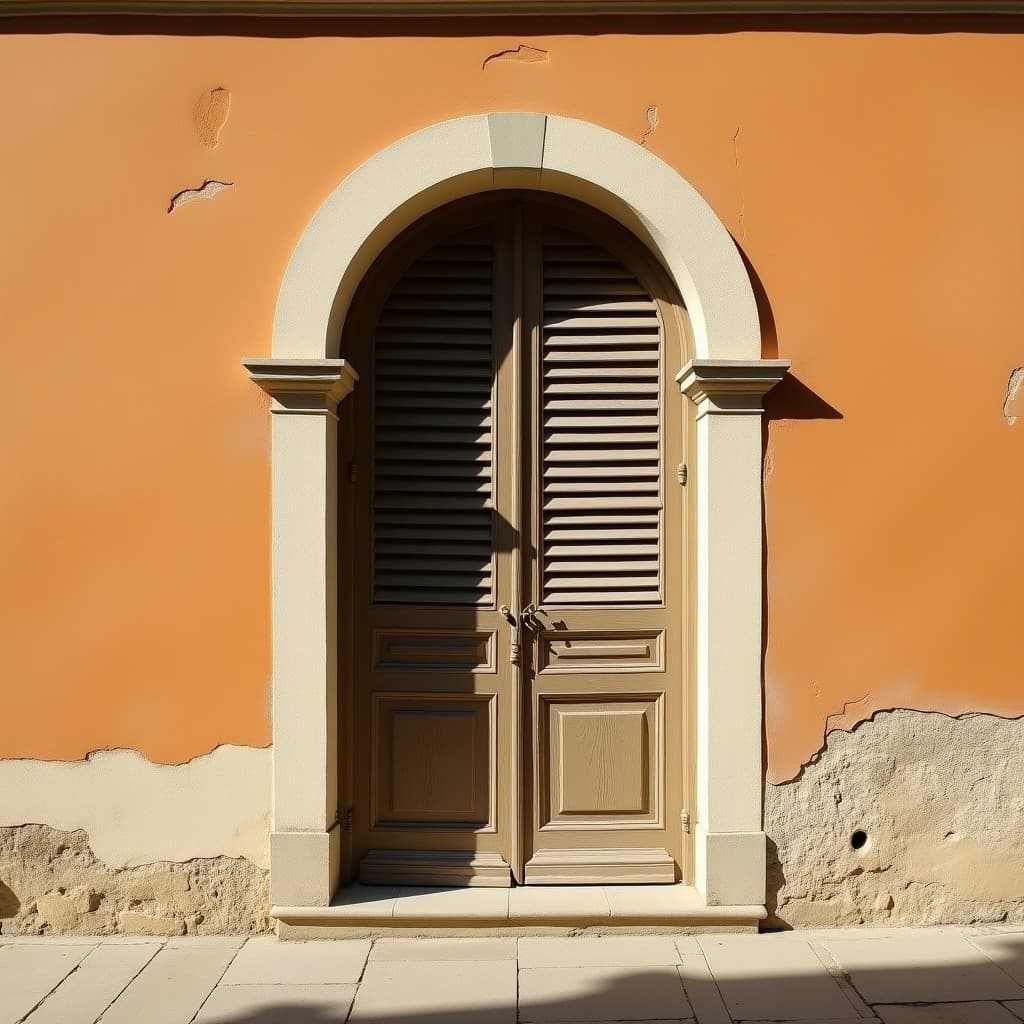
The Guardian's weather tracker reports that a mass of hot air from the Sahara has settled over southern Europe this week, with Italy bracing for peaks of 39 to 40 degrees Celsius. The heatwave is the first serious one of the summer, and it arrives as the continent enters a season when its heritage sites draw millions of visitors. The timing is not incidental. Italy's archaeological treasures, its frescoes and stone, its gardens and open-air museums, exist in a delicate equilibrium with the climate they have survived for centuries.
The DNA study from Tuscan grape seeds—published in the Guardian this week—reminds us that Italy's relationship with its landscape is not merely aesthetic or touristic. Two thousand years of winemaking, of human cultivation and knowledge embedded in soil and vine, now faces disruption from the very heat that once ripened the grapes. The ancient Chianti vines that produced white fruit, according to the research, tell us that the past was not static; it adapted. Yet adaptation at the pace of two millennia is not the same as adaptation compressed into decades.
We note, without alarm but with clear sight, that Italy's cultural inheritance—from Giotto's frescoes in Florence, currently emerging from four years of restoration, to the countless open-air sites that draw global tourism—now sits at the intersection of two pressures: the heat that threatens the material itself, and the crowds that come to see it. The world watches Italy not only as a nation but as a custodian of human memory. When temperatures soar and heritage sites must manage both preservation and access, Italy is managing, in miniature, what the world must solve at scale.