
OPINION
Italy burns: when beauty becomes a liability in the age of heat
Editorial Board315 wordsEdition №22Sunday, 21 June 2026 — Edition № 22
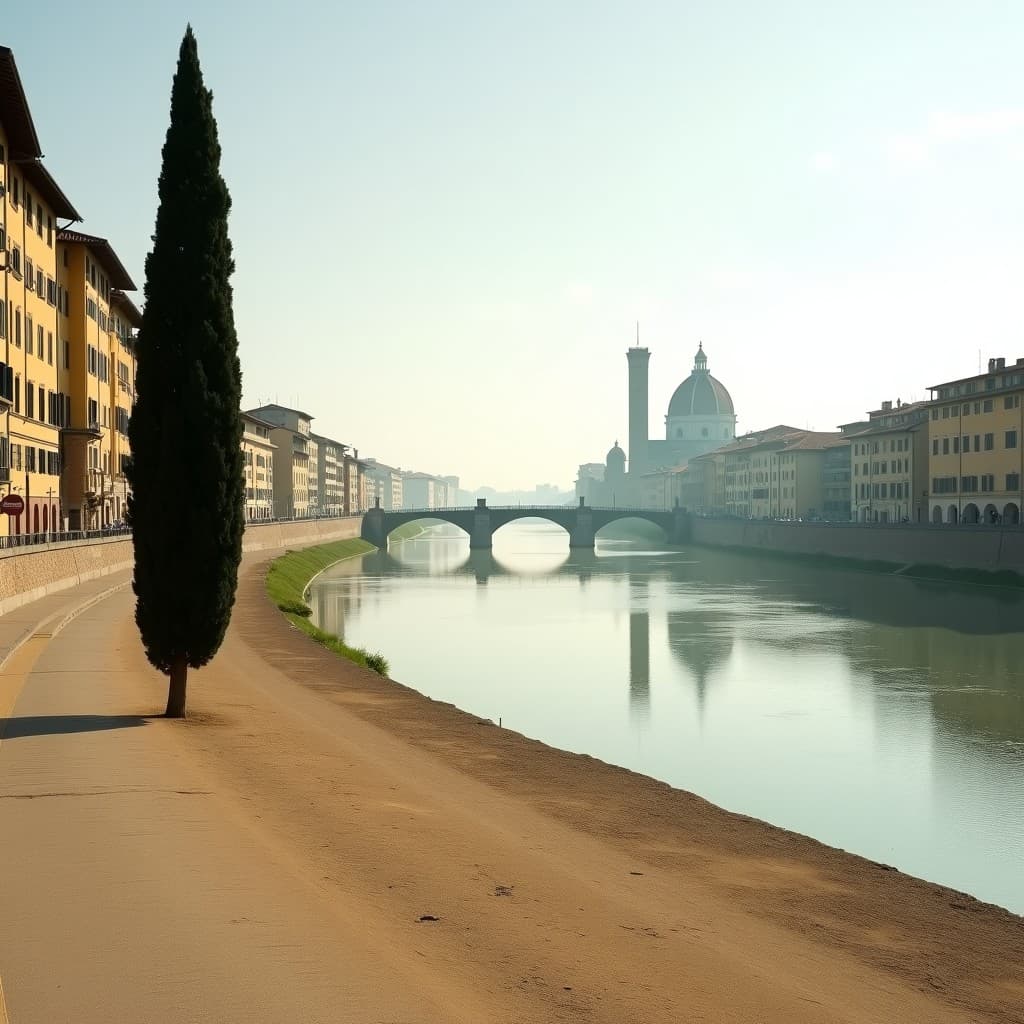
France 24 reported this week that a gruelling heatwave is sweeping across much of Europe, with temperatures climbing to record levels and set to hit 40°C (105°F). Italy, with its dense concentration of tourists, ancient stone, and ageing infrastructure, faces particular strain. The Local Italy noted that Florence is under red alert as temperatures head toward 40 degrees, and cited the challenge of adapting daily life to such extremes. Yet the real crisis is not what happens to residents—it is what happens to the places that define Italy in the world's imagination.
Venice, Florence, Rome: these cities exist in the international consciousness as fixed points, repositories of human achievement meant to endure. But they were built for a different climate. Stone absorbs and radiates heat; narrow streets trap it; water systems designed centuries ago struggle under new pressures. The Guardian reported this week that Venice's new mayor is proposing to raise the day-tripper fee to as much as €50, partly as a measure to manage 'periods of heightened tourist pressure.' The fee is framed as a tool for conservation, but it also hints at a harder reality: the places the world comes to see may soon be too fragile to be seen by everyone.
This is the paradox Italy now faces. Its cultural inheritance—the thing that makes it irreplaceable to the world—is also what makes it vulnerable. A heatwave that would be merely uncomfortable in a modern city becomes a threat to frescoes, to marble, to the delicate equilibrium of lagoons and canals. The international press frames Italy's climate crisis as a problem for tourists and residents. But it is also a problem for memory itself. If the heat forces Italy to choose between access and preservation, between welcoming the world and protecting what the world has come to see, the choice will reshape not just Italy but how the world understands its own past.