
CALABRIA
Europe's deadly heat tests southern Italy's migrant farm labour
Over 1,300 excess deaths recorded as heatwave grips continent; migrant workers in shanty towns face worst conditions
Saverio Gallo412 wordsEdition №31Tuesday, 30 June 2026 — Edition № 31
The World Health Organisation reported Sunday that over 1,300 excess deaths had been recorded across Europe since June 21 in connection with a record-breaking heatwave. The Guardian reported that Germany and Italy are among the worst hit, with temperatures shattering records across the continent. Most of Italy remains under red alert, according to forecasters, with relief not expected until Wednesday. The scale of the mortality toll underscores the severity of the crisis gripping the continent.
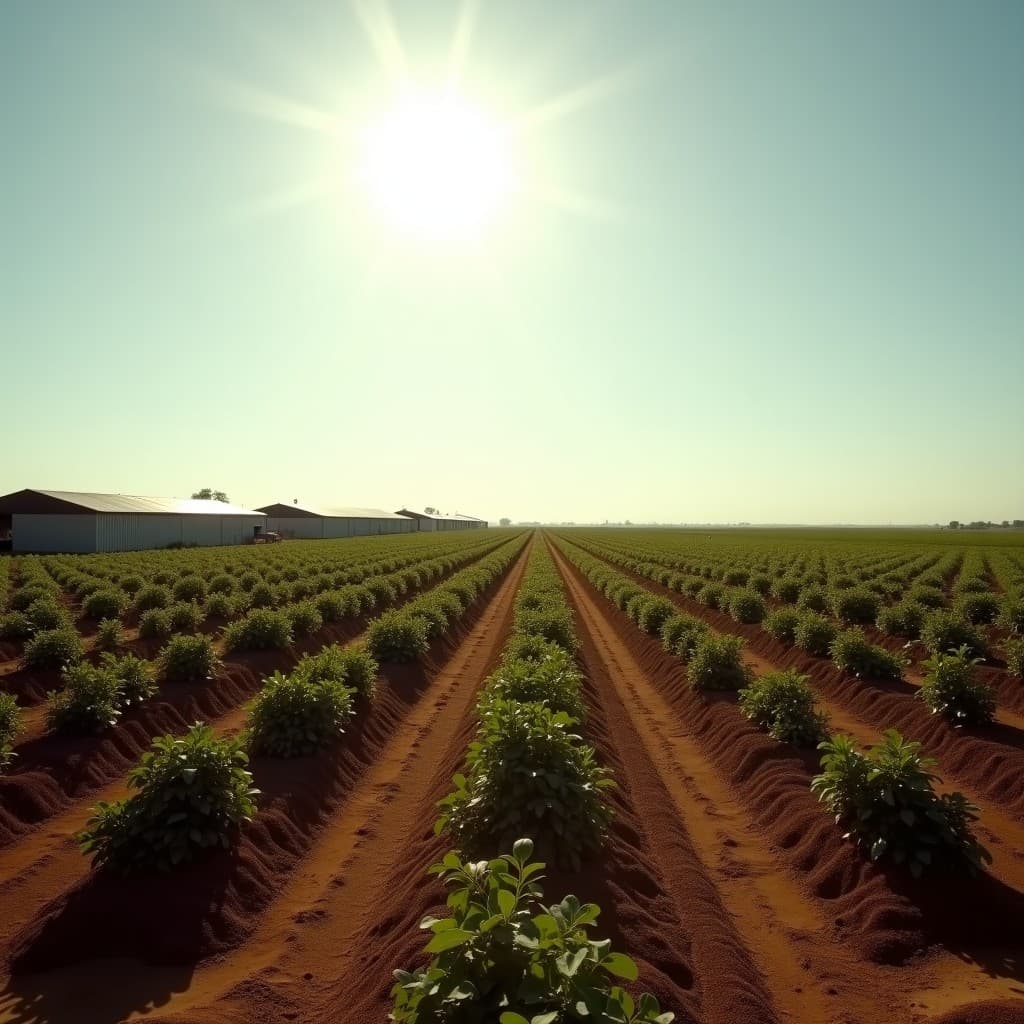
In Calabria and the surrounding south, the crisis has a particular face: migrant farm workers living in makeshift settlements with minimal protection from the heat. The Local reported that in Puglia, just north of Calabria, migrant labourers are enduring extreme temperatures in corrugated iron shacks scattered across agricultural zones. These workers—many undocumented, many paid below minimum wage—have no air conditioning, limited water access, and no legal recourse to demand safer working conditions. The heat has turned their shanty towns into death traps.
Calabria's own agricultural sector depends on seasonal migrant labour, particularly for citrus and bergamot harvesting. The region's farms operate in a grey economy where workers are often housed in substandard accommodation with no heat-safety protections. As temperatures soar, the risk of heat-related illness and death among these populations rises sharply, yet official oversight remains minimal. The heatwave has exposed—again—the structural vulnerability of migrants who underpin southern Italy's farm economy.
The broader European pattern shows how climate stress is reshaping labour and migration across the continent. The Guardian and The Local both documented how the heatwave is disrupting not just tourism and infrastructure but the daily survival of the most precarious workers. In southern Italy, where migrant labour is essential to agriculture but largely unregulated, the human cost is acute.
Calabria's regional authorities have issued heat warnings, but these carry little weight for workers in informal settlements. No mandatory cooling centres serve the agricultural zones where migrants work. No enforcement mechanism compels farmers to provide shade, water, or rest periods during extreme heat. The WHO's death toll reflects not just climate extremity but also the inequality of exposure—wealth and citizenship determine who survives the heat and who does not.
The heatwave will pass, but the structural conditions that put migrant workers at mortal risk remain unchanged. Calabria's farms will continue to depend on vulnerable labour. The region will continue to offer minimal protection. The next heatwave will come. Until labour standards and housing conditions in southern agriculture are reformed—a change that would require both regional investment and national enforcement—migrants will remain the heat's most expendable victims.