
UMBRIA
Umbria braces as Europe's heatwave peaks
Inland region faces crop stress and tourism strain as temperatures approach 40°C
Niccolò Mariani542 wordsEdition №22Sunday, 21 June 2026 — Edition № 22
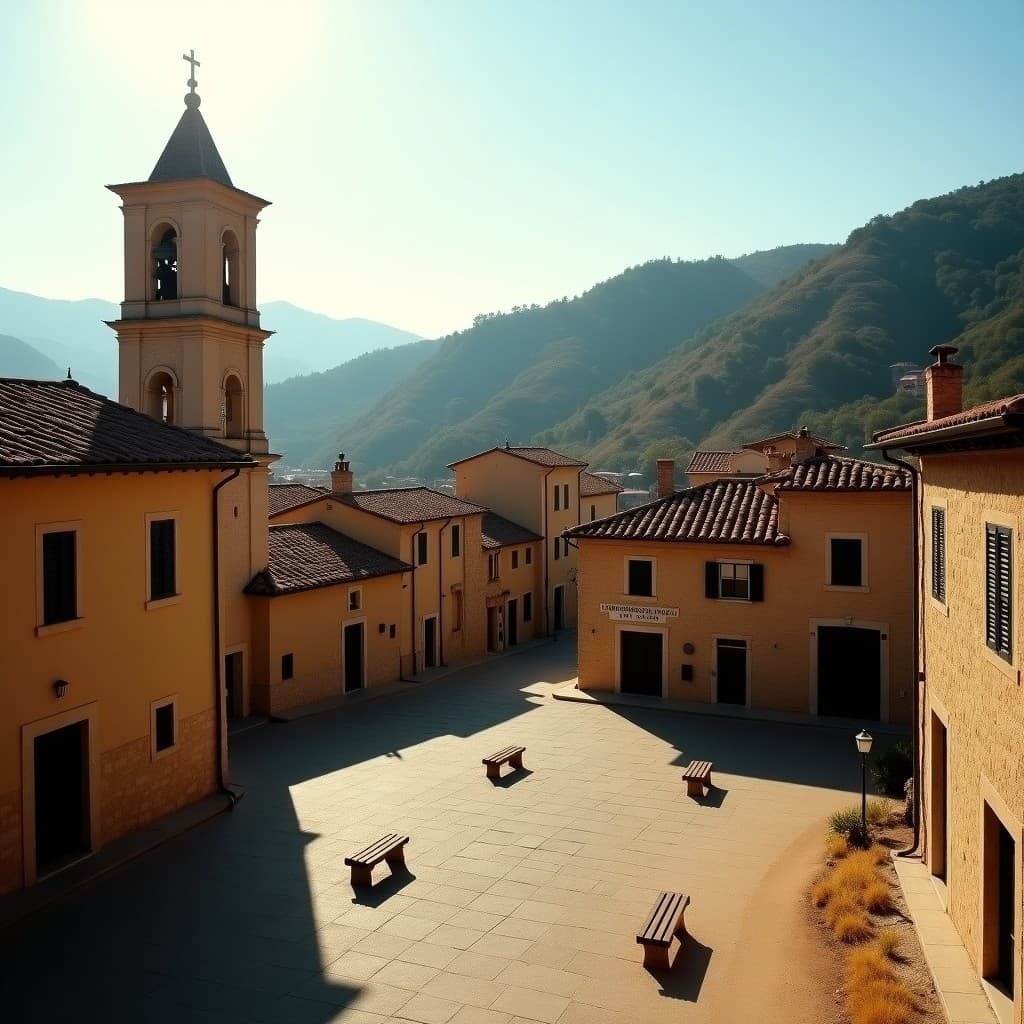
Much of Western Europe is baking under a gruelling heatwave, with temperatures set to approach 40°C (104°F) in the coming days, according to France 24. Italy is among the hardest-hit regions, with Florence already placed under red alert as the mercury climbs. For Umbria—a region built on agriculture, tourism and the fragile ecology of its hill towns—the strain is becoming acute.
The heatwave arrives as Umbria enters its peak summer season. The region's wine producers, olive growers and chocolate manufacturers depend on stable conditions; sustained heat above 38°C damages ripening fruit and stresses irrigation systems already stretched by years of irregular rainfall. Tourism to Assisi, Perugia and the Spoleto area, which draws pilgrims and culture-seekers from across Europe, faces disruption as visitors avoid the worst of the midday heat and as local services strain under peak demand.
France 24 reported that authorities across Europe have ramped up emergency warnings and convened urgent meetings as the heatwave intensifies. In Italy, regional governments have issued heat advisories and urged residents to adjust daily routines—staying indoors during peak hours, reducing unnecessary travel, and ensuring vulnerable populations have access to cooling centres. The Local Italy noted that small behavioural changes—shifting work and errands to early morning or evening—have become essential survival strategies in regions like Tuscany, and similar adaptations are now necessary across Umbria's towns.
The heatwave is the latest in a series of extreme weather events that have tested Italy's regional economies throughout 2026. Earlier this month, France 24 reported that successive heatwaves had already strained Calabria's crops and tested Puglia's agriculture. For inland Umbria, which lacks the coastal infrastructure of southern regions and relies on tourism and food production rather than industrial resilience, the cumulative effect is compounding.
The timing is particularly precarious. June marks the beginning of the high season for religious pilgrimage to Assisi—one of Europe's major pilgrimage destinations—and for the cultural festivals that define Umbria's summer: Umbria Jazz in Perugia and the Spoleto Festival both draw international visitors. Heat-related health emergencies, power strains on local grids, and water shortages could disrupt both events and damage the region's reputation as a destination for unhurried cultural tourism.
Farmers in the region have begun rationing irrigation and harvesting earlier than planned to avoid crop loss. Wine producers in particular face a delicate balance: premature harvesting can reduce quality, while waiting risks heat damage. The regional agricultural sector, already vulnerable to demographic decline and competition from larger European producers, cannot afford significant losses. Local authorities have not yet issued specific emergency measures, but the pattern established in other Italian regions suggests contingency planning for water rationing and heat-related workplace restrictions is underway.