
ESTERO
Pentagon chief's NATO audit puts Italy's defense burden in focus
Hegseth's review of US forces in Europe signals pressure on allies over spending and strategic alignment with Washington.
Adriana Sole412 wordsEdition №24Tuesday, 23 June 2026 — Edition № 24
Reuters reported on June 18 that Hegseth harshly criticised some NATO members over defence spending and their stances on the Iran war as he announced the review. The Pentagon chief's language—suggesting that some countries will "fail" the assessment—signals that the Trump administration is prepared to reshape the U.S. military footprint on the continent based on political and financial criteria.
Italy's position is complicated. Defense Minister Guido Crosetto confirmed this week that Rome has declined to fund the NATO Prioritised Ukraine Requirements List (PURL) scheme, under which member states purchase U.S. weapons for delivery to Ukraine. That decision, reported by Defense News on June 19, reflects Italy's attempt to constrain its defense spending even as Washington signals it expects greater burden-sharing from European allies.
The timing of Hegseth's review coincides with broader tensions between Rome and Washington. The Meloni government has publicly clashed with the Trump administration over the Middle East, Italy's refusal to participate in U.S. military support for Ukraine, and personal disputes between the leaders. Le Monde reported on June 22 that Italy rallies behind Meloni after Trump targets her, though the country fears trade retaliation. The Pentagon's reassessment of U.S. forces in Europe may now become another lever in that fractured relationship.
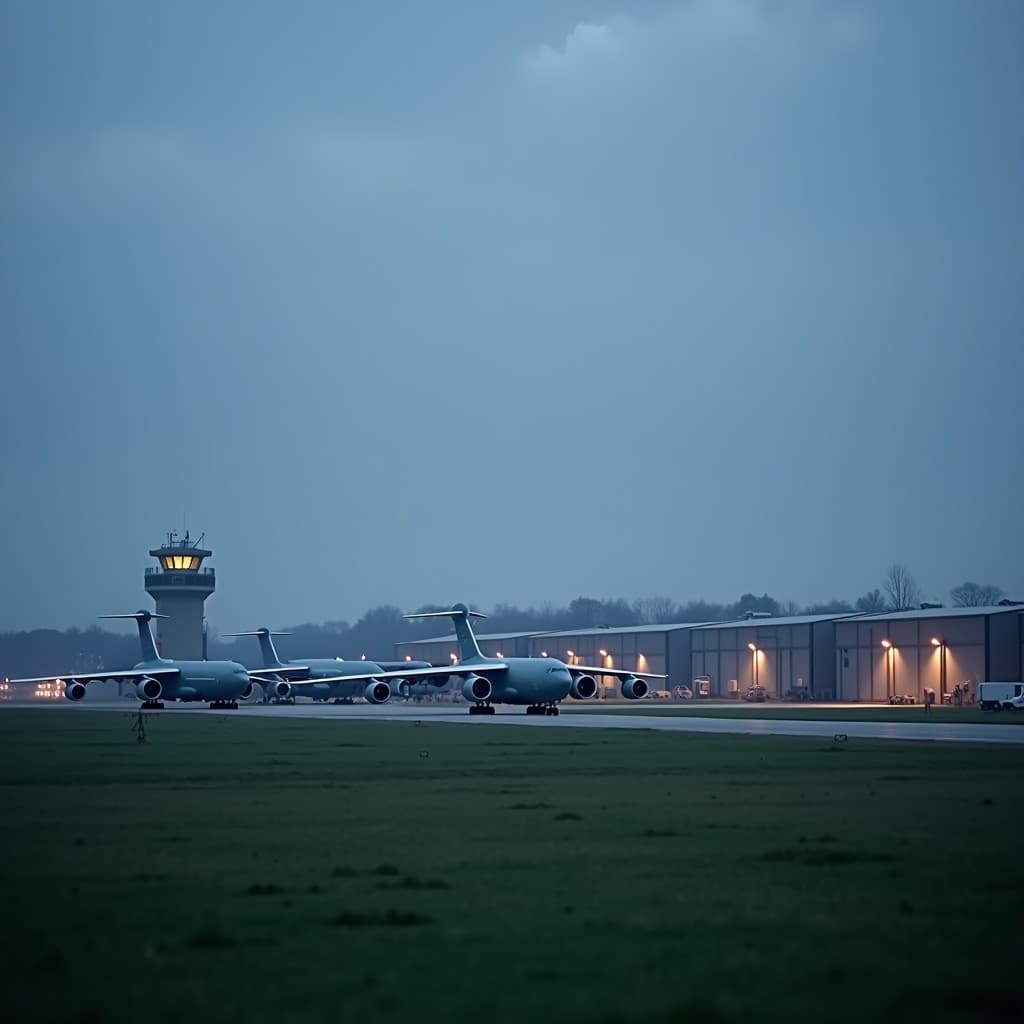
Italy hosts significant U.S. military infrastructure, including air bases at Aviano and Sigonella and naval facilities at La Maddalena in Sardinia. A reduction in the American presence would affect both regional security architecture and the Italian defence industry's ties to U.S. procurement. Conversely, an increase in demands for Italian defense spending—a core Hegseth concern—would strain a government already managing tight fiscal constraints and domestic pressure to prioritise social spending over military outlays.
The review also reflects broader NATO tensions. According to Reuters, Hegseth criticized members over their defence spending levels and their reluctance to align with U.S. positions on Iran. Italy, like several EU members, has sought to maintain diplomatic channels with Tehran and has resisted full alignment with Trump's more confrontational posture. That strategic divergence, combined with Rome's refusal to fund Ukraine weapons purchases, may place Italy in a weaker negotiating position should Washington decide to scale back its military commitment to the peninsula.
For Italy's foreign policy establishment, the review represents both a threat and an opportunity. A smaller U.S. military footprint could push Rome toward greater European defence autonomy and investment in EU-led initiatives. Yet withdrawal of American security guarantees could also expose Italy to pressure from Russia and create instability in the Mediterranean—a region where Italian and American interests have long overlapped. The outcome of Hegseth's assessment will likely shape Italian defence strategy and its relationship with Washington for years to come.