
INTERNATIONAL
Tanker attack in Hormuz threatens fragile Gulf recovery, ripples through Genoa
A projectile strike near Oman signals renewed risk to maritime corridors that feed Italian ports and global trade routes.
Marina Doria438 wordsEdition №40Thursday, 9 July 2026 — Edition № 40
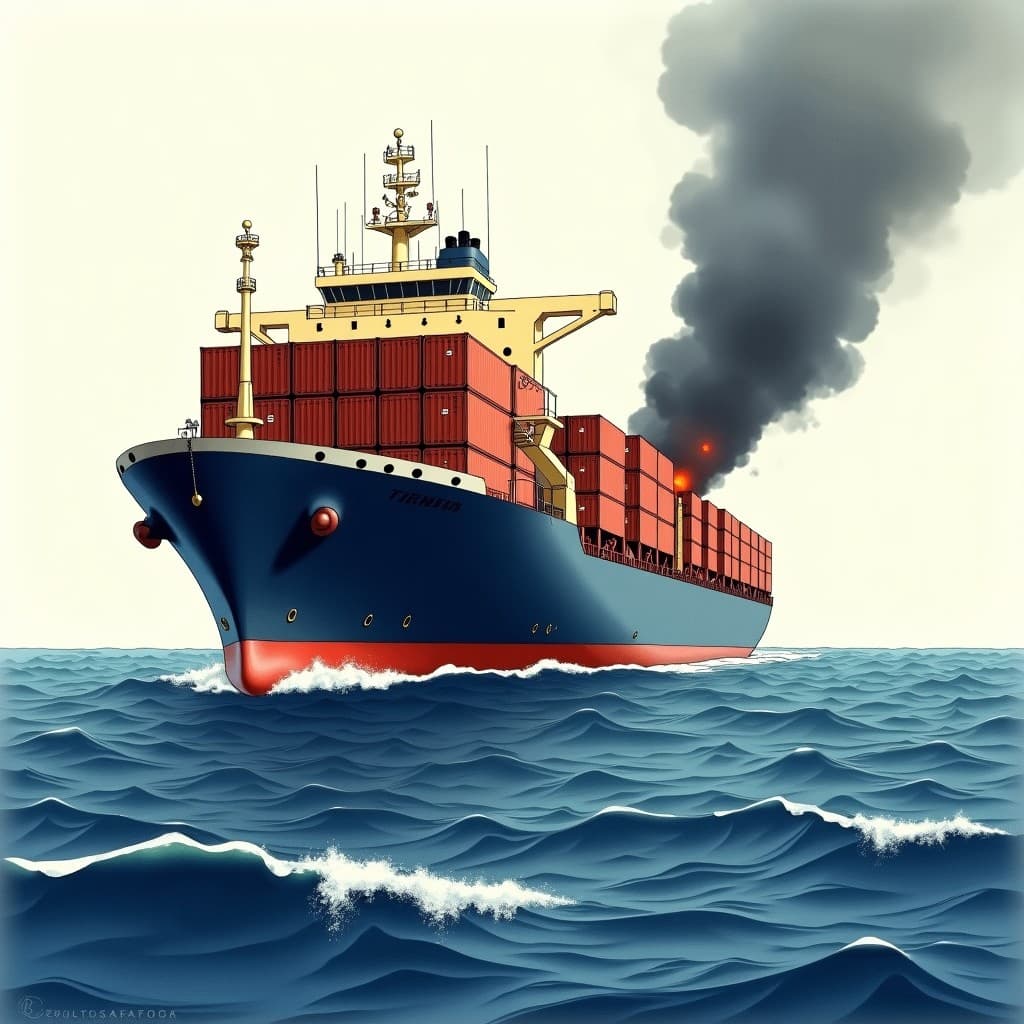
A tanker suffered a direct hit from an unknown projectile in the Strait of Hormuz on Tuesday, igniting a fire that was brought under control, according to Seatrade Maritime News. The incident comes as the region attempts to recover from a four-month conflict between Iran and the United States that had suspended maritime traffic through the Gulf. An interim deal signed last month between Tehran and Washington mandated a return to pre-war shipping patterns, but the latest attack suggests that fragile recovery remains under threat.
The Hormuz corridor carries roughly one-third of the world's seaborne oil trade and is essential to energy security across Europe and the Mediterranean. For ports like Genoa, which handles containerised cargo and refined fuels sourced from Gulf refineries, any disruption to Hormuz transit ripples across supply chains within weeks. Seatrade Maritime News reported that the incident could slow efforts to restore safe passage, raising insurance costs and forcing shippers to reroute cargo around the Cape of Good Hope—a detour that adds weeks to transit times and raises costs for Italian importers and exporters.
The timing of the attack is particularly sensitive. Iranian state media reported on Sunday that Iran and Qatar had resumed maritime trade after a five-month suspension, signalling a tentative normalization of Gulf commerce. An Iranian commercial attaché in Doha told state media the resumption followed the interim Washington-Tehran deal, which explicitly mandated a return to pre-war maritime traffic. That progress now faces uncertainty.
Genoa's port authority and shipping agents monitor Hormuz traffic closely. The port moved 2.7 million containers in 2025 and relies on predictable Gulf supply chains for fuel, petrochemicals and containerised goods bound for northern Europe. A sustained closure or heightened risk premium on Hormuz transit would force Italian shippers to absorb higher insurance and routing costs, ultimately affecting import prices for consumers and export competitiveness for Italian manufacturers.
The incident also underscores the fragility of the broader Middle East settlement. Although the interim deal nominally restored shipping rights, transit remains contested and the tanker attack suggests that non-state actors or regional militias may not regard the agreement as binding. International shipping insurers and classification societies will likely adjust risk assessments for the corridor in coming days, which could further constrain traffic or force vessels to seek alternative routes.