
ESTERO
Iran targets Italy over US air-base access as NATO tensions escalate
Deputy Foreign Minister accuses Rome of enabling American strikes; threat comes as European leaders prepare unified defence posture
Adriana Sole385 wordsEdition №31Tuesday, 30 June 2026 — Edition № 31
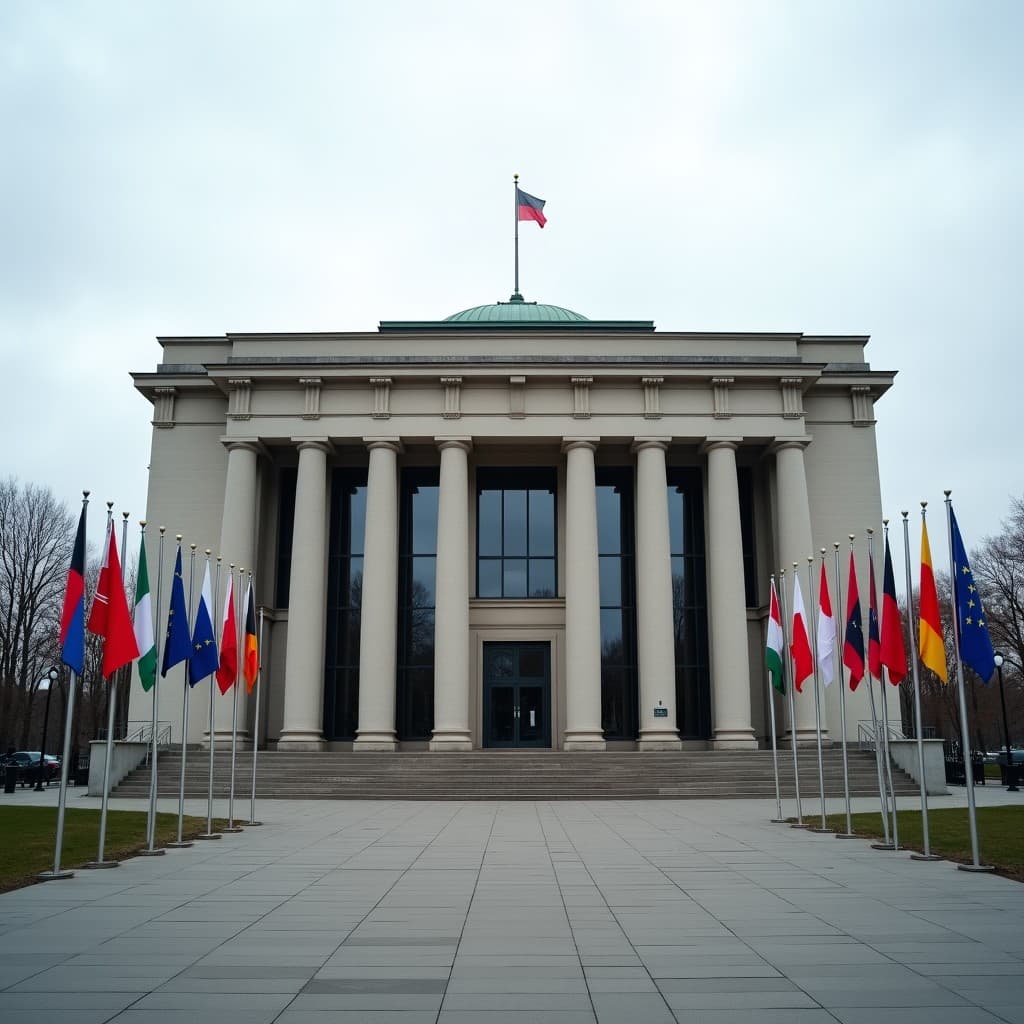
Iran's Deputy Foreign Minister for Legal and International Affairs Kazem Gharibabadi singled out Italy and Romania on Thursday for permitting American military operations from their territory, according to the Jerusalem Post. The accusation came as a senior Iranian commander demanded Israel withdraw from Lebanon, escalating rhetoric across multiple fronts in the region. The threat to Italy underscores the diplomatic costs Rome faces as a NATO member aligned with Washington's Middle East posture.
The Iranian statement arrived at a moment of heightened coordination among European powers. Leaders of Germany, France, Italy, the United Kingdom and Poland—the so-called E5 group—met in Berlin on Wednesday to reaffirm their commitment to strengthening NATO's European pillar ahead of next month's alliance summit in Ankara, according to Politico. Italy's inclusion in the E5 coordination signals its central role in European defence strategy, even as it becomes a direct target of Iranian pressure over its military infrastructure.
The threat reflects Iran's broader strategy of raising costs for European NATO members who host American military capabilities. According to the Jerusalem Post, the Iranian official's accusation that Italy and Romania enabled US strikes on Iran represents a departure from the usual Iranian practice of directing threats primarily at Israel and the United States. By naming specific European nations, Tehran signals its intent to test the cohesion of the alliance and discourage member states from deepening military cooperation with Washington.
Italy's position is complicated by its dual role as a Mediterranean power with significant exposure to Middle Eastern instability and as a core NATO member committed to alliance unity. The Guardian reported this week that US President Donald Trump has expressed measured support for Ukraine, while the E5 group has called for Ukraine aid to rank high on the NATO agenda in Ankara. Italy's involvement in these coordinated European defence discussions contrasts with the Iranian accusation that Rome facilitates American military operations—a tension that will likely shape how Italian officials navigate the alliance summit and their relationship with the Biden administration's successor.
The timing of Iran's accusation also coincides with broader trade tensions between the Trump administration and Europe. On Friday, Trump threatened to impose 100 percent tariffs on European countries over digital taxes, according to the New York Times, claiming such measures would override a trade deal the European Union had just finalized. For Italy, the combination of direct Iranian threats to its military role and escalating American trade pressure adds pressure to the E5 coordination efforts, which aim to present a unified European defence position independent of Washington's shifting priorities.