
ECONOMY
Drought threatens Italy's farm belt as Po River runs dry
Seawater intrusion and extreme heat pose risks to dairy and crop production across the north.
Economy Desk370 wordsEdition №30Monday, 29 June 2026 — Edition № 30
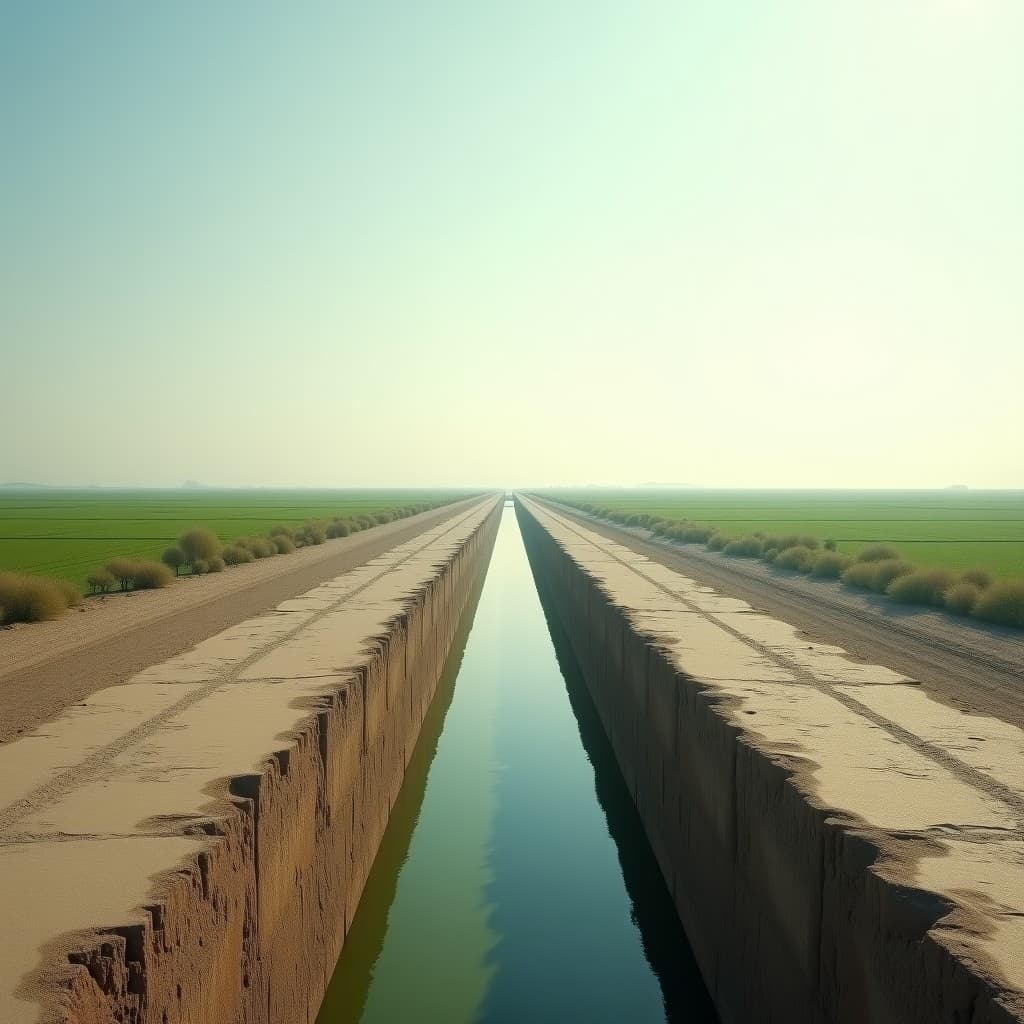
The Po River, which waters Italy's most productive farming region, is running dry as a severe heatwave grips the continent. According to reports from the field, seawater is seeping into the waterway as water levels fall, a sign of stress on the supply chains that depend on the river's flow. The phenomenon is not merely a weather event; it signals a structural vulnerability in the agricultural economy of the north, where dairy farming and crop production operate on thin margins.
The timing compounds existing pressures. Italy's economy grew by 0.69 per cent in 2024, a modest pace that leaves little room for sectoral shocks. Agriculture, though a smaller share of GDP than in past decades, remains critical to export earnings and rural employment. A drought that cuts milk yields or damages crops can ripple through processing, transport, and retail—sectors that already face labour shortages and ageing infrastructure.
The heatwave itself is broad. The World Health Organisation reported more than 1,300 excess deaths across Europe since mid-June, with temperatures forecast to exceed 35 degrees Celsius for at least 191 million people on a single day this weekend. Italy sits at the centre of this system. The stress on water resources is not confined to the Po; it reflects a pattern of climate volatility that foreign observers increasingly flag as a structural risk to Mediterranean economies.
Currency markets have also shifted in recent weeks. The euro weakened against the dollar, trading at 1.1401 on 26 June, down from 1.1644 a month earlier. A weaker euro can support export prices, but it also raises the cost of imported inputs—fuel, fertiliser, machinery—that Italian farms depend on. The EU Energy Commissioner warned on Friday that jet fuel supplies may worsen this summer despite improving conditions in the Strait of Hormuz, a signal that energy costs could remain elevated.
For Italy's agricultural sector, the convergence of drought, heat stress, and currency headwinds creates a moment of vulnerability. The government has not yet announced emergency measures, but the scale of the threat—affecting the milk that becomes Parmesan, a product with protected geographic origin and significant export value—suggests that policy responses will follow. The broader economy, already growing slowly, has limited capacity to absorb sectoral losses without strain.