
ECONOMY
Italian winemakers downgrade bottles as US export crisis deepens
Piedmont producers face mounting inventory pressure amid American market collapse
Lorenzo Ferraris308 wordsEdition №41Friday, 10 July 2026 — Edition № 41
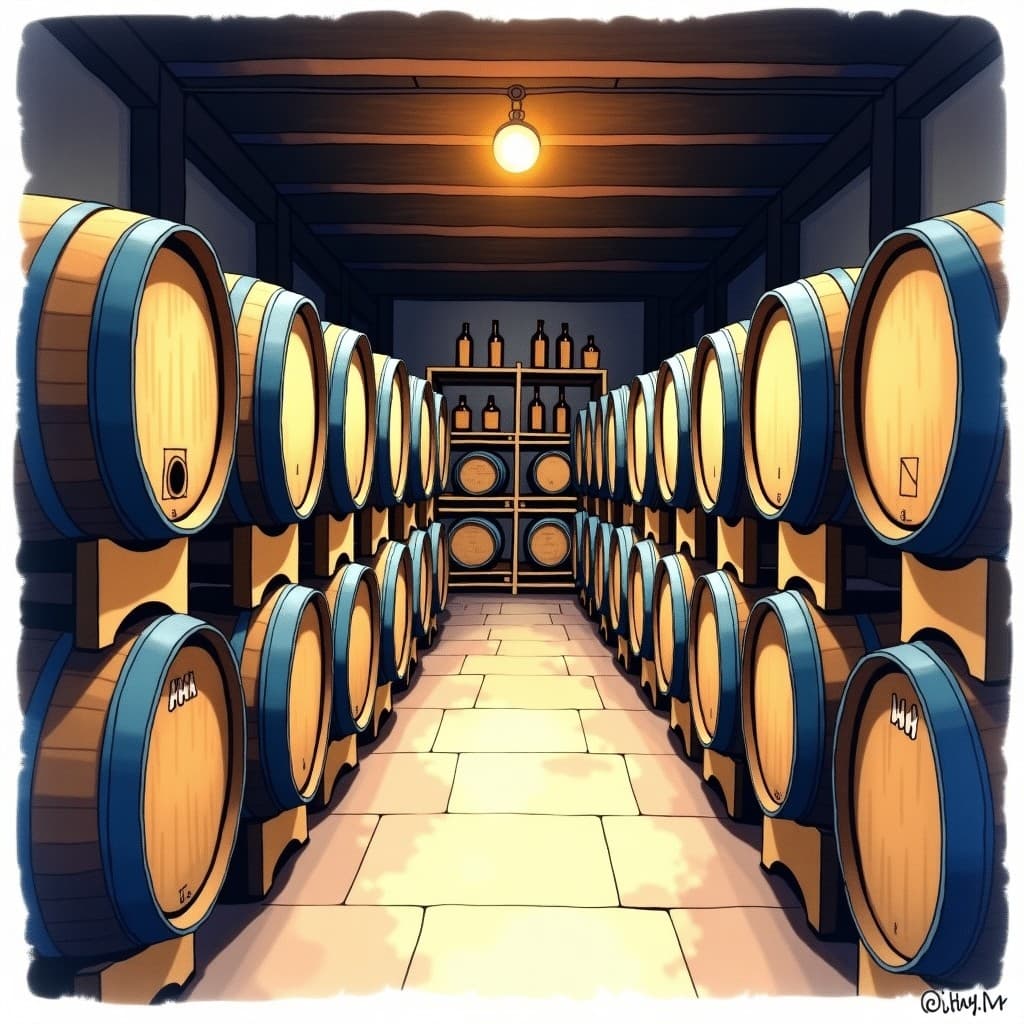
Italian winemakers are facing a severe market downturn, according to The Local Italy, which reported Wednesday that producers are downgrading bottles as wine piles up in cellars. The crisis stems from a sharp drop in exports to the United States, the traditional anchor market for Italian premium wines. Producers said they are struggling to shift a year's worth of produce, indicating both immediate cash-flow pressure and strategic uncertainty about demand recovery.
For Piedmont, Italy's premier wine region and home to Barolo and Barbaresco, the export collapse represents a significant threat to producers who have built global reputations on premium positioning. The practice of downgrading bottles—reclassifying wine intended for higher-tier markets into lower-grade categories—signals both desperation and a calculation that moving inventory at reduced margins is preferable to holding stock or incurring storage costs.
The timing of the crisis coincides with broader economic uncertainty in the United States, where tariff pressures and shifting consumer spending patterns have begun to reshape import patterns. The Guardian and other international outlets have reported extensively on trade tensions between the US and Europe, though specific reporting on the wine sector's American exposure remains limited in the available wire.
Piedmont's wine industry has long depended on US consumers as a critical market for both volume and price realization. The Barolo and Barbaresco denominations, which command premium prices globally, are particularly vulnerable to demand shocks in affluent American markets. A sustained collapse in US demand would force producers to compete in secondary markets at lower price points, potentially eroding the regional brand equity that has taken decades to establish.
The inventory buildup suggests producers face a choice between accepting significant losses now or gambling on demand recovery later. Storage costs, particularly for wines requiring controlled temperature and humidity, accumulate quickly. Without clarity from the international press on the duration or causes of the American export collapse, Piedmont producers appear to be adopting a liquidation strategy rather than waiting for market stabilization.