
ECONOMY
When a Wedding Becomes a Mirror for Sicily's Tourism Dilemma
A celebrity event in Palermo crystallises the tension between high-value visitors and the residents who bear the cost
Economy Desk633 wordsEdition №7Sunday, 7 June 2026 — Edition № 7
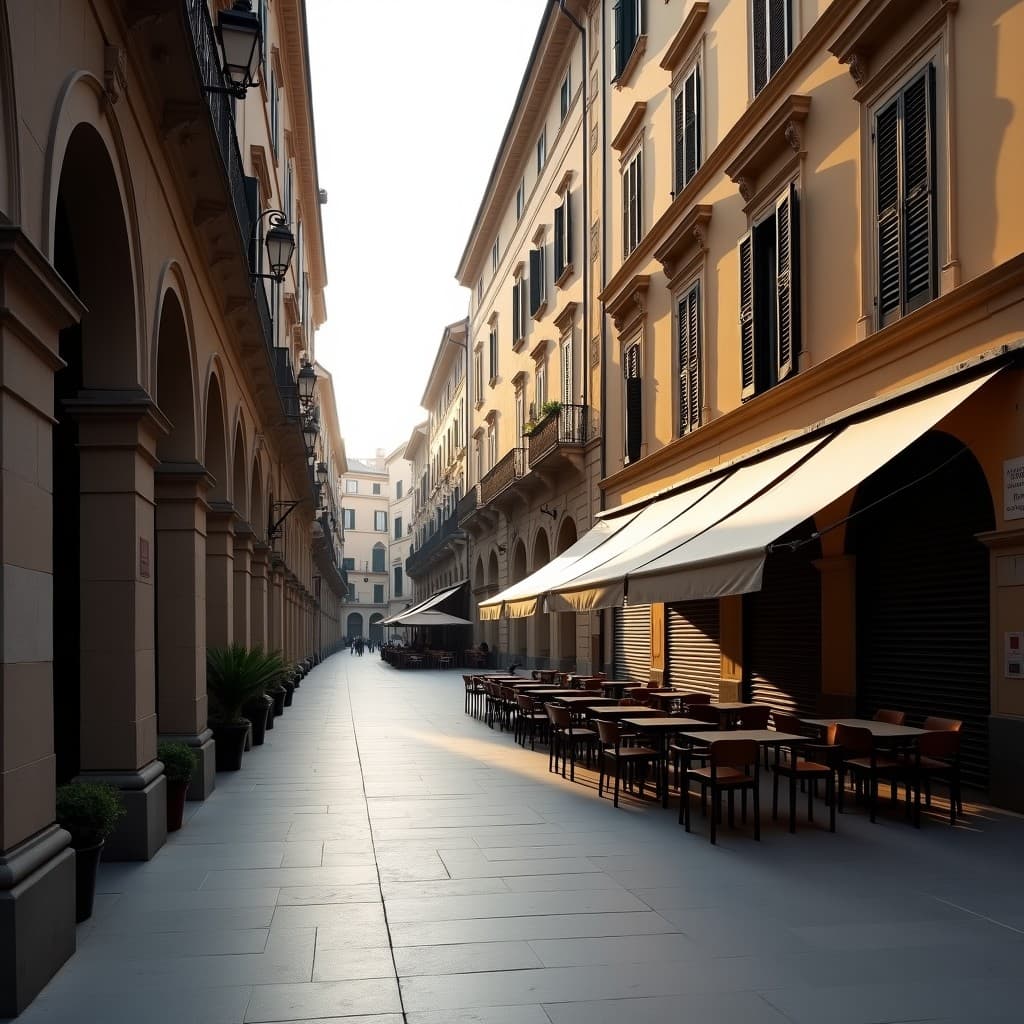
When Dua Lipa and Callum Turner chose Palermo for their wedding celebrations this weekend, the city's historic centre briefly became the focus of international attention. According to the Guardian, the event divided residents: some expressed pride that a global celebrity had selected Sicily, while others complained of road closures and what one local described as the city's transformation into a 'theme park'. The split reaction is not merely a matter of inconvenience. It is a precise, street-level expression of a debate that runs through Italy's entire economy.
Tourism is one of the few sectors where Italy consistently punches above its weight. Yet the macroeconomic picture around it is constrained. GDP growth came in at just 0.69 percent in 2024 — a figure that reflects an economy generating activity but not momentum. When the principal engine of that activity is visitor spending rather than productive investment or export manufacturing, the gains are unevenly distributed and the costs fall disproportionately on residents in high-footfall areas.
Palermo is not Venice or Florence, the cities most commonly cited in international coverage of overtourism. It is the capital of Sicily, a region with a long history of structural underemployment and economic marginalisation relative to Italy's north. The arrival of celebrity-driven events can lift hotel occupancy and restaurant covers for a weekend, but it does not address the deeper labour market conditions that make southern Italy a persistent concern for European economists.
Unemployment across Italy stood at 6.39 percent in 2025, a figure that, while lower than the peaks recorded in the previous decade, masks a pronounced north-south gap that international institutions have documented repeatedly. The World Bank and the European Commission have both noted that youth unemployment and informal labour in the Mezzogiorno remain structural problems, not cyclical ones. A celebrity wedding generates neither the skilled jobs nor the sustained investment that would move those numbers.
The currency context adds a further layer. The euro has strengthened against most major trading partners over the past month, with EUR/USD moving from 1.1761 on 8 May to 1.164 on 5 June — a modest retreat but still a rate that makes Italy an expensive destination for visitors paying in dollars or sterling. A stronger euro compresses the price advantage that had drawn budget travellers to southern Italy in earlier years, tilting the market further toward the high-end, low-volume visitor that events like a celebrity wedding represent.
That tilt has consequences for local economies built around volume. The small shopkeepers, street vendors and neighbourhood restaurants that line Palermo's baroque streets are not the primary beneficiaries when a private celebration closes roads and redirects foot traffic. The Guardian quoted one resident — Concetta Chillemi, chatting outside her shop near the city's gallery for modern art — as a voice of measured scepticism. Her position is economically legible: the gains from prestige tourism accrue to caterers, luxury hotels and event organisers, while the disruption is shared by all.
Italy's inflation rate of 0.98 percent in 2024 is, on one reading, a sign of stability — price pressures that tormented households across the eurozone have eased. On another reading, it signals an economy with limited domestic demand, where consumers are cautious and businesses reluctant to invest. In that environment, the temptation to lean on tourism as a growth lever is understandable, but the Palermo episode is a reminder that the model has diminishing returns for the communities that host it.
The question the international press keeps returning to — whether Italy's celebrated cities and landscapes are assets to be managed or spectacles to be monetised — does not have a simple answer. What the data and the dispatches together suggest is that without a broader economic strategy for the south, individual events, however glamorous, will continue to generate more column inches than lasting prosperity.