
ECONOMY
Italy's rice belt withers as summer drought spreads north
Early heat and water scarcity threaten harvests across the Po Valley as climate stress compounds economic headwinds.
Economy Desk367 wordsEdition №36Sunday, 5 July 2026 — Edition № 36
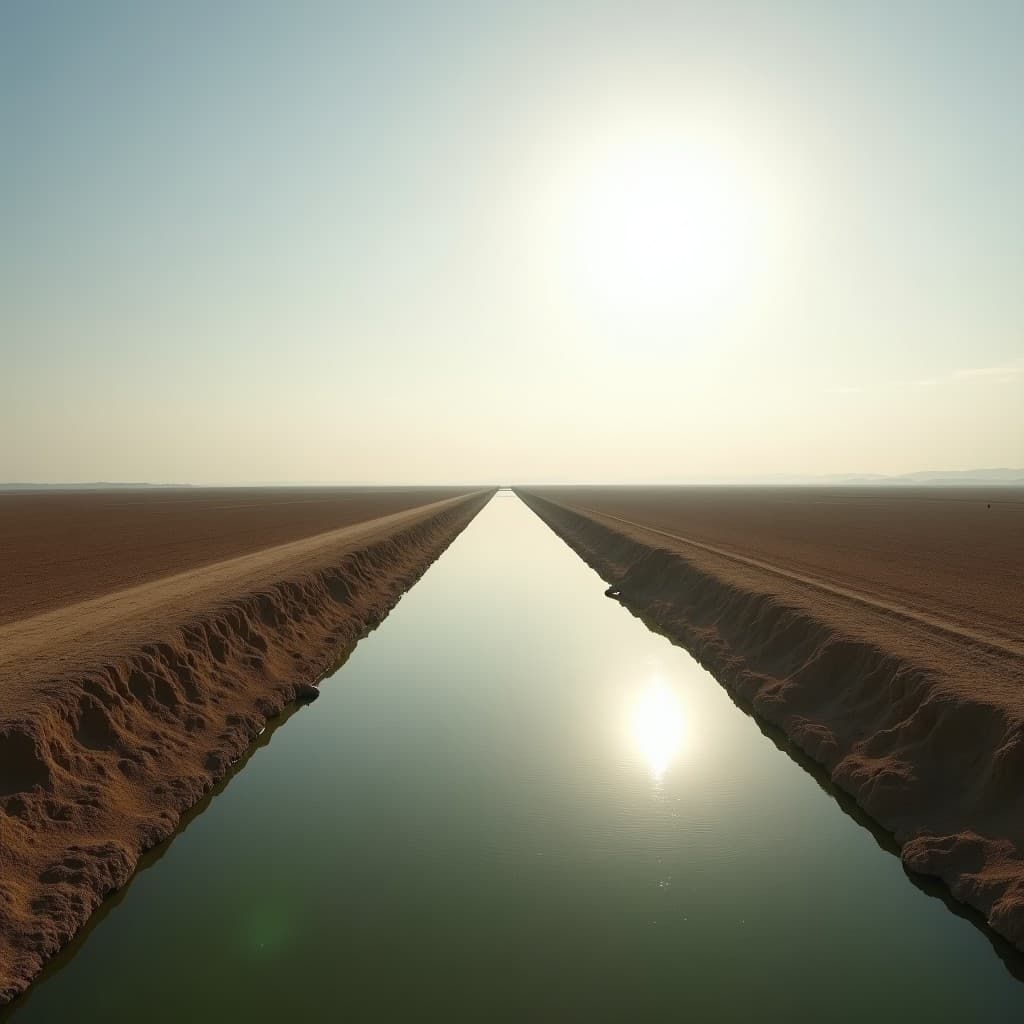
Italy's Pavia province, the heart of Europe's rice production, is experiencing acute water stress as an unusually early and intense heatwave has parched paddies across the Po Valley. According to The Local Italy, summer arrived ahead of schedule this year, leaving farmers like those in Pavia contending with depleted irrigation sources and weeds overrunning fields. The Po River Authority reported Friday that several northern Italian waterways are in a "critical state" due to drought, with forecasts offering little relief in the coming days.
The timing compounds existing economic fragility. Italy's 2025 GDP growth stood at 0.54 per cent, among the slowest in the eurozone, and unemployment remained elevated at 6.39 per cent. Agriculture, though a smaller share of output than in decades past, remains culturally and regionally significant, particularly in the north. Crop failures or reduced yields would ripple through rural economies already strained by demographic decline and youth emigration.
Climate stress is becoming structural. The heatwave of late June ranked among the worst recorded in European history, rivalling the catastrophic 2003 episode. Rome has now unveiled Piano Caldo, described as Italy's first comprehensive climate adaptation strategy, signalling official recognition that extreme heat is no longer episodic but chronic. Such measures, however, take years to yield results; farmers face immediate losses.
Water scarcity in the Po Valley is not merely an agricultural problem. The region supplies drinking water to millions and powers hydroelectric generation. As drought persists, energy costs may rise and industrial users may face rationing, adding pressure to an economy already burdened by a public debt of 77.3 per cent of GDP—among Europe's highest. The euro has weakened slightly against the dollar over the past month, from 1.164 to 1.145, which may offer some export relief but does nothing to offset domestic input costs.
The broader pattern is one of climate-driven scarcity meeting economic stagnation. Italy's inflation remains modest at 1.53 per cent, but that stability masks sectoral stress. Agricultural regions dependent on irrigation now face a choice between accepting lower yields or investing heavily in water infrastructure and drought-resistant crops—both costly in a low-growth environment. Without sustained policy intervention and investment, the drought threatens to accelerate the rural exodus already reshaping Italy's demographic map.