
SPORT
Italy's caretaker manager attacks 'scammers' as Azzurri rebuild after World Cup collapse
Baldini warns against unrealistic managerial targets as nation confronts failure to qualify for summer tournament
Tobia Marenghi1,198 wordsEdition №4Thursday, 4 June 2026 — Edition № 4
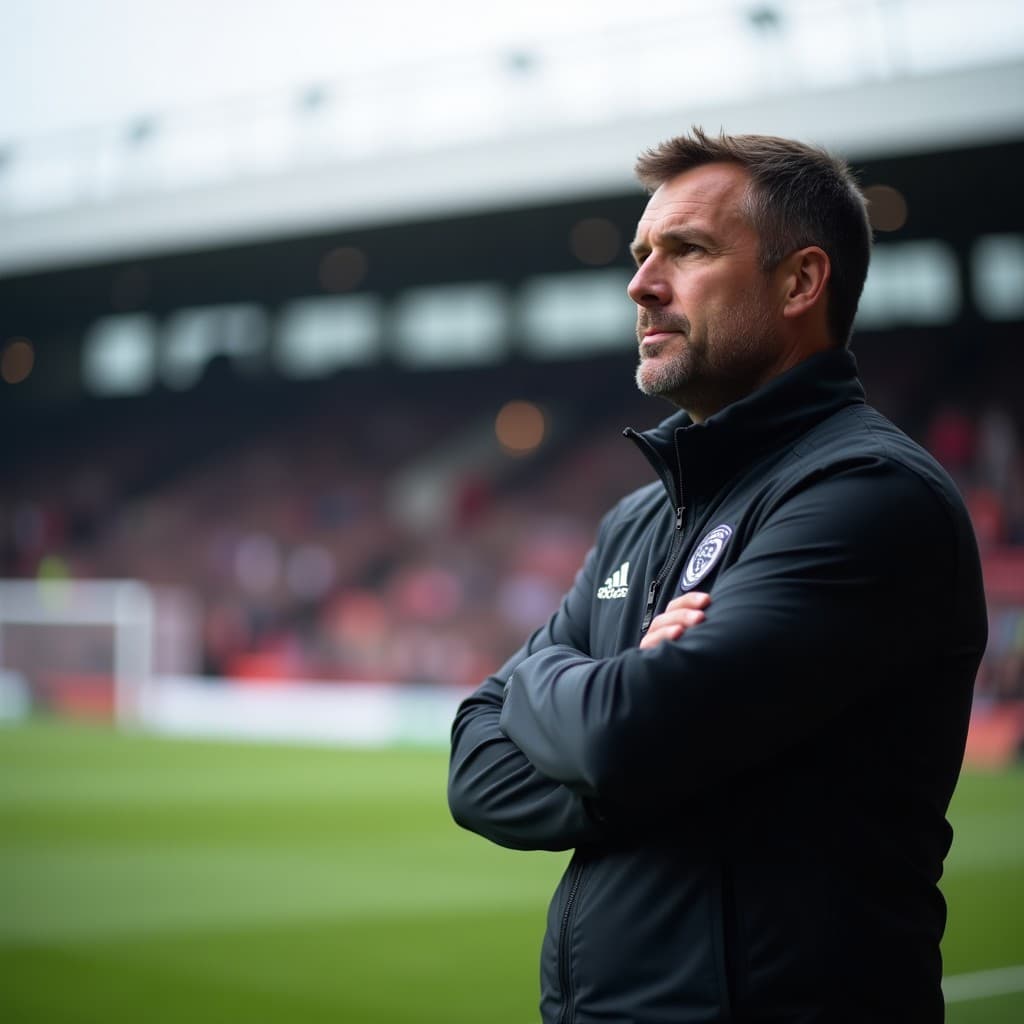
Italy's caretaker manager has taken aim at what he describes as 'scammers' in the football world while warning the nation to abandon dreams of hiring Pep Guardiola or Cesc Fabregas as permanent coach, according to FOX Sports. The comments came as the Azzurri met for the first time under the interim leadership following Italy's failure to qualify for the summer World Cup. The manager's blunt assessment reflects the depth of crisis facing Italian football after a humiliating elimination from the qualifying campaign.
The interim manager's criticism of unrealistic managerial targets suggests frustration with the gap between Italian football's ambitions and its current resources or appeal. The mention of Guardiola, the Manchester City manager widely regarded as one of the world's best, and Fabregas, the former Arsenal and Chelsea midfielder now involved in coaching, underscores the scale of Italy's aspirations. Yet the caretaker's dismissal of such possibilities indicates he believes the Italian federation must focus on more achievable solutions to its problems.
Italy's failure to qualify for the World Cup represents a catastrophic outcome for a nation with a rich football history and four World Cup titles to its name. The qualifying campaign's collapse has left Italian football searching for answers about what went wrong and how to rebuild. The interim manager's appointment suggests the federation is taking a measured approach, allowing time to assess the situation before committing to a permanent successor.
The caretaker manager's comments about 'scammers' destroying the nation's game point to deeper concerns about the state of Italian football beyond the immediate crisis of World Cup failure. His language suggests he believes the problems are systemic rather than merely the result of poor decision-making by a single coach or administration. The reference to scammers may indicate concerns about financial mismanagement, agent manipulation, or other forms of corruption within Italian football's structures.
Italy's absence from the World Cup represents only the second time since 1958 that the Azzurri have failed to qualify for the tournament. The previous failure came in 2018, when Italy also missed the World Cup in Russia. That absence led to a period of reflection and rebuilding under Roberto Mancini, who eventually guided Italy to victory at the 2020 European Championship. The current failure, coming just four years later, suggests that the improvements made after 2018 were not as durable as hoped.
The interim manager's warning against pursuing elite coaches like Guardiola reflects a realistic assessment of Italian football's current standing in the global game. Guardiola, with his track record of success at Barcelona, Bayern Munich, and Manchester City, would be among the most sought-after managers in world football. The suggestion that Italy might pursue him appears to have been circulating in some quarters, but the caretaker's dismissal of such possibilities indicates the federation must be more pragmatic about its options.
Fabregas, mentioned alongside Guardiola, has emerged as a younger coaching prospect after his playing career ended. His appointment as a manager would represent a different type of solution—bringing in a former elite player with recent experience in top-level football but without the extensive managerial track record of someone like Guardiola. The caretaker's reference to both names suggests that Italian football has been entertaining a range of possibilities, from the most ambitious to the moderately ambitious.
The timing of the interim manager's comments is significant. They come as Italy prepares to play matches under his leadership for the first time, providing an opportunity to assess the direction the team might take under temporary leadership. The caretaker role typically serves as a bridge between the departure of one permanent manager and the appointment of another, but it also allows the federation time to observe how the team responds to a change in approach.
Italian football's recent history suggests a pattern of crisis followed by reconstruction. The 2018 World Cup failure led to Mancini's appointment and the subsequent European Championship success. That success, however, was followed by disappointing performances in World Cup qualifying, culminating in the current failure. The cycle suggests that Italian football's problems may be more deeply rooted than individual managerial appointments can address.
The caretaker manager's focus on identifying systemic problems rather than pursuing marquee signings indicates a more analytical approach to the crisis. His willingness to speak bluntly about 'scammers' suggests he believes the Italian football establishment needs to confront uncomfortable truths about how the game is run at the highest levels. This approach may be more productive in the long term than simply replacing one manager with another.
From a financial perspective, Italian football's struggles have implications for broadcasting rights, sponsorship deals, and the commercial value of the national team. The absence from the World Cup reduces the revenue the Italian federation would have earned from tournament participation. The need to rebuild the team also comes at a time when Italian clubs in Serie A are competing for European honours, and the national team's struggles can affect the broader perception of Italian football globally.
The interim manager's appointment reflects the federation's decision to take time before committing to a permanent successor. This approach allows for a period of assessment and planning rather than making a hasty decision under pressure. The caretaker will have the opportunity to evaluate the squad, identify which players can be part of a future project, and provide the federation with insights into what changes might be necessary.
Italian football's relationship with elite foreign managers is complex. The country has a tradition of developing its own coaches, though it has also occasionally turned to foreigners when seeking a change of direction. The caretaker's dismissal of the possibility of hiring Guardiola or Fabregas suggests that the federation may be moving toward a more Italian-focused solution, either by promoting a coach from within the Italian system or by identifying a foreign manager with a more realistic profile.
The broader context of Italian sport also matters. While Italian football faces this crisis, other Italian sports have enjoyed recent success. Italian tennis has produced Sinner, the world No. 1, and Italian cycling remains competitive at the highest levels. The contrast between football's struggles and success in other sports may add pressure on the Italian federation to find a solution quickly.
The interim manager's role will be crucial in the coming weeks and months. His assessments of the squad, his observations about what needs to change, and his performance in matches will all inform the federation's decision about the permanent manager. The caretaker period is thus not merely a holding pattern but an active phase of diagnosis and planning for Italian football's future.