
CULTURA
Italy's red heat alerts strain summer cultural calendar
Nineteen cities on highest alert as festivals and museums adapt to extreme heat
Eleonora Vanzetti320 wordsEdition №66Monday, 3 August 2026 — Edition № 66
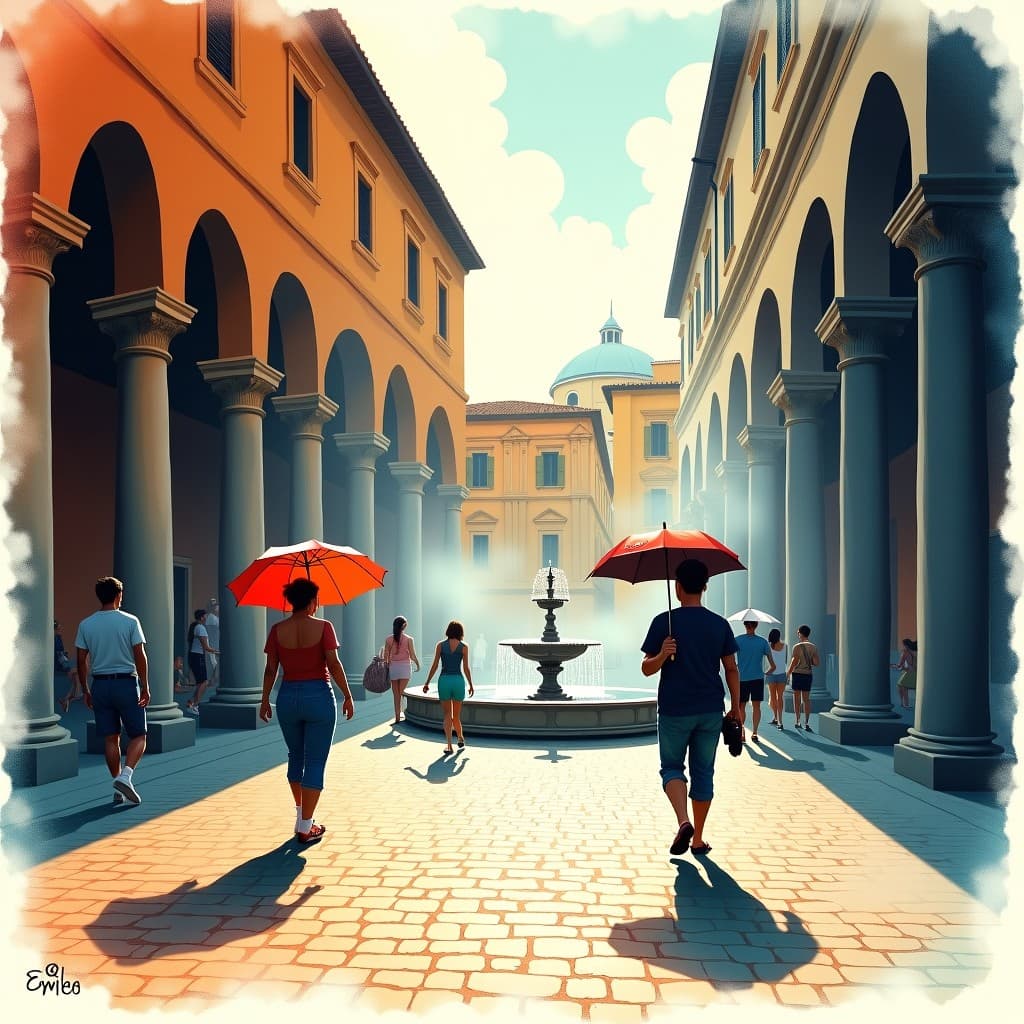
Italy is putting nearly all of its major cities on the highest 'red' alert for high temperatures, as a new heatwave grips the country, the BBC reports. Health officials say 19 cities from north to south — including the capital Rome, Milan, Venice and Naples — are already at red alert, and by Monday all but two cities will be.
The warnings come as the summer cultural season reaches its peak, with open-air opera, film screenings and museum queues traditionally drawing large crowds. Venice, which hosts the film festival later this month, is among the cities on red alert, raising questions about how organisers will manage outdoor events and visitor flows in extreme conditions.
The BBC's reporting notes the alerts are issued by health officials, with the highest level signalling a health risk for the entire population, not only vulnerable groups. The heatwave follows weeks of elevated temperatures across the Mediterranean, a pattern that foreign coverage has repeatedly linked to climate stress in the region.
For the cultural sector, the heat adds a layer of logistical pressure to a period already defined by mass tourism. Museums and galleries in Rome and Florence have in recent years adjusted opening hours during peak summer months, though the BBC's current reporting does not specify any such measures for this heatwave.
The festival circuit, particularly Venice's Biennale and film festival, draws international audiences whose expectations are shaped by the city's outdoor character. With red alerts in place, the practicalities of moving large numbers of visitors through piazzas, water buses and unshaded venues become a more acute concern, even if no specific cancellations have been reported in the wire.
The BBC notes that the alert system covers cities from north to south, indicating the breadth of the current heat event. For the culture desk, the story is less about a single cancellation and more about the ambient conditions under which Italy's summer cultural life now operates — a theme that foreign correspondents covering the country have returned to in recent summers.
As the heatwave is expected to persist into the week, the coming days will test how venues and festival organisers respond. The BBC's report does not include any official guidance for cultural institutions, but the red alerts themselves serve as a backdrop for a season that increasingly must plan around the weather.