
TRENTINO-ALTO ADIGE
Italy Puts Nearly All Major Cities on Highest Heat Alert
Red alerts for 19 cities as fresh heatwave grips the country from Monday
Klara Hofer420 wordsEdition №66Monday, 3 August 2026 — Edition № 66
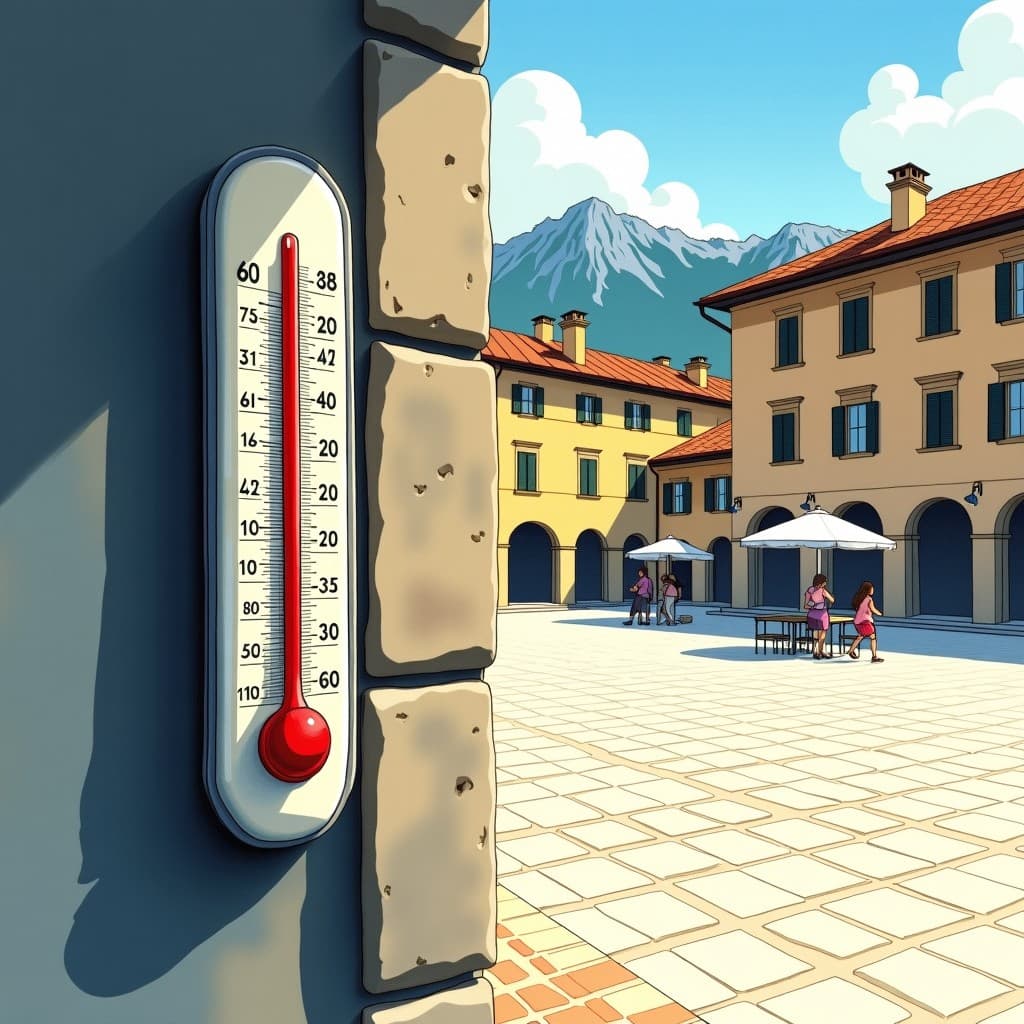
Italy is placing nearly all of its major cities under the highest alert for heat from Monday, as a fresh heatwave grips the country, authorities said on Saturday, according to The Local Italy. Some 19 major cities — including Rome, Milan and Naples — are already on red alert, and by Monday all but two will be, the BBC reported.
The red alert signals a serious health risk for the general population, not just the vulnerable, and typically triggers measures such as extended opening hours for cooling centres and advice to avoid outdoor activity during peak hours. The heatwave is part of a broader pattern across southern Europe, with the Guardian reporting that fire weather in the EU has broken records for severity for this time of year.
The alerts come as the country's summer season peaks, with millions of domestic and international travellers moving through cities and coastal areas. The heat is also straining infrastructure, from power grids to water supplies, though the cited reports focus primarily on the health warnings.
The Italian health ministry's alert system, which the foreign press has described in detail, uses a three-tier scale, with red being the highest level. The BBC noted that the current red alerts cover a broad geographic sweep, from the northern industrial hub of Milan to the southern port of Naples, reflecting a heat dome that has settled over much of the peninsula.
For Trentino-Alto Adige, the heatwave carries a particular significance: while valley floors, including Bolzano and Trento, often experience summer temperatures above 30°C, the region's economy and identity are tied to the Alps, where heat accelerates glacier melt and stresses high-altitude ecosystems. The Guardian's report on record fire weather across the EU noted that the hot, dry and windy conditions are 43% more severe than the average over the last 20 years, a trend that Alpine regions are not insulated from.
The regional administration has not issued specific local alerts according to the cited international sources, which focus on the major cities. However, the broader European pattern — with wildfires in France's Bordeaux region and record fire weather — underscores the pressure on rural and mountain areas as much as urban centres. For residents and visitors in the Dolomites, the practical advice remains the same as in the cities: hydrate, avoid exertion in the afternoon, and heed local warnings.
The heatwave is expected to persist into the coming week, with the BBC reporting that the red alerts will expand to cover all but two of the 19 listed cities by Monday. The situation is being monitored by health authorities across the country, and the foreign press has emphasised that the current conditions are not a temporary anomaly but part of a warming trend that is making extreme heat more frequent and severe.