
CALABRIA
Italy suspends Schengen with Spain as Ceuta crisis deepens
Rome tightens border checks after 60,000 migrants reach the Spanish enclave, testing EU solidarity
Saverio Gallo380 wordsEdition №66Monday, 3 August 2026 — Edition № 66
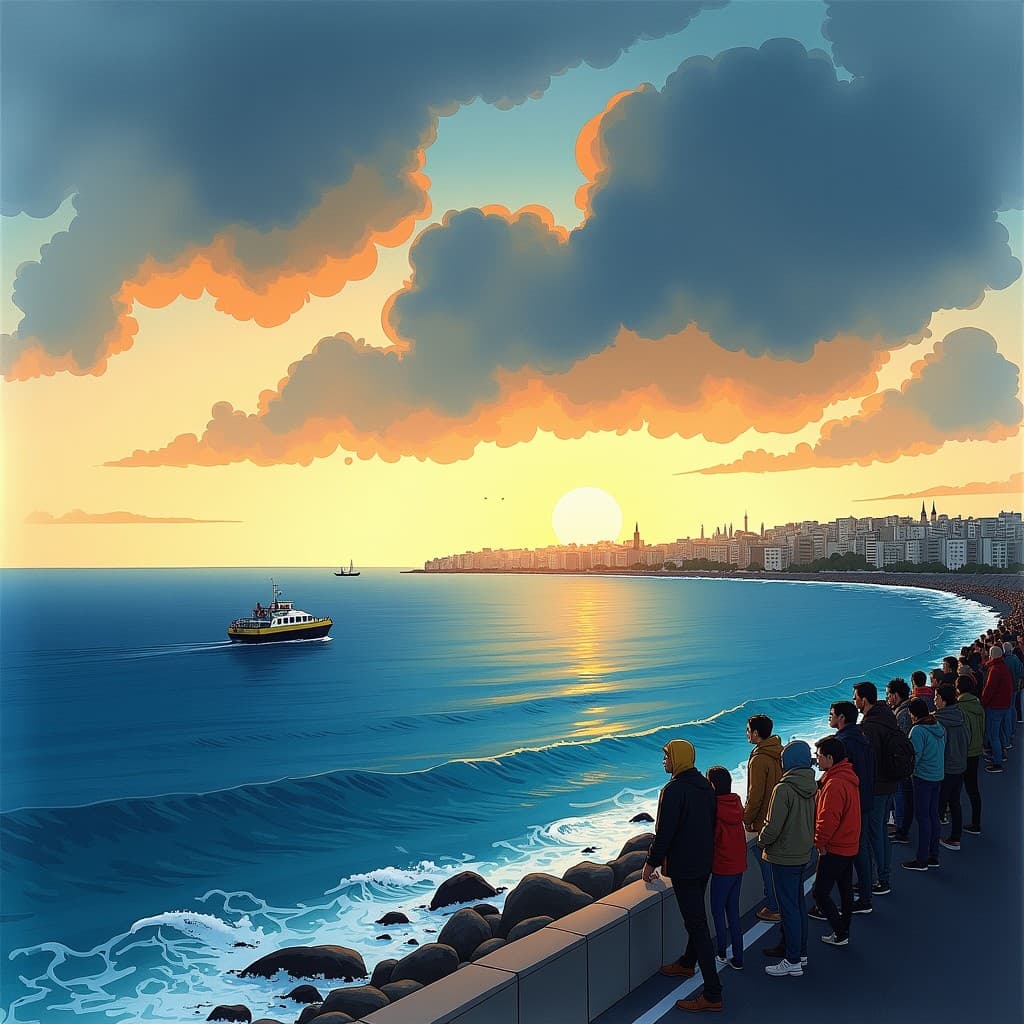
Italy said on Friday it had suspended its Schengen agreement with Spain, following the influx of tens of thousands of migrants into Madrid's Ceuta enclave in North Africa. The measure will impact people travelling by plane or boat between the two countries, according to The Guardian's live coverage of the crisis.
The decision came as the European Union faced one of its largest migrant crises in recent years, with about 60,000 people entering the Spanish enclave in a matter of days. France 24 reported that at least 67 people had died during the influx, while The Guardian cited Spanish Prime Minister Pedro Sánchez decrying a 'violation of territorial integrity.'
Spain and Morocco reinforced the border fence of the enclave on Friday and appeared to have halted mass crossings, after around 49,000 people breached the frontier, according to Reuters reporting carried by HuffPost. The crisis has caused division within Europe, with Italy's threat to suspend the EU's internal open border scheme now apparently carried out.
The suspension is a significant test for the Schengen area, the passport-free travel zone that underpins European integration. The Local Italy reported that several EU countries have called for emergency talks on the sudden inflow, and there has been debate over whether a member state can be kicked out of the zone entirely. Italy's move, however, is a bilateral suspension, a step it has taken before during periods of migration pressure.
For Calabria, the crisis carries a particular resonance. This region, on the Mediterranean's central route, has long been a landing point for migrants crossing from North Africa, and it has seen the ebb and flow of European border politics first-hand. The suspension with Spain does not directly affect routes through Calabria, but it signals a hardening of borders across the bloc that migration analysts and foreign observers say could reshape how the EU manages its southern frontier.
France has also tightened border checks and increased police numbers at its Spanish border, according to France 24. The broader picture, as The Guardian reported, is of an EU struggling to respond collectively, with Spain's Prime Minister visiting Ceuta and meeting local officials while other member states criticise Madrid's handling of the situation.
The humanitarian toll is mounting: at least 57 people have died trying to reach Ceuta, and the Spanish government has deployed the military to restore order. Italy's suspension, while framed as a protective measure, raises questions about the future of Schengen and the solidarity of member states in the face of migration — a debate that will be watched closely from Calabria, where the consequences of European border policy are felt directly on its shores.